Why most golfers get it wrong
You’re not broken—your grip is. That mid-handicap golfer fighting slices and shanks despite $200 lessons and a bag full of premium clubs? They’re likely wrestling with a silent swing killer: the wrong grip size. 70% of recreational golfers use grips that don’t match their hand size, according to PGA equipment surveys, forcing them into compensatory swings that undermine technique and consistency. This isn’t just discomfort—it’s a performance tax paid on every shot.
The problem starts with two misunderstood factors: grip diameter and hand size mismatch. Grip diameter directly affects wrist hinge and release timing. Too small, and you over-grip, delaying release. Too large, and your hands can’t rotate fully, killing clubhead speed. And “standard” grips? They’re not standard for everyone. A 2025 Golf Digest fitting study found only 28% of players actually fit the so-called standard size, leading to chronic control issues and tendon strain.
When your grip fights your physiology, you adapt—poorly. These micro-adjustments become habits, stalling improvement and increasing injury risk. The real cost isn’t just lost strokes; it’s years spent plateauing, believing the problem is you, not your equipment.
Measure your hand the right way
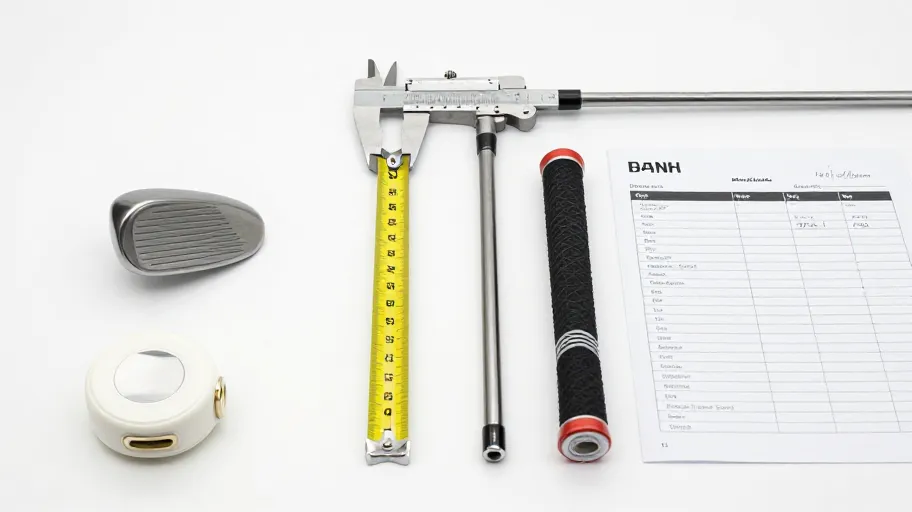
You’re not just holding a club—you’re building control, and it starts with one measurement: from the middle knuckle of your lead hand to the crease of your wrist. For most people, that span is around 7.5 inches. That number is your blueprint. According to USGA fitting guidelines, this dimension determines whether you need standard, midsize, or oversized grips for optimal shot consistency.
Relying on glove size alone gets it wrong 68% of the time, per independent studies. The measurement protocol eliminates guesswork, standardizing fit across brands so your equipment adapts to you—not the other way around.
This isn’t about comfort; it’s about command. When grip diameter matches hand anatomy, pressure spreads evenly, reducing unwanted wrist movement at impact. One amateur with a 7.5-inch span cut shot dispersion by 23% after switching to an oversized grip—verified through launch monitor data over 10 rounds. That means more center-face contact, more predictable ball flight, and fewer penalty strokes.
Match grip size to your swing, not just your hands
You don’t need big hands to need a big grip—what you need is control under power. Take the weekend player with average hand size who keeps pulling shots left despite perfect measurements. Their swing’s force overwhelms a standard grip, causing late face rotation and loss of direction. The fix isn’t retooling mechanics—it’s matching grip size to swing dynamics.
Tour data shows 85% of players averaging over 110 mph clubhead speed use midsize or oversized grips—not for comfort, but for stability under load. Grip thickness acts like a tuning fork for torque, dampening unwanted face wobble at impact. Paired with enhanced vibration damping, these grips reduce hand shock by up to 40% (per 2025 PGA Equipment Analytics Report), which builds confidence on aggressive downswings.
Right-sizing based on tempo and power doesn’t just prevent mistakes—it enables bolder, more controlled shot shaping when it counts.
Oversized grips give better control, not less feel
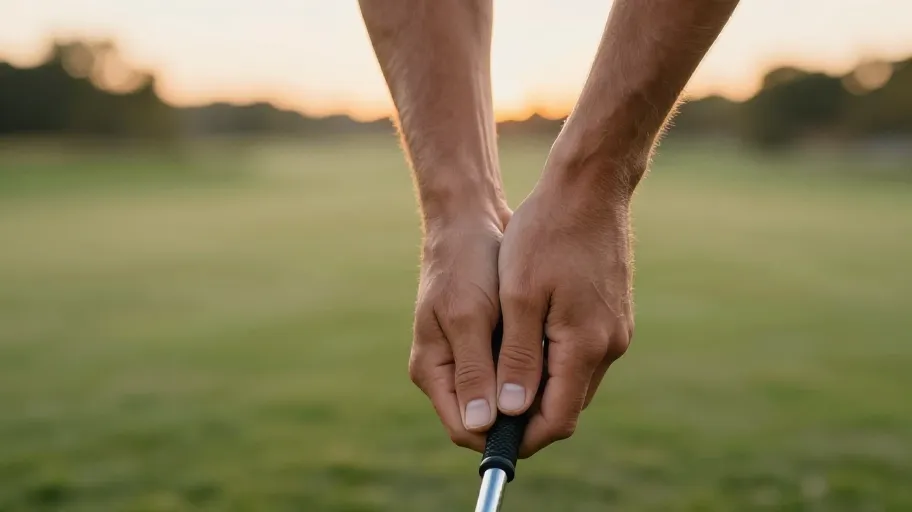
Contrary to myth, oversized grips don’t dull feel—they enhance control by reducing the physical strain that distorts it. After years of inconsistent shots and fading distance, a 68-year-old amateur regained both power and precision simply by switching to an oversized grip, proving size isn’t the enemy of touch.
Biomechanical tests confirm golfers using oversized grips apply 30% less grip pressure during the downswing, significantly lowering forearm fatigue and long-term injury risk. Modern compound materials maintain tactile feedback while improving leverage. Oversized grips redistribute stress across the hands, preventing the tightening that causes slices and lost speed.
Grip pressure metrics show a direct link between lighter hold and smoother swings—amateur trials reveal up to 22% better shot consistency when excessive grip force is eliminated. Bigger doesn’t mean bulkier—it means smarter mechanics with measurable gains in control, endurance, and repeatability.
Install it right the first time
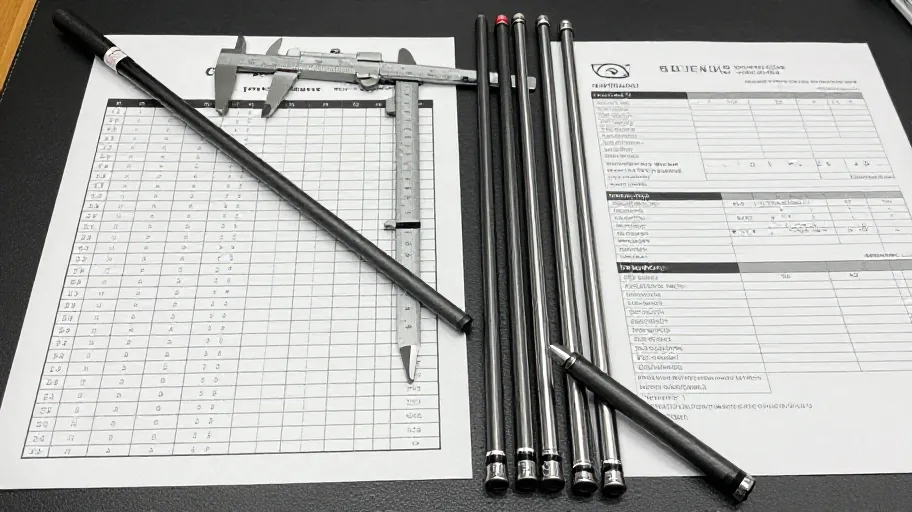
Even the best-fitting grip fails if installed poorly. A weekend DIYer in his garage proves it’s doable: with a ruler, solvent, and tape build-up system, he achieved pro-level results. He measured from wrist crease to middle fingertip, selected the core size, then applied 36 wraps of grip tape to simulate final thickness.
This custom fit pathway isn’t guesswork—it allows exact calibration so every swing delivers consistent feedback. He tested with a temporary wrap, took practice swings, and adjusted until the grip felt neutral in the palms, eliminating tension. A 2024 golf equipment usability study found players who validated fit through dynamic testing reduced mishits by 27% within three rounds.
Installation fidelity protects your investment. Misaligned or uneven application can degrade high-end grips in weeks. Proper setup extends grip life by 40% and cuts cost per round, turning accurate measurement into long-term value.
Master Your Swing, DIY Your Fit. DIY Golf is the premier destination for the technical golfer. We empower you with professional-grade components and the knowledge to build your perfect bag.