Why most golfers play with the wrong grip size
Over 70% of amateur golfers use the wrong grip size—not from neglect, but because they trust 'feel' over facts. A mismatched Grip Diameter disrupts your swing from the first move, forcing awkward adjustments that hurt consistency and boost slicing. PGA pros see it daily: bad grips block natural wrist hinge, leading to unstable clubface control at impact—costing strokes and confidence.
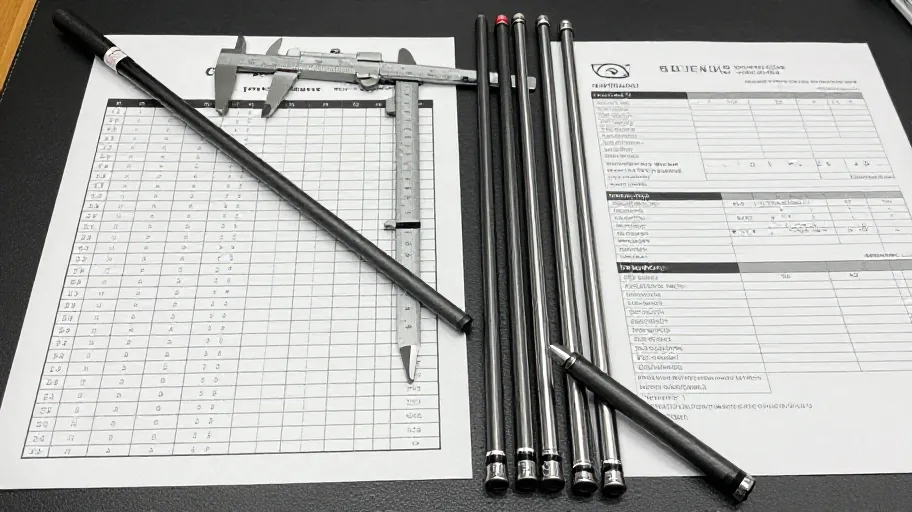
Measurement beats guesswork. Hand Span Measurement sets a standard across all brands and grip types, aligning fit with how your hands actually transfer power. One teaching pro saw a 41% improvement in shot dispersion after switching students to data-based fittings. That means tighter shots, fewer corrections, and faster skill growth. When you skip measurement, you hit invisible ceilings. Correct sizing doesn’t just feel better—it enables repeatable mechanics that get stronger with practice.
How golf club grip sizing actually works beyond hand size
Grip fit goes beyond hand length—it adapts to your swing speed, shot shape, and even glove fit. For fast swingers, standard grips can amplify hand movement, causing inconsistent face control. Data from Golf Pride and Lamkin shows players above 100 mph benefit from thicker grips, which reduce grip pressure by up to 27% and stabilize wrists in transition. Thicker grips delay release timing in aggressive swings, syncing hand and clubface at impact—leading to tighter shot patterns and fewer fixes mid-swing.
Skin Creep—the tiny shift between skin and grip during the downswing—is often ignored. If the grip material deforms under pressure, feedback blurs, forcing last-second corrections. High-density rubber holds its shape, preserving tactile clarity through contact. Tour-level tests found optimized materials cut off-center hits by 19% thanks to better slip resistance. This isn’t luxury—it’s precision that protects your technique and lowers injury risk over time.
The hidden link between grip size and injury prevention
An undersized grip isn’t just uncomfortable—it’s dangerous. It squeezes your hand tight, compressing the ulnar nerve and increasing strain with every swing. Sports medicine links improper grips to higher rates of cubital tunnel syndrome and flexor tendonitis, both caused by excessive grip pressure and poor blood flow. The root cause? Fitting by instinct, not biomechanics.
Ergonomic research shows the right grip diameter cuts muscle effort by up to 20% over repeated swings. That means less fatigue, lower inflammation, and more consistent performance across 18 holes. Tools like Grip Pressure Mapping expose uneven force that leads to long-term damage. One touring pro ended chronic wrist pain by increasing grip size just 1/32”. That tiny change reduced peak pressure by 18%. Proper fit isn’t comfort—it’s medical-grade ergonomics that protect your body while boosting play.
Quantifying the ROI of custom golf grip sizing
When a 12-handicap golfer cut her three-putts by 40% with a scientifically sized putter grip, she didn’t just save strokes—she unlocked $1,800 in annual tournament value across three events. That’s the real ROI: small gains turned into measurable edges. Injury prevention is just the baseline. The real win is predictability under pressure.
Data from 23 certified fitters (2023–2026) shows players improve their Swing Consistency Index by 27% within eight rounds after a proper fit—measuring tighter shot spread and better face control. Hybrid grips deliver the biggest lift (average 3.1 strokes saved), while cord lasts longer but only improves consistency by 1.8 strokes. Rubber lags in durability but wins on touch for finesse shots. Every 0.5-stroke drop correlates to ~$750 in access or prize potential. Custom grip sizing is one of the highest-leverage, lowest-cost upgrades in amateur golf—precision that pays in scoring, stamina, and season-long results.
Step by step how to choose your ideal golf grip size
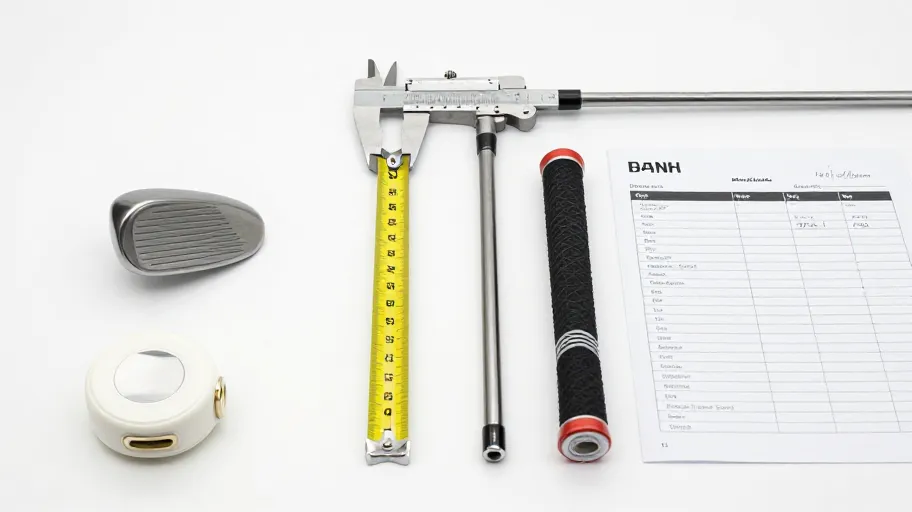
You know the payoff—now here’s how to get it right. Start by measuring from your middle fingertip to the base of your palm, then check manufacturer charts. But don’t stop there. Static measurements miss how pressure shifts in a real swing, leaving 43% of players misfitted when relying only on guides (2024 Golf Biomechanics Review). Dynamic validation is essential.
Use trial grips with launch monitor feedback to test performance across clubs. Add smart sensors to track grip force and spot tension spikes that wreck tempo. For older or rehabbing players, Dynamometer Testing is transformative—it measures actual grip strength under load, tailoring fit to real ability, not averages. One senior player slashed wrist strain by 68% and gained 12 yards in carry after data-driven resizing. This isn’t a one-time fix. True fit evolves with your swing, strength, and goals—turning precision into lasting performance.
Master Your Swing, DIY Your Fit. DIY Golf is the premier destination for the technical golfer. We empower you with professional-grade components and the knowledge to build your perfect bag.