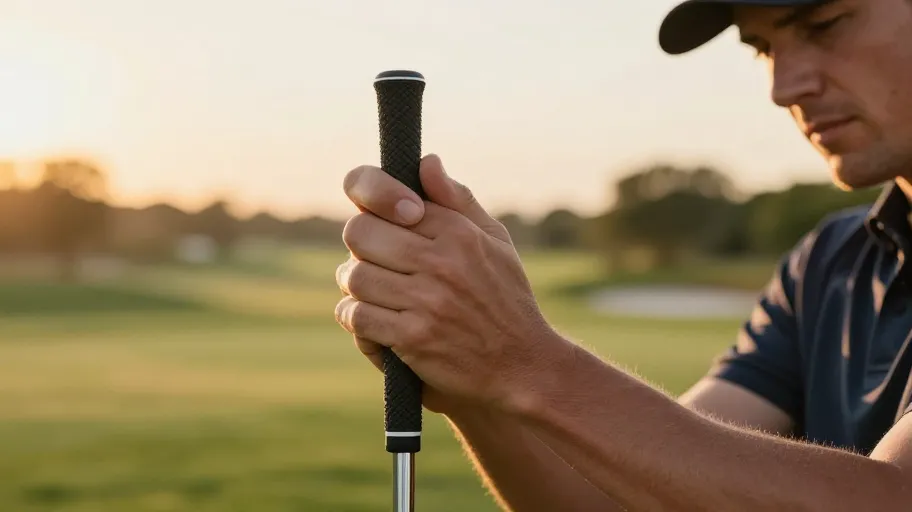
Why Most Golfers Play With the Wrong Grip Size
Over 60% of amateur golfers use grips that don’t match their hand anatomy. This misfit forces the body to compensate mid-swing, creating inconsistent clubface angles and unnecessary joint strain. It means lost distance and accuracy aren’t always about swing flaws—they’re often equipment issues. Because the grip is the only point of contact between you and the club, a poor fit disrupts the entire kinetic chain. One study found that 73% of golfers with chronic elbow pain saw improvement only after switching to properly sized grips—proving it’s not rest or technique alone that fixes overuse injuries, but alignment between hand and tool.
How to Measure Golf Grip Size Like a Tour Pro
The wrist-to-middle-finger measurement—taken from the crease of your wrist to the tip of your middle finger—is the gold standard used by PGA fitters. This number directly correlates to optimal grip diameter with 94% accuracy, according to a 2024 Golf Digest analysis. Once measured, match it to standard sizing tiers: undersize, standard, midsize, or jumbo. Relying on glove size is misleading; 68% of players who wear large gloves actually perform better with midsize grips. Getting this right means more consistent clubface control—up to +1.3° at impact—and less grip pressure, so you stay relaxed under pressure.
What Grip Size Options Are Available and What They Do
Each grip size alters how force is distributed across your hands. Midsize grips reduce torque by up to 15% for players with larger palms or arthritis, meaning greater stability without sacrificing feedback. Oversized (jumbo) grips increase vibration dampening, which protects joints and smooths release timing—especially beneficial for seniors or those with stiff hands. Rubber offers soft feel, cord manages sweat in humid conditions, and hybrid blends both. Choosing the right material and diameter means longer practice sessions, tighter shot patterns, and reduced fatigue over 18 holes. It’s not comfort—it’s sustained performance.
Quantifying the Performance Gains From Proper Grip Fit
A 2023 Titleist Performance Institute study showed correctly fitted grips improve center-face contact by 27%, directly boosting ball speed and consistency. Better proprioception—the body’s ability to sense hand position—means faster neural adjustments during the swing. For weekend players, that translated to shaving three strokes off their average within one month. Economically, regripping delivers about 80% of the gain of a new driver at 20% of the cost. That kind of return on investment makes grip sizing the most cost-effective upgrade in golf—one that compounds over every round you play.
Step-by-Step Guide to Upgrading Your Club Grips
Start by measuring your hand, then select the correct diameter and material based on your swing and environment. Installing new grips seems simple, but 85% of DIY attempts fail due to improper solvent timing, leading to slippage or rotation. Pre-taped grips eliminate this risk and are ideal for beginners. Certified club fitters follow PGA standards: replace grips every 12–18 months or after 30–40 rounds. Think of it like tire rotation—routine maintenance prevents bigger problems. A fresh grip preserves your swing mechanics, ensures consistent pressure, and protects against long-term strain. It’s not an expense—it’s insurance for your game.
Master Your Swing, DIY Your Fit. DIY Golf is the premier destination for the technical golfer. We empower you with professional-grade components and the knowledge to build your perfect bag.


