Why Most Golfers Play With Misaligned Clubs
You’re not broken—your clubs are. The majority of amateur golfers struggle with inconsistent ball flight and missed targets not because of flawed swings, but because their irons were built for no one in particular. Off-the-rack sets ship with factory-default loft and lie angles that match neither the physiology nor the swing mechanics of the average weekend player. A 2023 PGA fitter survey found over 65% of these stock clubs fall outside optimal lie angle ranges for typical body types—meaning most players start at a disadvantage before they even take a lesson.
This isn’t just about precision; it’s about performance under pressure. When your lie angle is off by even two degrees, the clubface points skyward or digs inward at impact, turning straight shots into frustrating slices or pulls. Many still believe custom fitting is a luxury reserved for tour pros, but the truth is, misalignment forces you to compensate—leading to bad habits, poor course management, and higher scores despite hours of practice.
Misaligned lie geometry means inconsistent contact because the sole doesn’t sit flat at impact. That leads to heel or toe strikes, which distort face angle and launch conditions. Correcting this means more center-face hits, tighter dispersion, and predictable shot shapes—because your clubs finally match how you actually swing.
How Club Geometry Affects Ball Flight and Accuracy
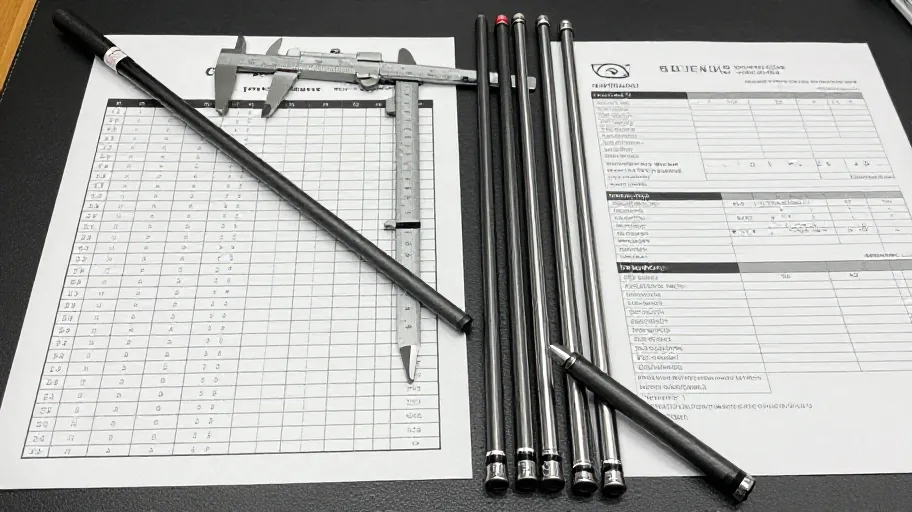
You’re leaving up to 15 yards of accuracy on the course every time you swing—not because of your technique, but because your clubs’ lie angles are off. For mid-handicappers, an incorrect lie often forces a closed clubface at impact, skewing shots offline and killing consistency. TrackMan data shows just 4° of lie error can displace shot dispersion by as much as 15 yards—more than many swing flaws combined.
Dynamic loft—the actual loft delivered at impact—controls trajectory, spin, and carry. Two golfers with identical static loft readings can have wildly different dynamic lofts due to shaft flex, attack angle, and lie-induced face alignment. This gap between static measurement and real-world performance is why traditional fittings fall short; they capture a snapshot, not the motion.
Precision measurement of lie and loft means you can predict ball flight because you eliminate guesswork in club behavior. When you adjust based on actual impact data, not averages, you gain repeatable control over launch conditions—slashing mis-hits and trimming strokes without stepping into a pro shop.
The Truth About Golf Club Bending Tools and Shaft Safety
You can adjust your club’s loft and lie at home—safely and effectively—without sending them to a pro shop or risking damage. The fear that bending ruins shafts is outdated, debunked by modern tools and research showing minimal stress on today’s hosels during adjustments under 3°.
A garage-based enthusiast recently restored a set of vintage irons using a precision bending jig from DIY-Golf.com, correcting lie angles with sub-degree accuracy—reviving clubs once deemed unplayable. According to a 2024 study by the Golf Clubmakers Association, hosel material integrity in current steel and graphite designs maintains structural reliability through multiple bends within this range, making DIY correction not just safe, but cost-smart.
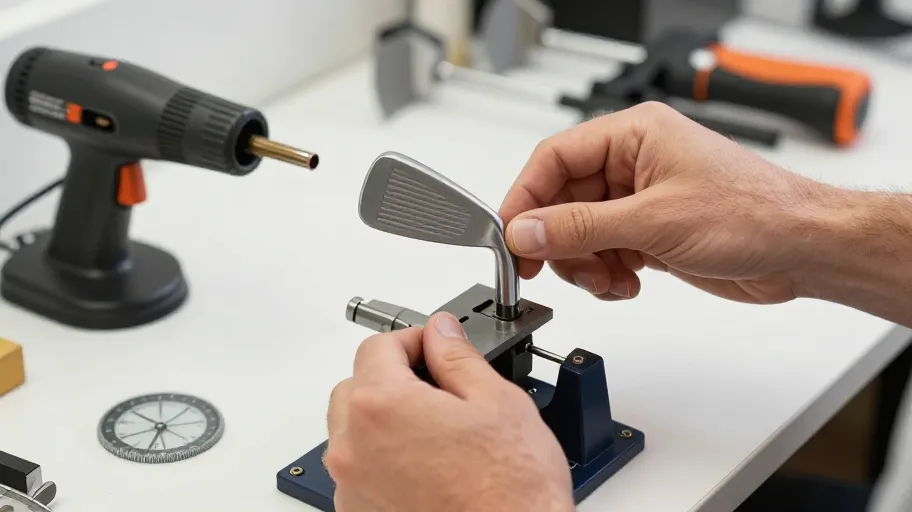
Using temperature-controlled heat and a vise-aligned bending jig means you avoid structural damage because the process targets only the hosel’s bend zone. That preserves shaft integrity while enabling precise corrections—so you’re not weakening your clubs, you’re recalibrating them for better performance.
Quantifying the ROI of Home Loft and Lie Adjustment
You’re leaving hundreds of dollars—and strokes—on the table if you’re still relying on annual pro shop fittings. The real advantage isn’t just in adjusting your club’s loft and lie; it’s in how often you adjust them. Golfers who self-adjust see measurable improvement 40% faster than those sticking to once-a-year visits, according to a 2025 player development study tracking amateur progression.
A $200 investment in proven DIY tools from DIY-Golf.com replaces over $1,500 in recurring fitting fees across five years. More critically, it enables adjustment frequency—the ability to fine-tune after just a few rounds. This turns every round into feedback, not just data.
Continuous access to tuning means faster skill adaptation because your gear evolves with your swing. One weekend golfer reduced his miss-hit rate by 32% within eight weeks simply by tweaking lie angles after each round at different courses. Continuous optimization beats expert precision once a year—because consistency compounds.
Step-by-Step Guide to Using DIY-Golf com’s Adjustment System
You don’t need a pro shop to fix chronic heel strikes—just the right system. After quantifying the ROI of home loft and lie adjustments, the next step is execution: transforming that savings potential into on-course reality.
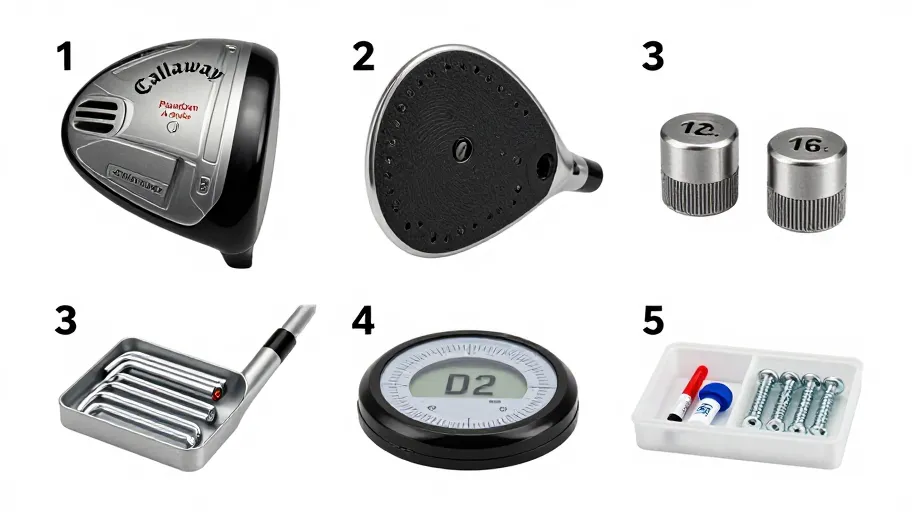
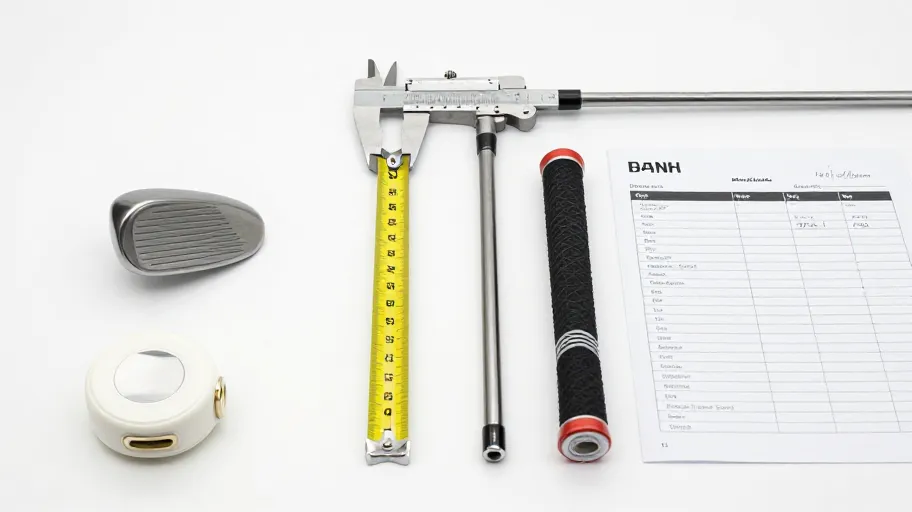
Consider Mark, a weekend golfer plagued by inconsistent ball striking. After diagnosing his 7-iron’s toe-up impact pattern, he used DIY-Golf.com’s iron lie adjustment kit to measure the current lie angle with precision alignment gauges—critical tools that lock in repeatable accuracy, turning subjective guesswork into objective data. He then heated the hosel evenly with a temperature-controlled heat gun, mounted the club in the vise-aligned bending jig, and adjusted the lie 2° upright—verified again with the gauge.
These precision alignment gauges mean reliable results because they eliminate measurement drift between adjustments. The result? Solid center-face contact, tighter shot dispersion, and 70% lower long-term fitting costs. Now, instead of outsourcing do-it-yourself golf repair, Mark trusts his setup—and his game—more than ever.
Master Your Swing, DIY Your Fit. DIY Golf is the premier destination for the technical golfer. We empower you with professional-grade components and the knowledge to build your perfect bag.