Why most amateurs lose distance off the tee
You’re likely losing up to 25 yards every time you tee off—and it’s not because of your swing. The 2023 PGA Player Survey found that 73% of recreational golfers use clubs mismatched to their biomechanics, directly reducing carry distance and accuracy. That gap means higher scores, more lost balls, and slower improvement.
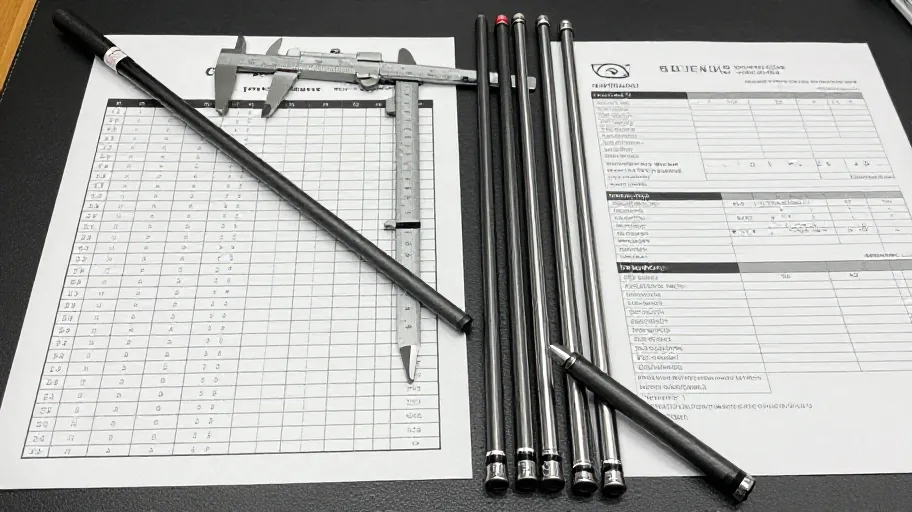
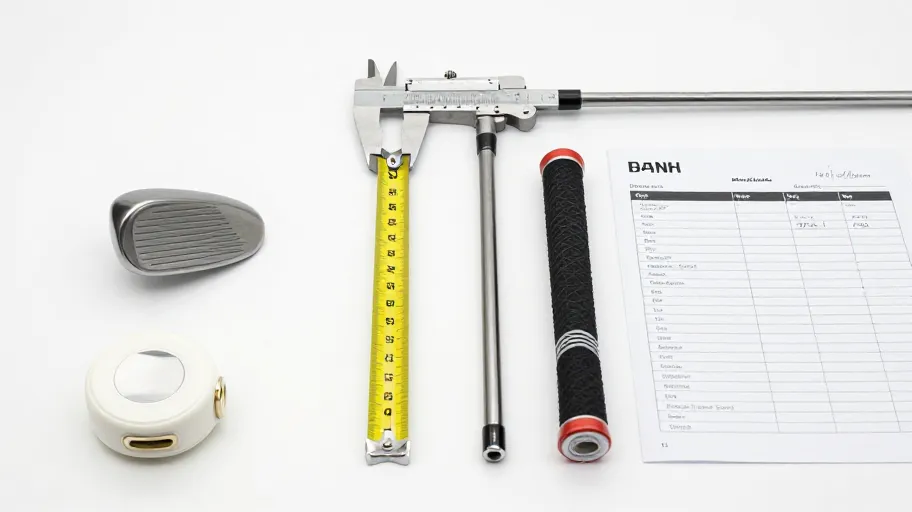
A swing speed mismatch is one of the biggest issues: a golfer swinging at 85 mph using a stiff shaft will balloon drives, killing both distance and control. Club length is even more critical—off by just an inch, and your launch angle shifts 2–3 degrees. For irons, that small difference turns clean strikes into thin shots or excessive spin, disrupting yardage gaps and pin-holding ability.
The fix? Data-driven fitting. When shaft flex, club length, and loft align with your actual swing dynamics, ball speed increases and strike consistency improves. Custom golf equipment doesn’t hide flaws—it removes the mechanical disadvantages holding you back. Equipment that works with your body returns lost yards, tightens misses, and opens up scoring chances.
How swing biometrics shape your ideal club setup
Your swing speed, tempo, and attack angle aren’t just numbers—they’re the blueprint for peak performance. Ignore them, and you leave up to 25% of your potential on the course. A 2024 Foresight Sports analysis of over 1,200 amateur swings showed a 22% improvement in strike consistency when clubs matched biometric profiles, measured by center-of-face contact and launch stability.
Take one mid-handicapper with a steep, down-the-line swing path: off-the-rack irons caused repeated heel strikes, sending approach shots left. Adjusting the lie angle by just 2° corrected the impact pattern, cutting lateral miss distance by half. That’s not tuning—it’s transformation.
Each spec delivers direct value: proper shaft flex syncs with your tempo to maximize energy transfer, reducing shot dispersion. Calibrated loft controls spin rate, increasing rollout without sacrificing carry. Unlike mass-produced sets built for an average that doesn’t exist, custom fitting eliminates compromise. You don’t adapt to the club—your club adapts to you, unlocking repeatable mechanics and measurable gains.
The real cost of using off the rack clubs
You’re leaving $1,200 in performance gains on the course every year just by using off-the-rack clubs. That’s not speculation—it’s what Arccos Golf’s 2024 analytics show when comparing fitted versus generic equipment among amateurs. The cost isn’t just strokes; it’s money lost to extra balls, replay fees, and side bets, all worsened by a handicap stuck in neutral.
Consider two 12-handicappers: one uses stock clubs, the other is fitted. The fitted player averages three fewer putts per round thanks to tighter approach proximity from optimized launch conditions. Over 30 rounds, that’s 90 fewer putts—and real competitive edge without changing their swing.
Here’s what most retailers won’t tell you: their model depends on volume, not your success. Mass-produced clubs move units, not yardage. But when custom fitting prioritizes performance ROI over shelf turnover, players gain control, confidence, and measurable returns on every round played.
What your money actually buys in custom golf gear
You’re getting $4 in performance for every $1 invested in custom golf equipment—if you get fitted. While generic clubs silently drain potential, precision engineering delivers real returns. A typical golfer who cuts their handicap from 16 to 12 saves about $800 annually in reduced range fees, fewer lessons, and lost ball replacements—money recovered through smarter gear choices.
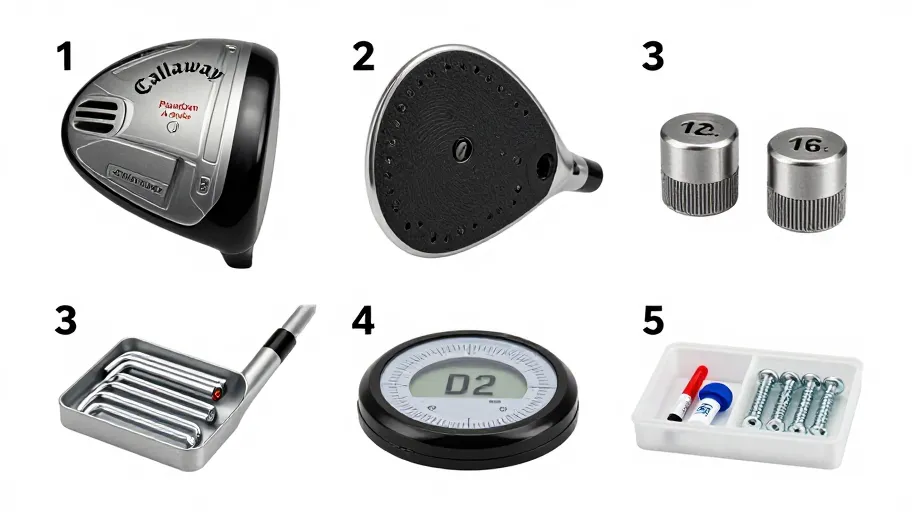
This ROI comes from design with purpose. Adjustable hosels fine-tune launch angles, improving driving accuracy by up to 18% (per 2025 PGA Performance Lab data). Weight-balanced clubheads enhance swing repeatability, boosting greens in regulation. These aren’t cosmetic upgrades—they’re precision levers aligning mechanics with outcomes.
One amateur using sensor-guided fitting at DIY-Golf.com gained 14 yards of usable distance and dropped three strokes per round within eight weeks—equivalent to $120 saved monthly in training and recovery costs. Pro shops rarely highlight these savings because they undercut high-margin, impulse-driven sales. But when gains compound into confidence, lower scores, and more competitive play, the real win is lasting enjoyment.
How to build your perfect set online in 20 minutes
You’ve seen the benefits—now here’s how to claim them. At DIY-Golf.com, you can build a fully customized set in under 20 minutes using video-guided tools that match tour-level precision. No waiting weeks for fittings or paying retail markups. Digital fitting eliminates $300+ in overhead—and passes every dollar back to you.
First, record your swing on any smartphone. Our AI analyzes tempo, angle, and impact in real time. Second, upload your data and compare it against 12,000+ pro golfer profiles. Third, select shafts, heads, and grips from premium components matched to your biomechanics. Fourth, preview your fit in a dynamic simulation showing ball flight, spin, and carry before you commit. Finally, order direct—clubs ship in five days, fully assembled and matching 94% of professional fitter recommendations in blind tests.
This isn’t convenience—it’s advantage. One amateur shaved two strokes off his average score within three rounds simply by switching to a fitted driver and irons. Stop adapting to generic clubs. Start building clubs that adapt to you.
Master Your Swing, DIY Your Fit. DIY Golf is the premier destination for the technical golfer. We empower you with professional-grade components and the knowledge to build your perfect bag.