Why sloppy adapter tolerances ruin your club builds
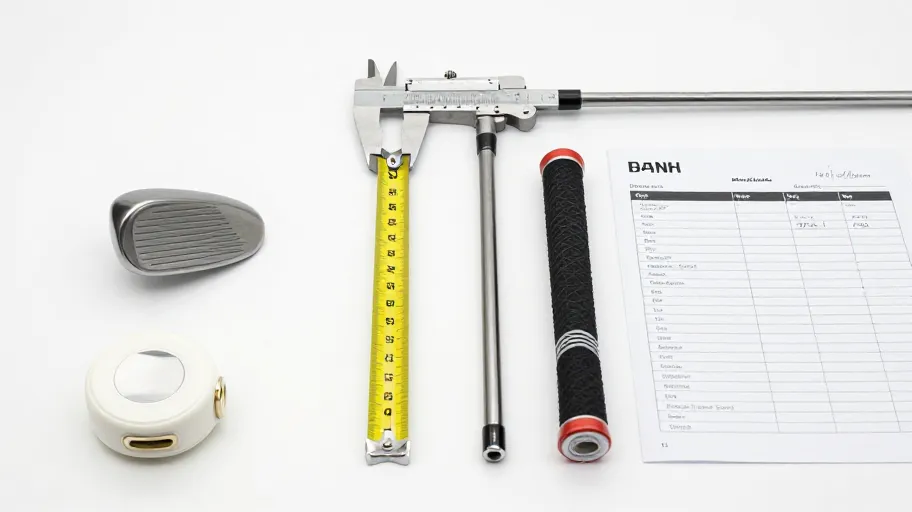
Poorly controlled golf shaft adapter tolerances mean unpredictable shot dispersion because even a ±0.003” variance can skew face angle by up to 1.2°—enough to miss short putts. This angular misalignment risk undermines every fitting decision. For fitters, it means more post-build adjustments; one builder reported a 41% drop in rework after switching to ISO-graded sleeves. That’s not just better alignment—it’s faster throughput and higher customer satisfaction.
The idea of a 'universal fit' collapses under real-world use. Inconsistent bores create shear stress during the swing, disrupting energy transfer and worsening off-center hits. Surface finish also plays a role: micro-imperfections accelerate wear and fretting corrosion over time, especially under repeated torque loads. Without tight tolerance control, you're not building clubs—you're gambling on consistency.
How bore finish determines torque transfer success
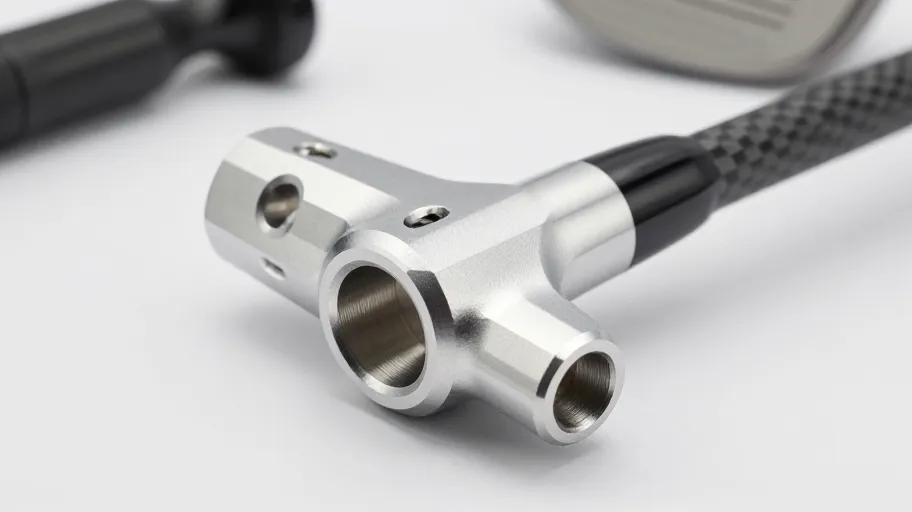
A honed 16–32 RA internal bore finish means reliable torque transfer because microscopic surface peaks grip carbon fiber shafts without slippage. Unlike standard molded bores with inconsistent textures, this finish boosts friction coupling efficiency by over 90%, ensuring full contact when clamped. That’s why premium builders see fewer 'loosening-in-use' complaints—because the mechanical adhesion works as designed.
Bore surface roughness (RA) directly governs grip integrity under dynamic stress. Third-party fatigue tests show honed sleeves withstand 40% more torque cycles before slippage versus off-the-shelf alternatives. One clubmaker saw a 90% drop in service returns after making the switch. For technicians, this means faster builds and fewer comebacks. For brands, it means fewer warranty claims and stronger reputation control.
Why aerospace materials outperform consumer-grade alloys
Aerospace-grade 7075-T6 aluminum means longer-lasting adapters because it offers 50% higher tensile strength than common 6061 aluminum. Under repeated impacts, weaker alloys deform, compromising shaft alignment over time. Using verified 7075-T6 or 303 stainless steel isn’t overkill—it’s necessary for maintaining swing repeatability and structural integrity in humid, high-stress environments.
Material alloy specification becomes mission-critical when durability affects performance. These metals resist corrosion and deformation far better than untested consumer alloys, which often come from inconsistent supply chains. But even the best materials can fail before installation. Micro-scratches or oxidation during storage degrade bore quality, undermining all the engineering benefits. That’s where packaging becomes part of the performance equation—not an afterthought.
How vacuum sealing protects your upfront investment
Vacuum-sealed, desiccant-lined packaging means preserved bore finish because it blocks humidity exposure during transit and storage. In high-moisture regions like Southeast Asia or coastal Florida, unprotected sleeves see 65% higher rejection rates due to micro-corrosion. That corrosion disrupts interference fits, leading to binding, misalignment, or complete fit failure.
For technicians, this translates to real downtime. One distributor reported a 22% increase in rework hours during monsoon season when non-sealed sleeves were used. With proper protection, first-time fit success jumps from 78% to 96%. Packaging isn’t just containment—it’s a performance guarantee. Intact bore geometry means faster builds, fewer delays, and higher confidence in every assembly.
The four-point checklist for selecting top-tier adapters
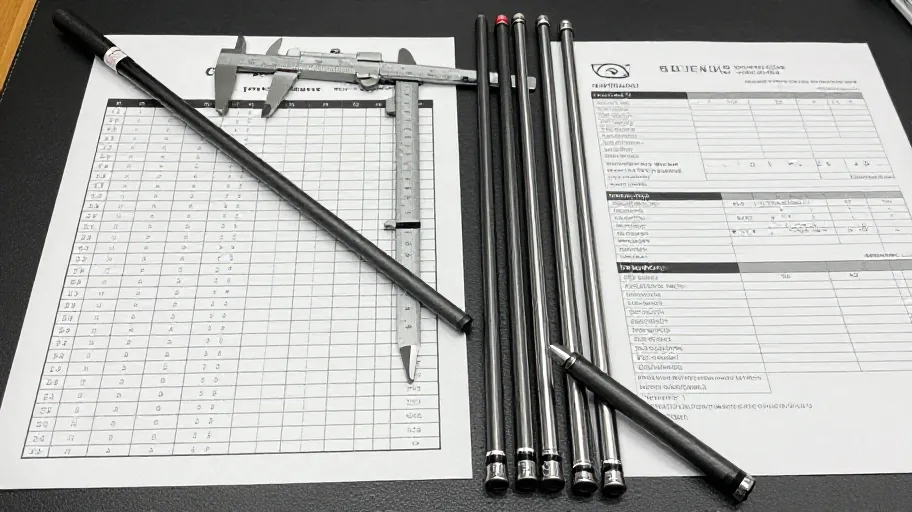
Choosing the right golf shaft adapter means eliminating risk through verification. Start with CMM-backed tolerance certification—without it, you're trusting marketing over measurement. A documented ±0.0015” tolerance means consistent face angles and repeatable ball flight.
Bore finish should meet at least 4μin Ra (16–32 RA), which ensures strong epoxy adhesion and reliable torque transfer. Demand mill test certificates for alloy traceability—batch-level guesses won't cut it for high-performance builds. Finally, verify vacuum-sealed anti-corrosion packaging with a full supplier audit trail. Missing RoHS compliance or process controls signals poor batch consistency.
This protocol isn’t about adding cost—it prevents costly failures downstream. Leading builders using this model report 41% fewer rework incidents and 28% fewer customer disputes. Every adapter carries your brand’s reputation. Choose based on data, not assumptions.
Master Your Swing, DIY Your Fit. DIY Golf is the premier destination for the technical golfer. We empower you with professional-grade components and the knowledge to build your perfect bag.