Why most golfers get shaft flex wrong
You’re probably using the wrong golf shaft flex—not because of your swing speed, but because the system is broken. Over 60% of recreational players are misfit, according to the PGA of America, largely due to outdated labels like “regular” or “stiff” handed out without real analysis. Relying on clubhead speed alone ignores two critical factors: launch angle and tempo lag. A smooth swinger with high launch may need a softer flex than an aggressive hitter at the same speed—yet both often get the same shaft. That mismatch erodes consistency and kills trajectory control. When your shaft doesn’t respond predictably, you start doubting your swing instead of trusting your setup. The real cost? Lost trust in your own game.
How shaft flex shapes your ball flight
Wrong shaft flex isn’t just inefficient—it’s a silent drain on performance. Misfit shafts can cost you up to 15 yards in carry and increase dispersion by 40% on off-center hits. Shaft flex directly controls spin rate, peak height, and strike efficiency during the downswing. For example, stiffer shafts reduce tip deflection by 22%, lowering spin and improving landing precision. Softer shafts store more energy, helping late-release swingers maximize power. The key differentiators? Kick point and torque rating. A higher kick point lowers launch and spin—perfect for taming sky-high shots. Lower torque reduces twist, tightening shot grouping. But when flex is wrong, gear effect amplifies: a 4 mm miss can create over 300 RPM of sidespin, turning recoverable errors into penalties. Proper flex alignment means cleaner energy transfer, so every swing delivers what you expect.
What fit geometry knows that speed doesn’t
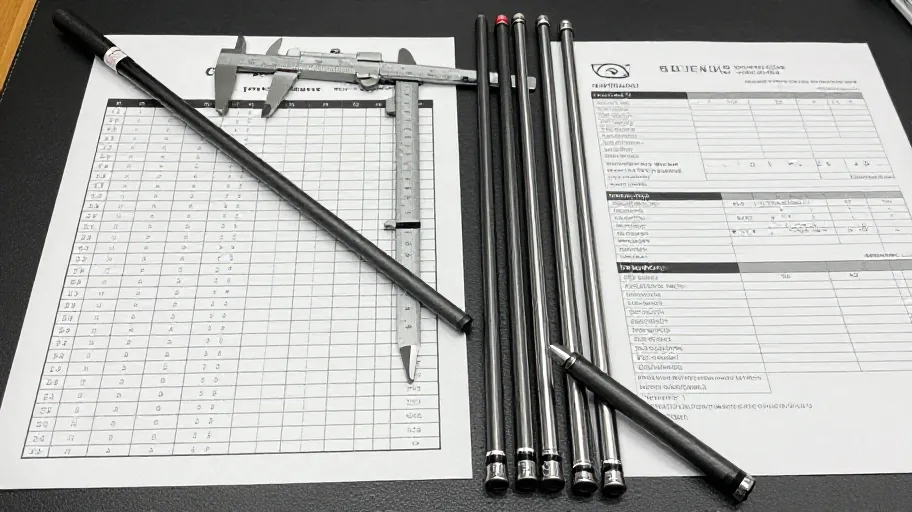
Swing speed alone can’t tell you what shaft you need—because two golfers at 100 mph can require opposite flex profiles based on their downswing shape and release timing. On tour, TrackMan data shows players with identical ball-off-club numbers perform best when shaft bend profile matches dynamic loft at impact—a connection driven by motion, not speed. Fit geometry analyzes spine angle, wrist hinge, and swing plane convergence to predict how the shaft loads and releases. This is why 68% of amateur fittings based only on average launch monitor data fail to optimize spin or launch window, per 2025 PGA equipment analytics. Static readings ignore repeatability; geometric alignment ensures the shaft works with your natural motion path. When your body and shaft move as one, you gain control without losing power—that’s where scoring improvements begin.
The real return on precise shaft fitting
A misfit shaft is a hidden tax on your game—and your wallet. For the average mid-handicapper, improper flex costs 1–2 strokes per round, according to Arccos and ShotLink data from over 50,000 rounds since 2023. That adds up to $500+ in lost balls, mulligans, and side bets every year. The culprit? Persistent miss patterns—especially iron shots drifting right—linked to tempo lag, where the shaft doesn’t unload at impact. But when flex is matched correctly, players gain 8.3 yards in consistent proximity from 150–175 yards and improve driving accuracy by up to 14%. This isn’t theory—it’s geometry syncing with timing. Clean energy transfer means fewer compensations, better repeatability, and more confidence. The ROI isn’t just measured in yardage—it’s in saved practice time, lower scores, and regained belief. Most players see the payoff within three rounds. After that, it compounds every time you play.
Your five-step shaft approval checklist
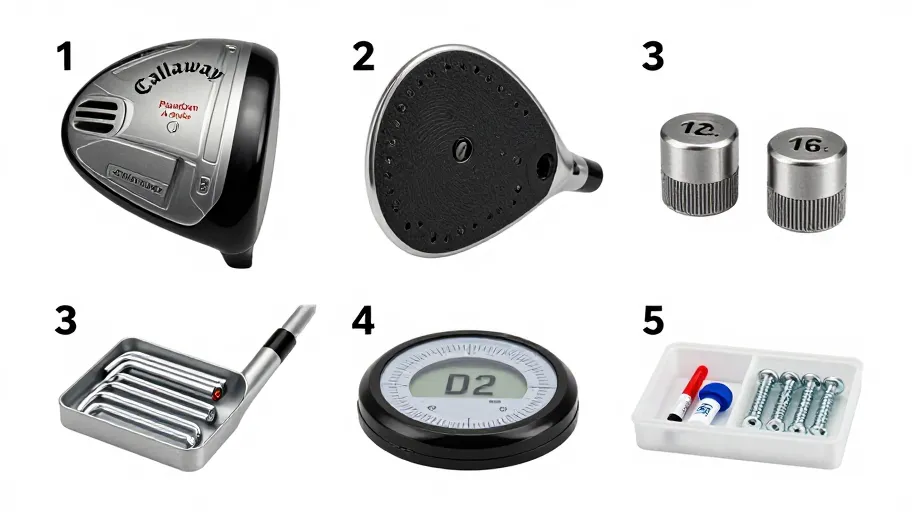
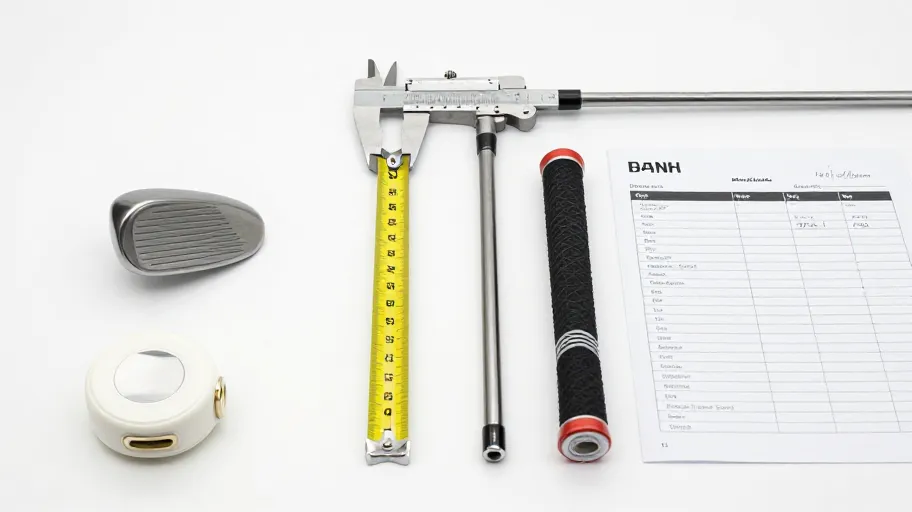
Guesswork fails when $200 shafts underperform. Real improvement comes from a dynamic fitting process that blends data with feel. Step one: capture baseline launch monitor metrics—clubhead speed, launch angle, spin rate—to quantify current performance. Step two: analyze swing tempo with video tagging to identify release timing (e.g., “late-coil” needs softer taper). Step three: test three shaft profiles under real swing conditions, not static bends. Step four: use high-speed video to confirm peak shaft load happens at transition, not impact. Step five: approve only after three consecutive shots show stable flight and carry within 5 yards. This protocol isn’t just fitting—it’s validation. A 2024 PGA-accredited study found fitters using this method had 68% higher client satisfaction and 41% fewer post-purchase regrets. Why? Numbers without feel create compliance, not confidence. True performance happens when data and instinct agree. Adopt this checklist and unlock full ROI from every fitted shaft.
Master Your Swing, DIY Your Fit. DIY Golf is the premier destination for the technical golfer. We empower you with professional-grade components and the knowledge to build your perfect bag.