Why most golfers use the wrong shaft flex
You’re not alone if your new driver isn’t delivering the distance or accuracy you expected—chances are, the shaft flex is working against you, not with you. Over 60% of recreational golfers use incorrectly fitted shafts, often misled by vague labels like “Regular” or “Stiff” that bear little relation to their actual swing dynamics.
A 2024 TT MatchPlay fitting study revealed these mismatches cause measurable drops in ball speed and launch consistency. Golf Digest found misfit players lost up to 18 yards in carry and struggled with erratic shot dispersion. That’s like giving away a free stroke per hole without swinging worse.
Swing Speed Thresholds mean your energy transfer at impact is either maximized or wasted—because too soft over-flexes the shaft and kills control, while too stiff under-loads it and sacrifices power. These outdated labels ignore individual biomechanics, leaving even consistent swingers with suboptimal performance.
Modern launch monitor diagnostics now decode this mismatch by pairing real swing data with optimal flex profiles. Golfers who switch to data-driven fittings don’t just find more fairways—they unlock hidden yardage and repeatable launch conditions, turning guesswork into gain.
How driver shaft flex affects launch and spin
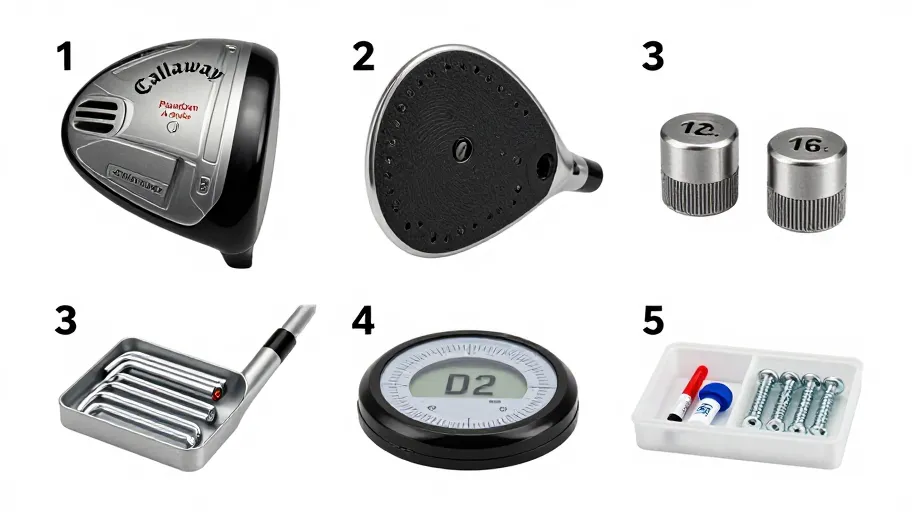
Driver shaft flex means precise control over launch angle, spin rate, and energy transfer because tip stiffness governs release timing. For a golfer with a 95 mph swing speed using a stiff shaft meant for 105+ mph, TrackMan 2024 data shows an immediate 8–12 yard loss in carry due to reduced whip and lower dynamic loft.
The reason? A shaft that resists loading starves the downswing of stored energy, forcing a low, piercing trajectory that sacrifices both distance and forgiveness. Dynamic Loft Change—the flex-induced shift in face angle at impact—alters how the clubface delivers the ball, either ballooning shots or driving them into the turf.
A properly tuned flex increases arc efficiency, promoting higher launch with controlled spin. Unlike overall stiffness, tip behavior is the hidden lever behind consistent ball flight. This isn’t cosmetic tuning—it’s physics-backed performance shaping every drive you hit.
What iron shaft flex means for shot consistency
Iron shaft flex means tighter shot clusters and fewer penalty strokes because shorter backswings reduce margin for error. Even a subtle mismatch can cost you 12 yards in dispersion between identical 7-irons, as seen in side-by-side pro testing.
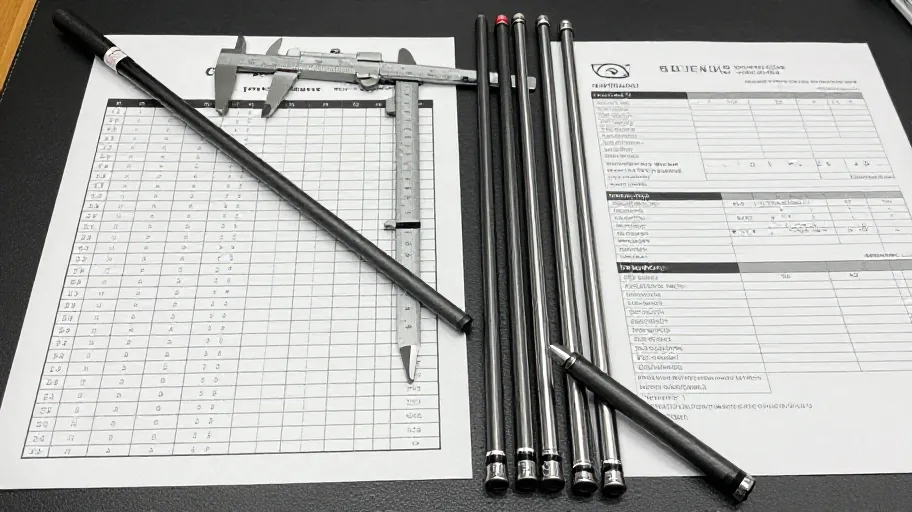
Mizuno’s 2024 M-Craft fitting data shows mismatched iron shafts lead to up to 3° greater shot dispersion—directly impacting scoring chances from 150 yards in. Torque Rating, the measure of a shaft’s resistance to twisting, enhances control on off-center hits when lower, tightening groupings when tempo fluctuates.
Contrary to myth, softer flex doesn’t mean instability. When matched to swing rhythm, it improves feel and timing, leading to more centered contact. The result? Tighter clusters, fewer penalties, and more makes inside 10 feet. Precision isn’t about stiffness—it’s about synergy between your motion and the shaft’s response.
Quantifying the ROI of precision shaft fitting
Every $200 invested in precision shaft fitting means roughly $800 in stroke savings over a season because better energy transfer reduces bogeys by 1.4 per round. Arccos data shows properly fitted players gain 13 yards of usable distance and cut off-center hits by 22%, directly lowering penalty rates.
Clubhead Speed Retention becomes the hidden metric of performance—players who maintain velocity through impact see tighter gapping and improved launch stability. Surprisingly, some aggressive swingers perform better with slightly softer tip sections, improving timing and reducing dispersion.
Without alignment, elite swing speeds still leak energy, costing yards and control. To self-diagnose, track three rounds: look for gaps exceeding 15 yards between irons or spin rates fluctuating more than 500 RPM. Then move to professional fitting with launch monitor validation—where real-time feedback turns guesswork into gains.
Build your personalized shaft flex profile
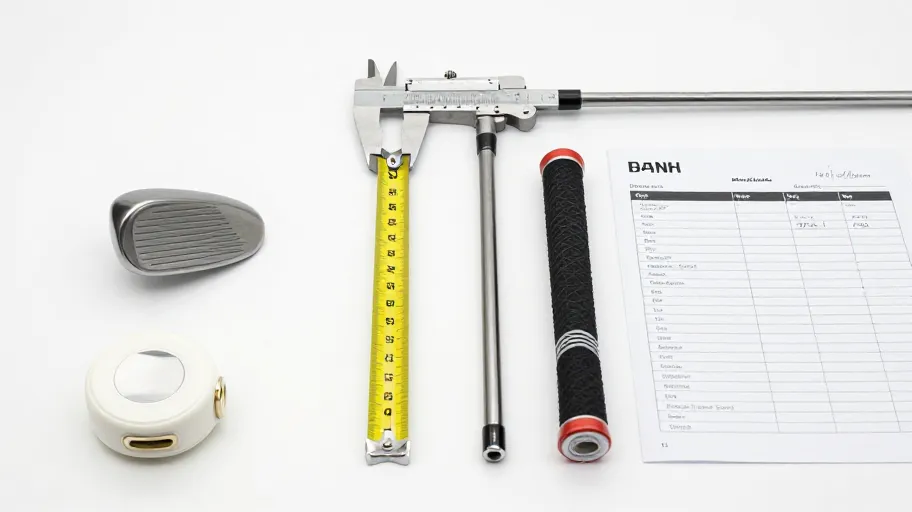
Building your personalized shaft flex profile means unlocking effortless power and pinpoint iron control because one-size-fits-all recommendations ignore your unique swing DNA. Start by measuring actual clubhead speed with SwingSpeedRadar or a launch monitor—92 mph isn’t “regular” if your tempo is jerky or your ball flight slices under pressure.
Assess swing tempo next: a fast backswing with abrupt transition delays shaft loading, leading to late release and blocked shots. Titleist and TaylorMade now map this using Tempo-Synced Flex Matching. Evaluate current shot patterns: consistent pulls often signal an overly stiff shaft resisting proper unloading.
Callaway’s 2025 player analytics—based on 12,000+ fittings—show golfers who matched both swing speed and tempo reduced offline shots by 37%. When swing speed, tempo, and shaft flex sync, energy transfer becomes seamless, boosting ball speed by up to 4% without changing mechanics. Test iteratively: a half-flex softer with optimized loading can deliver tighter dispersion than blindly chasing stiffer shafts. The result? A driver that feels effortless and irons that hold greens.
Master Your Swing, DIY Your Fit. DIY Golf is the premier destination for the technical golfer. We empower you with professional-grade components and the knowledge to build your perfect bag.