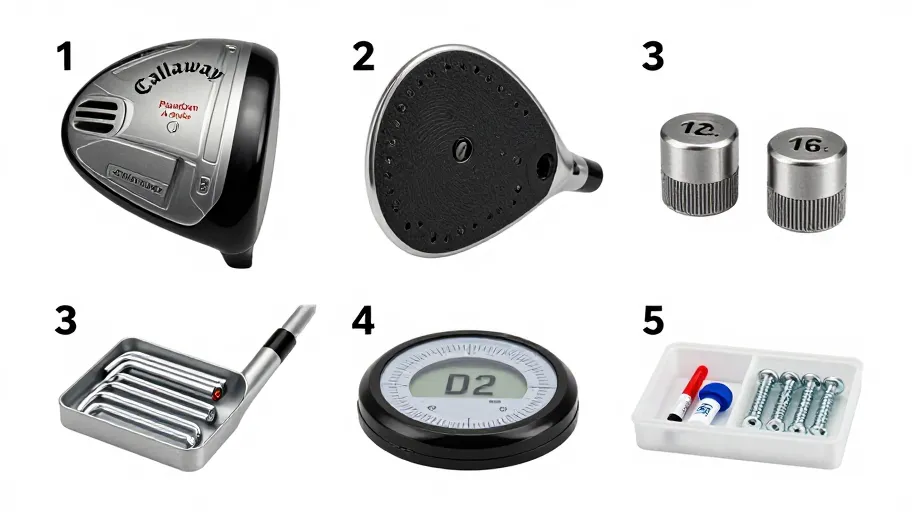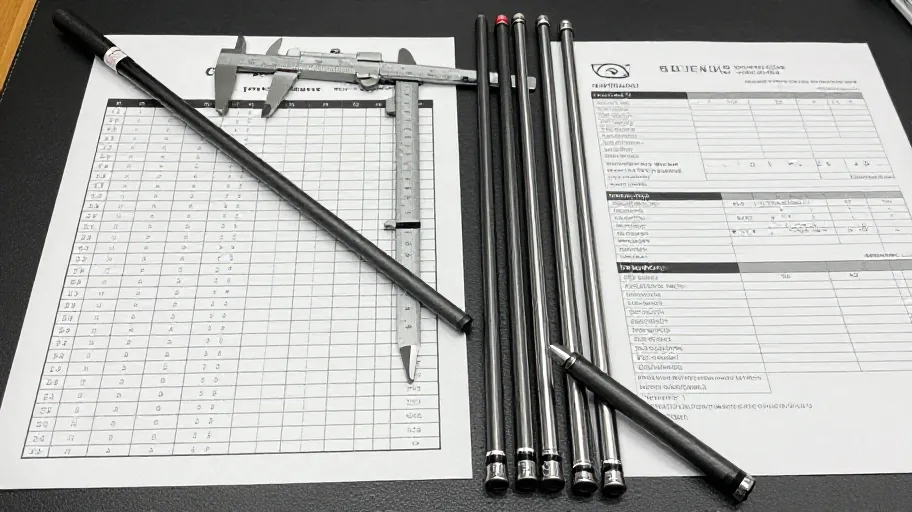
Shaft flex cannot be selected reliably from swing speed alone. Flex labels are manufacturer and model designations, not a universal scale. Weight, bend profile, torque, length, head, strike pattern, tempo and player feedback all affect the fitting decision.
Why the letter on the shaft is only a starting point
Two shafts marked “S” can have different weights, torque values and bend profiles. A player can also deliver the club differently from another golfer with similar peak speed. That is why a speed chart can help narrow the test set but cannot make the final choice.
Callaway’s fitting handbook says there is unlikely to be one perfect shaft for every player and recommends checking feel, strike consistency and shot consistency. Fujikura’s published specification tables likewise list flex alongside weight, torque, tip/butt characteristics and launch/spin profile. The full specification matters.
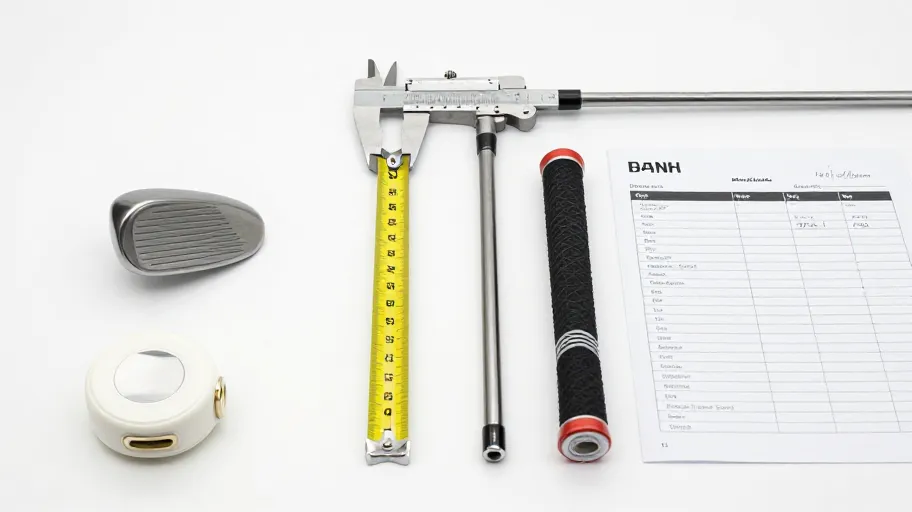
Record the current build first
- driver head and loft;
- shaft manufacturer, model, flex and weight class;
- playing length and tipping/build notes when known;
- grip model and approximate build size;
- adapter model and setting;
- player feedback on weight, feel and control;
- impact location and ball-flight pattern.
If the shaft is used or has been re-tipped, do not rely on the printed label alone. Confirm the adapter identity, actual playing length and visible modification history. The used driver-shaft checklist covers those purchase checks.
A controlled shaft comparison
- Define the goal. Choose one problem to investigate, such as strike consistency, trajectory, directional pattern or feel.
- Keep the head constant. Use the same head, loft/hosel setting, ball and target where practical.
- Start near the current build. A familiar baseline helps separate a real pattern from novelty.
- Change one shaft factor. Compare a sensible candidate rather than jumping across several weight and profile categories at once.
- Use a shot group. Record impact location, start direction, curvature, launch/spin when available, carry and player feedback. Do not fit from the longest single shot.
- Repeat the finalists. Return to the baseline between candidates and verify the result in a second group or session.
How to read common fitting signals
A scattered strike pattern does not prove the shaft is too soft or too stiff. It may point to length, total weight, balance, setup or swing delivery. A consistent flight that misses the target may call for a head/hosel or alignment change instead. Treat each observation as a reason to test a variable, not as a diagnosis by itself.
Tempo and transition help a fitter choose candidates, but terms such as “aggressive” or “smooth” are not measurements unless the fitting system defines them. Keep those descriptions with the observed strike and shot pattern. Player feedback remains part of the decision because a technically acceptable result that the golfer cannot repeat is not a useful fit.
Compatibility and installation boundary
Before hitting a candidate shaft, confirm that the tip, adapter, club type, model generation and handedness markings are appropriate for the head. A shaft that physically seats is not automatically compatible. Use the adapter compatibility checker as a starting point and verify the current OEM source for the exact combination.
Installation, tipping and curing instructions are model- and material-specific. If the build history is unknown or the adapter is damaged, use a qualified club builder rather than guessing.
Primary references
- Callaway OptiFit Custom Fitting Handbook—shaft weight, feel, tempo, strike and shot-pattern comparison.
- Fujikura Shaft Specifications—model-specific flex, weight, torque and bend-profile data.
- Callaway 2024 Fitting Handbook—driver baseline and one-variable testing sequence.
Checked September 18, 2026. Verify the current manufacturer specifications and the exact assembled club before making a fitting or purchase decision.