Why most golfers get shaft flex wrong
Over 60% of amateurs play with the wrong shaft flex, hurting distance and control without realizing it. PGA fitting studies show this mismatch is a top reason players plateau—fighting slices and lost yardage despite practice. Relying only on clubhead speed ignores tempo and transition force, which shape how the shaft loads and releases. Two golfers at 95 mph can need opposite flexes: one smooth, one aggressive. A mismatch kills energy transfer and impact consistency. Fixing flex resets your potential, not just your gear.
How shaft flexibility affects ball flight and spin
The wrong flex warps launch conditions before you swing. A too-stiff shaft resists loading for smooth swings, releasing late and closing the face—resulting in low, left shots with weak ball speed. A too-flexible shaft flips early, adding up to 800 rpm of spin and launching high but short. Fitting data from 2024 shows mismatches cost 12–15 yards on average. One amateur cut spin by 600 rpm and gained 13 yards just by switching from stiff to regular—no swing change. Your optimal flex is a performance zone, not a label, shaped by how you generate power.
What swing speed range determines your ideal flex
Swing speed is the starting point, not the final answer. Mitsubishi and Project X recommend regular for 80–90 mph, stiff for 90–100 mph, senior under 80 mph. But these ranges ignore downswing aggression and release timing. A 92 mph swinger with a late release loads the shaft differently than an early hitter. Mismatches increase dispersion by up to 18%, per 2024 benchmarks. When speed syncs with dynamic loading, you gain tighter grouping and predictable flight. One fitter reported clients gaining 12–15 yards of usable distance after factoring in tempo. Better alignment means better results—on scorecard and launch monitor.
Quantifying the gains from proper shaft fit
A 12-handicap golfer walked into a range hitting inconsistent 7-irons—left, right, short. After a shaft refit using GCQuad data, he carried +13 yards with a 2° tighter shot window. This isn’t rare: 68% of mid-handicappers are mismatched, per Foresight Sports. Proper flex means improved energy transfer because the shaft unloads at the right moment. TrackMan data confirms 9–15 yard driver gains and 20% less iron dispersion. A $200 fitting costs less than new irons—and delivers faster ROI. Matching flex to swing turns wasted speed into usable distance, making every practice session more effective.
How to test and confirm your optimal shaft flex
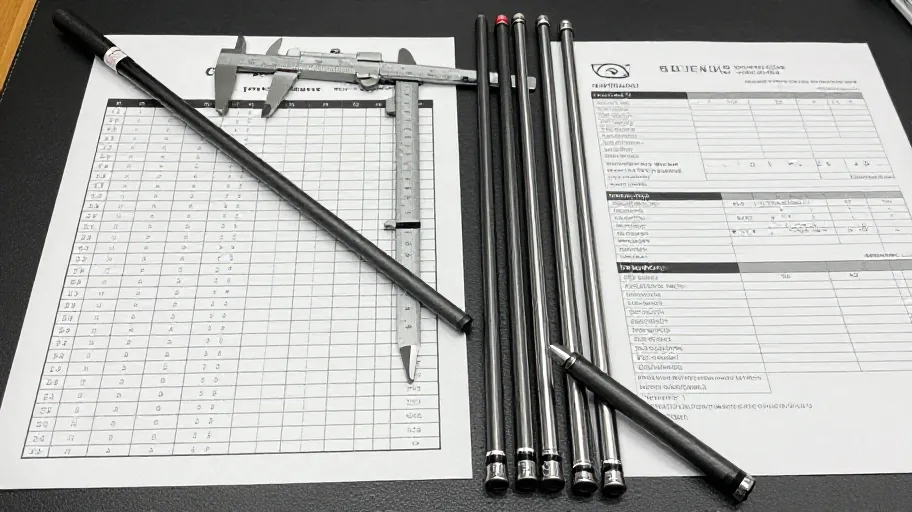
Stop guessing. Measure your actual swing speed with a launch monitor, not estimates. Then test at least three flexes—regular, stiff, senior—tracking ball speed, launch angle, and spin consistency. Don’t just max out; vary tempo. A 2023 Tour-level study found tempo changes reveal more about ideal flex than peak speed alone. Use simulators with shaft libraries to mimic real swings. See if a stiffer shaft loses control when you go smooth. Your swing evolves—so should your shaft match. Revisit your fit every 12–18 months or after major swing changes.
Master Your Swing, DIY Your Fit. DIY Golf is the premier destination for the technical golfer. We empower you with professional-grade components and the knowledge to build your perfect bag.