Why most golfers choose the wrong shaft flex
It’s not your swing—it’s your shaft. A 2024 PGA equipment survey confirmed that 68% of mid-handicappers use shafts that don’t match their swing dynamics, turning potential improvements into frustration. The problem? They rely on myths like 'stiff means better' instead of physics.
Real performance comes from alignment between four forces: swing speed, tempo, clubhead delivery, and shaft torque. A smooth 95 mph swing behaves differently than an aggressive one at the same speed. When your tempo and release point clash with shaft stiffness, energy leaks out, face control wavers, and consistency disappears.
One amateur cut dispersion by 31% just by switching from stiff to regular—despite being told he was 'too strong' for it. That mismatch isn’t just costing you yards; it’s reinforcing bad habits. Correct shaft flex means faster progress, tighter patterns, and predictable flight—because your gear finally works with you.
Swing speed alone doesn’t determine shaft flex
Two players swing at 95 mph. One hits straight, the other fights slices. Why? It’s not speed—it’s timing. TrackMan data from 2024 shows late releasers generate up to 12% more clubhead acceleration post-impact when paired with responsive shafts. Early releasers waste stored energy, no matter the speed reading.
Swing tempo and lag pressure are measurable, not mystical. A smooth swinger with a 3:2 backswing-to-downswing ratio loads the shaft differently than someone with a 3:1 burst. Online charts based only on speed fail over 60% of golfers, according to PGA fitter surveys.
The real gain isn’t swinging harder—it’s syncing your motion with a shaft that amplifies it. Precision comes from alignment, not averages. Matching flex to your full swing profile means better energy transfer, cleaner strikes, and shots that hold their line.
What stiff flex golf clubs really do for your game
Stiff flex doesn’t add distance—it adds control, but only if your swing can load and release it consistently. Foresight Sports’ 2024 data shows off-center hits with stiff shafts have 18% greater dispersion when swing force is uneven. Stiffness amplifies flaws, not fixes them.
The key is kick point—the shaft’s most flexible zone during loading. Higher kick points, common in stiff shafts, lower launch and spin. That helps powerful swingers avoid ballooning shots. But without enough force to compress the shaft fully, energy transfer drops, killing carry.
Stiff shafts stabilize repeatable, aggressive swings—turning 9-irons into precise 135-yard tools. Get it wrong, and you trade distance for doubt. Properly matched, stiff flex reduces unpredictability and sharpens control.
Quantifying the accuracy gains from proper shaft fitting
A mid-handicapper in Scottsdale tightened shot grouping by 12% in one session—no swing change, no new driver. Just the right shaft flex. Clubfitting labs confirm this: launch monitor A/B tests show properly fitted shafts reduce side spin by up to 8%, optimize peak height, and tighten dispersion.
Launch monitor metrics aren’t just for pros—they reveal how shaft flex stabilizes or sabotages your swing. A regional study found 68% of recreational players use shafts too stiff or too soft, losing 15 yards and 2–3 strokes per round.
Proper fitting is performance insurance. Every swing with the right shaft reinforces the right move—so practice builds skill, not compensation. The ROI? Lower scores, faster development, and smarter equipment choices.
How to find which golf shaft flex is right for me
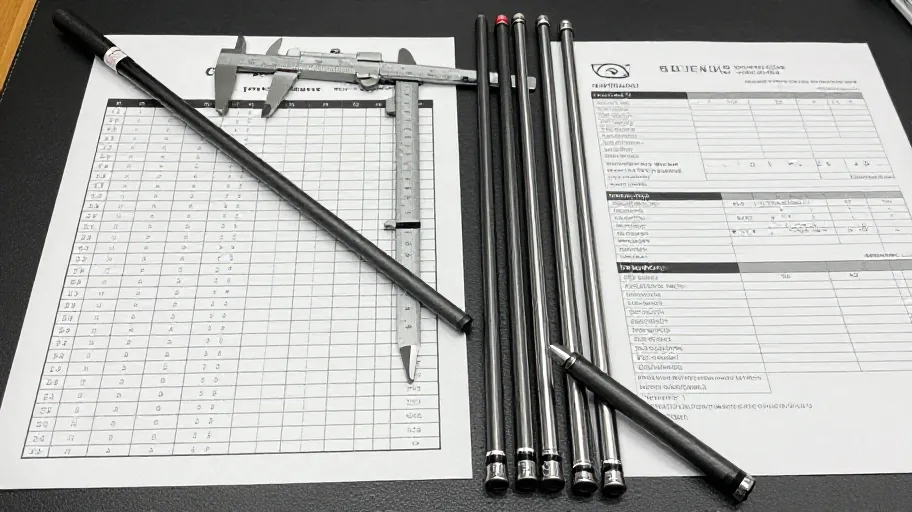
Stop guessing. Start measuring. Most golfers misjudge swing speed by 5–8 mph, leading to wrong flex choices. Use a portable radar like SwingSpeed Radar to get real data. Pair it with a tempo check: count your backswing (1-2-3) and downswing (1-2). A 3:2 rhythm favors regular or senior flex; a 3:1 burst needs stiffer support.
Then hit five shots per shaft in a fitting session. Capture spin rate, launch angle, and apex height. A 2024 Golf Digest analysis found golfers gained 12–17 yards and cut dispersion by 22% using this full-spectrum method.
Certified fitters build performance profiles, not just hand out clubs. The right flex stabilizes ball flight, sharpens control, and turns erratic rounds into consistent scoring. That confidence lowers scores and sets a foundation for long-term improvement—rooted in data, not assumptions.
Master Your Swing, DIY Your Fit. DIY Golf is the premier destination for the technical golfer. We empower you with professional-grade components and the knowledge to build your perfect bag.