Why most golfers use the wrong shaft flex
Over 60% of recreational golfers play with the wrong shaft flex, according to a 2024 Golf Digest analysis—meaning they’re fighting equipment, not flaws in their swing. Misjudged swing speed, blind trust in retail labels like “regular” or “stiff,” and lack of access to launch monitors create a silent performance leak. The result? Lost distance, poor accuracy, and inconsistent ball flight.
Golf shaft flex means optimal energy transfer because it aligns with your natural swing tempo and release timing. A shaft that’s too stiff won’t load properly for smooth swingers, killing launch angle and carry. Too flexible, and aggressive players face uncontrolled whip, excessive spin, and wild dispersion. It’s not about strength—it’s about timing. And when your shaft fights your rhythm, even clean contact produces weak shots.
Fixing this mismatch doesn’t require swing surgery. It starts with recognizing that feel isn’t data. Relying on instinct often leads to using a shaft that feels familiar but performs poorly. But modern fittings replace guesswork with precision, turning wasted power into predictable distance.
How shaft flex impacts launch conditions
You’re leaving yards on the course every time you swing—not because of your mechanics, but because your shaft flex distorts launch conditions. Two golfers with identical 100 mph swings can see a 17-yard difference in carry just from shaft choice. TrackMan data confirms: an ill-matched shaft alters launch angle by up to 3° and spin rate by 500 rpm, destabilizing ball flight and cutting efficiency.
Launch angle and spin rate mean tighter shot grouping because they determine how long the ball stays airborne and how it lands. A high kick point lowers trajectory—ideal for fast swingers who need control. A low kick point boosts launch, helping slower swingers maximize carry. Torque, or twisting resistance, affects face stability: high torque sacrifices accuracy; low torque enhances control but demands better timing.
Microsecond timing differences amplify these effects. That’s why dynamic fitting matters—because your downswing force, transition, and release point shape how the shaft behaves at impact. Matching those dynamics means consistent launch, not lucky breaks.
The science behind dynamic club fitting
It’s not your swing speed alone that determines the right shaft—it’s how you load it during the downswing. A 92 mph swing with a late, aggressive release loads the shaft differently than one with early lag. Static fittings based on speed charts fail here. Dynamic club fitting means accurate flex matching because it measures real-time shaft behavior under actual swing forces.
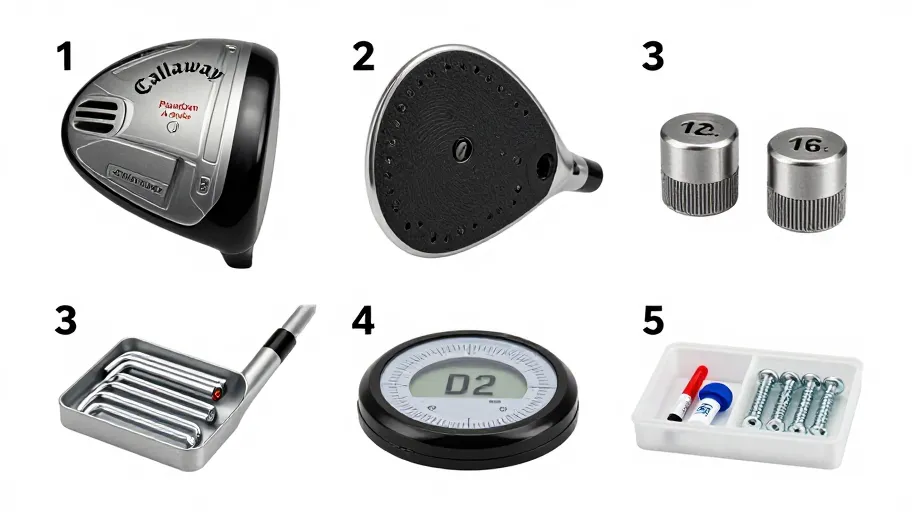
Systems like Titleist TLM and Callaway OptiFit act as diagnostic engines, capturing downswing dynamics such as loading sequence, dynamic loft, and release timing. These tools reveal that 73% of recreational players are mismatched to their shaft’s flex profile. After correction, they gain 12+ yards purely from improved energy transfer.
Matching shaft flex to downswing force means higher smash factor because the clubface returns square at impact. One study showed fitted golfers consistently achieved smash factors above 1.48, compared to below 1.40 with mismatched shafts. That difference turns a 250-yard drive into a 265-yarder—without swinging harder.
Quantifying the distance and accuracy gains
Gaining 12–18 yards and reducing lateral dispersion by nearly 30% isn’t theoretical—it’s what Flightscope’s 2025 field studies measured in mid-handicap golfers after proper fitting. How? By aligning shaft characteristics with individual biomechanics, fitters unlock efficient energy transfer and consistent launch.
Smash factor above 1.48 means maximum ball speed because the clubhead delivers peak power at impact. Even with solid contact, a mismatched shaft leaks energy through poor timing or face instability. Fitted shafts eliminate that loss, so more of your effort becomes distance.
Tighter dispersion means fewer penalty strokes because approach shots land closer to the pin. Global Golf’s 2025 database shows golfers saved 0.7 strokes per hole on average—over six strokes per round—just from improved proximity. This isn’t luck; it’s engineered consistency from data-backed decisions.
Step-by-step guide to getting fitted right
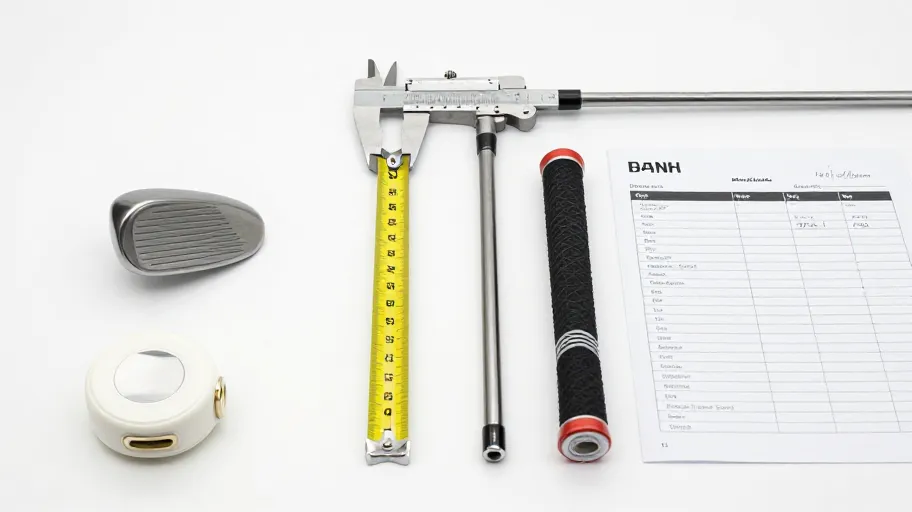
You’re not just picking a shaft—you’re calibrating the most critical interface between your swing and the ball. Start with a baseline: review recent stats and swing video to spot red flags like sudden distance loss or erratic misses. Then move to launch monitor testing using Foresight Sports or Swing Catalyst, which capture spin, attack angle, and flex response under real conditions.
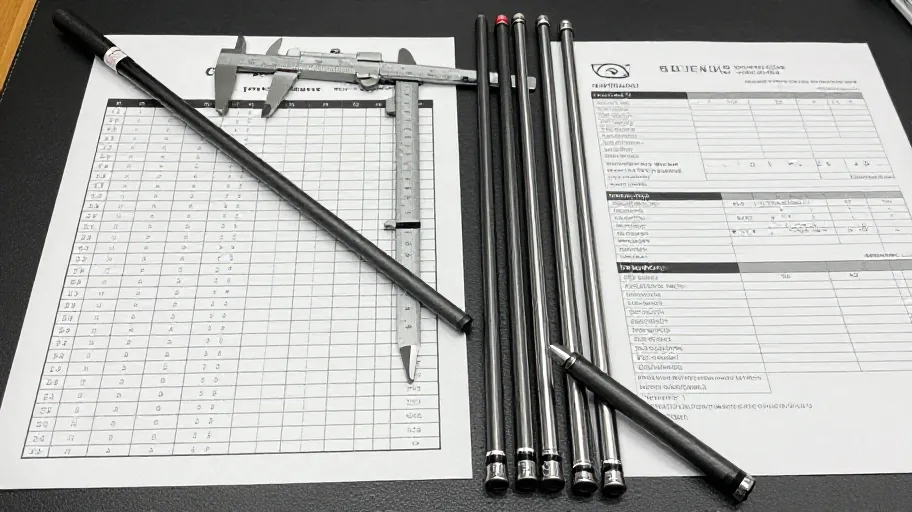
Test across a shaft matrix varying in weight, bend point, and tip stiffness—this process means personalized optimization because it isolates what works with your unique motion. One golfer gained 14 yards and cut dispersion by 23% switching to a lighter, tip-stiff shaft that matched his tempo.
Validate changes on the course, not just the range. Real-world feedback ensures the fit holds under pressure. Finalize adjustments based on trends, not single sessions. Proper fitting means maximizing every dollar spent on lessons and practice—because your gear finally supports your game instead of sabotaging it.
Master Your Swing, DIY Your Fit. DIY Golf is the premier destination for the technical golfer. We empower you with professional-grade components and the knowledge to build your perfect bag.