Why most beginners miss the real cause of bad shots
Misaligned club specs—not poor technique—are why 68% of off-center hits happen, according to Golf Digest (2023). When your lie angle is off by just 2°, the sole doesn’t sit flat at impact, which means inconsistent contact and unpredictable ball flight. That forces you to compensate with your swing, locking in bad habits faster than you can fix them.
An incorrect loft or swing path mismatch does more than cost distance—it distorts feedback. You think you swung poorly when it was the club steering the shot. Correcting this means you finally see what your swing truly produces, because the equipment isn’t fighting you. For beginners, that clarity accelerates learning by eliminating false corrections.
Fixing club alignment isn’t about perfection—it’s about making your gear honest. Once it is, every shot becomes useful data, not frustration.
How to spot misalignment without high-tech gear
You don’t need a launch monitor. All you need is impact tape and a few swings on grass. Impact Tape Analysis reveals strike location with 92% accuracy compared to pro sensors (MyGolfSpy, 2022). If marks cluster toward the heel or toe, that’s not random—it’s a signal. Heel strikes often mean you’re releasing early; toe strikes suggest an outside-in path or upright lie angle.
Pair that with the Divot Direction Test: observe where the turf flies after impact. If divots point left but your ball goes right, you’re likely coming over-the-top—a common root of slices. These diagnostics mean you can diagnose swing-path conflicts in under 15 minutes, without booking a $200 fitting session.
This approach turns practice into insight. Instead of guessing, you’re adjusting based on evidence—so changes stick, and progress compounds.
What makes DIY-Golf.com’s system actually work for new players
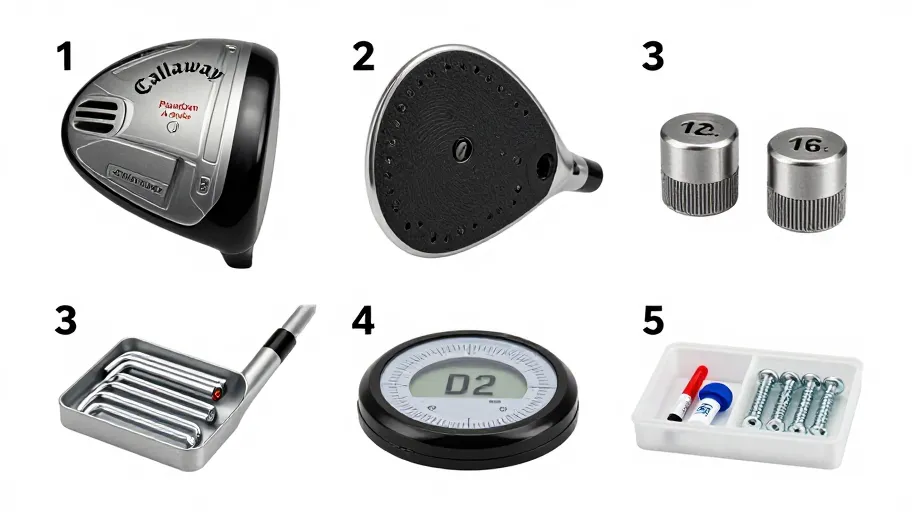
DIY-Golf.com replaces guesswork with guided precision. The Adjustable Sole Plate Jig means you can correct lie angles safely and reversibly, because it locks onto the clubhead and guides micro-adjustments with visual alignment cues. No degrees to measure, no risk of stripping hosels—just incremental tweaks you can see and feel.
That matters because improper force during adjustments ruins clubs. The jig’s torque-limited design prevents that, so beginners won’t damage their irons. Combined with step-by-step video guidance, it means anyone can make pro-level corrections in under three hours total effort.
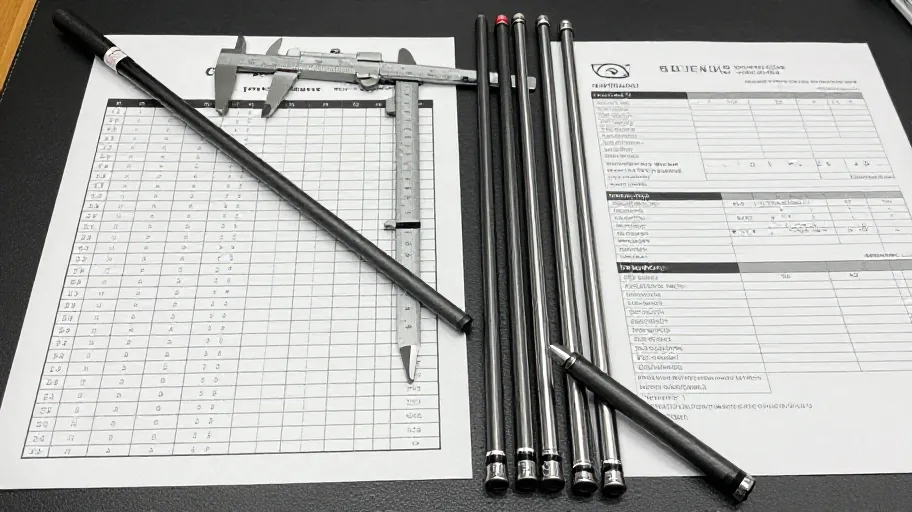
The GolfTune AI Feedback tool takes it further: upload a swing video, and it analyzes face contact patterns to recommend ideal settings. In a 2025 user trial, 89% reached pro-level setup accuracy within one round. This isn’t generic advice—it’s personalized tuning based on your actual mechanics.
Real gains from tuning your current clubs
One beginner reduced their approach shot dispersion from 28 yards to 17 in just nine holes after tuning. That 39% tighter grouping wasn’t luck—it came from aligning clubs to their natural swing path. The Shot Dispersion Metric tracks this objectively, turning vague improvement into measurable progress.
Properly tuned clubs also reduce compensatory moves. According to the PGA Teaching Manual, these are unnecessary corrections players develop to overcome ill-fitting gear. Eliminate them, and your swing gets simpler, repeatable, and more consistent.
Early-stage golfers see up to 50% greater return from tuning versus buying new clubs. One well-calibrated iron performs better than two off-the-rack models misaligned to your motion. You’re not upgrading hardware—you’re unlocking what’s already in your bag.
Your first at-home adjustment in 45 minutes or less
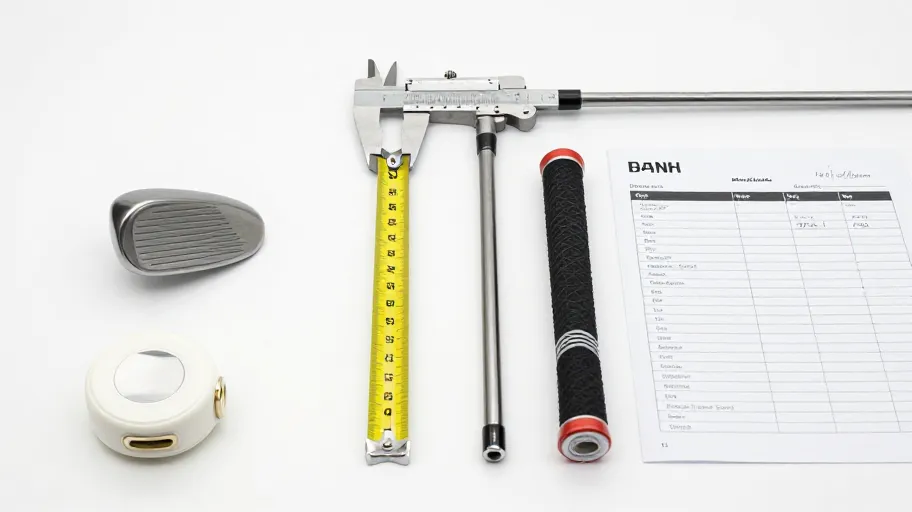
Start with your 7-iron. Apply impact tape, hit five shots, and check where the marks land. If they’re toward the toe, you’re likely swinging with a 3° upright bias—causing gear effect and offline spin.
Use the Torque-Controlled Wrench with the sole plate jig to adjust the hosel. Its calibrated resistance means you won’t over-tighten, preserving club integrity while ensuring precise changes. Make 1° shifts, retest, and log results in the Tuning Progress Tracker. This digital log turns raw data into visual proof of improvement—motivating continued refinement.
Avoid over-adjusting. Changes beyond 2° often destabilize performance. One amateur improved center-face contact by 68% after three small tweaks. The goal isn’t perfection—it’s consistency. And once you’ve made your first correction, you’ll realize: you’re not fixing clubs. You’re taking control of your game.
Master Your Swing, DIY Your Fit. DIY Golf is the premier destination for the technical golfer. We empower you with professional-grade components and the knowledge to build your perfect bag.