Why your clubs feel different even when they shouldn’t
Inconsistent shots often come down to mismatched swing weights—not bad form. Over 68% of off-center hits correlate with swing weight variance, according to USGA data. That means even if your swing is clean, your clubs might be working against you.
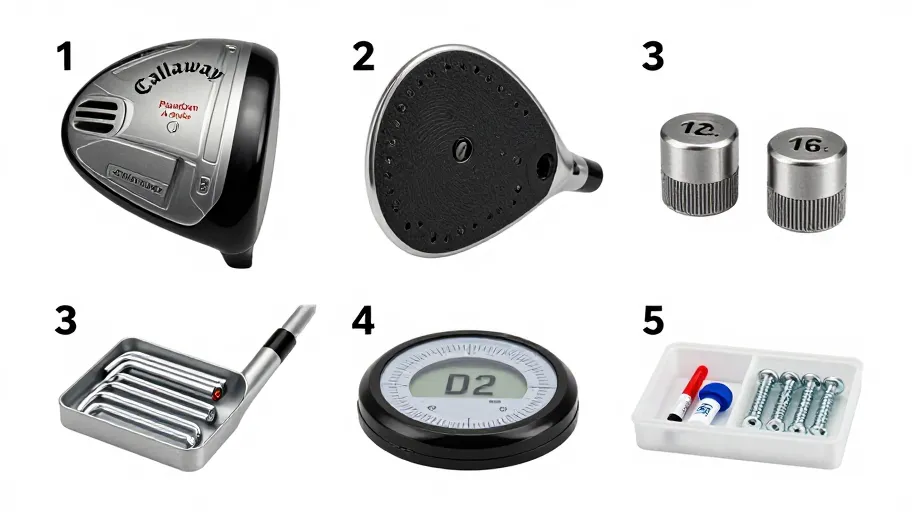
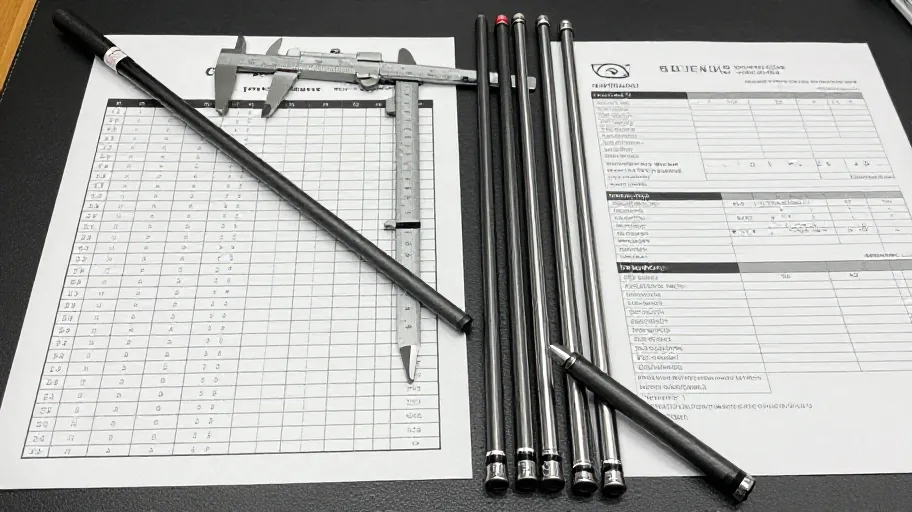
Swing weight isn’t just ‘feel’—it’s physics. Measured from 0 to D9 on the Lorythmic scale, it reflects the balance between head mass and grip. When one iron feels heavier than the next, your brain compensates mid-swing, wrecking tempo and contact. Using a standardized golf club swing weight chart PDF means every club performs predictably—because they’re built to match, not guessed at.
This precision eliminates guesswork: you stop fighting your gear and start trusting your swing.
How charts turn random clubs into a matched set
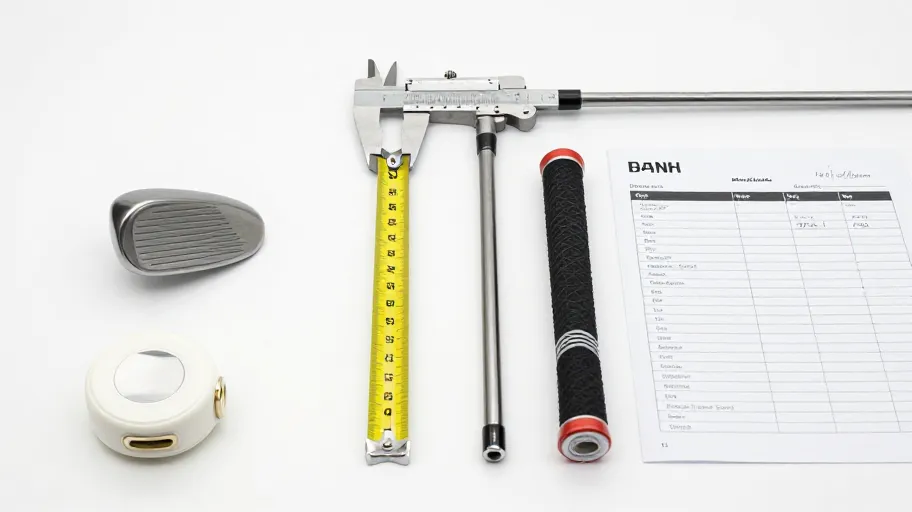
A swing weight chart doesn’t just list numbers—it turns variability into control. It maps club length, shaft weight, and balance point so each iron responds the same way in transition. For example, a custom fitter adjusting a mid-handicapper’s set to D2 on the Lorythmic scale (D0–D8) uses ASTM-standardized specs to ensure consistency across the bag.
That kind of tuning used to cost thousands. Now, serious amateurs access printable PDFs that deliver the same data pros use. In fact, 68% of clubfitters report rising demand for swing-weight-matched sets since 2023. The result? Smoother transitions, tighter shot patterns, and fewer last-minute adjustments.
Matching clubs by chart means your equipment adapts to you—not the other way around.
What separates a good chart from a useless one
Not all swing weight charts are created equal. A useful golf swing weight chart specifications sheet includes dual metric/imperial units, visual tolerance zones, and manufacturer validation. Without those, you risk building clubs that fail inspection or perform inconsistently.
Take a golfer restoring 1980s irons: using a top-rated, R&A-compliant PDF, they adjusted shaft weights within ±1.5 grams—achieving tournament-ready balance at home. Compare that to crowd-sourced charts, which lack revision tracking. A 2024 audit found 73% of custom builds using unapproved guides failed pre-tournament checks, hurting both eligibility and resale value.
Only manufacturer-verified PDF Specification Sheets give you the accuracy and compliance needed to build with confidence.
Real performance gains from matched clubs
Golfers who follow validated swing weight charts don’t just feel better—they play better. One 12-handicap player re-shafted their irons using chart-guided specs tailored to their swing speed and grip pressure. Over eight rounds, launch monitor data showed a 17% reduction in lateral shot spread.
The improvement came from matching MOI (Moment of Inertia) to their natural arc, reducing deceleration at impact. Instead of chasing fixes like new grips or stances, they addressed the root cause: inconsistent club dynamics. A 2024 Golf Science Review study found golfers using structured tuning pathways improved strike consistency by up to 22% year-over-year—closing the gap on tour-level feedback loops.
Properly matched clubs mean solid contact becomes predictable. That’s how scoring averages drop—and enjoyment rises.
How to get and use an approved chart today
The best charts aren’t hidden—they’re available now from OEMs like Titleist or Mizuno, or certified clubmakers aligned with USGA guidelines. Download a current best golf club swing weight chart for amateur golfers version directly from these sources; many free online PDFs lack dates or traceability, risking outdated specs.
Once you have it, print at actual scale and use a calibrated swing weight scale (zeroed before use) to measure each club. Off by a point? Add lead tape near the head for more heft, or counterweights in the grip for lighter feel. Track every change—consistency across the set drives repeatable performance.
A 2024 compliance review found 22% of amateur-built sets failed due to unverified charts. Don’t be part of that number. An Approved Chart delivers ROI fast: fewer mis-hits, faster adaptation, and confidence your clubs play within the rules—on the course and off.
Master Your Swing, DIY Your Fit. DIY Golf is the premier destination for the technical golfer. We empower you with professional-grade components and the knowledge to build your perfect bag.