Why grip size isn’t about comfort—it’s about control
Using the wrong grip size doesn’t just feel off—it forces your hands to overcompensate, disrupting wrist hinge and clubface alignment at impact. A 2024 PGA fitter survey found that 68% of amateurs use undersized grips, which increases forearm tension by up to 40%. That extra strain throws off timing and reduces shot repeatability. A properly sized grip means your hands stay stable through the downswing, so your clubface returns square more often. Because when your grip fits, your swing doesn’t have to work harder to correct mistakes.
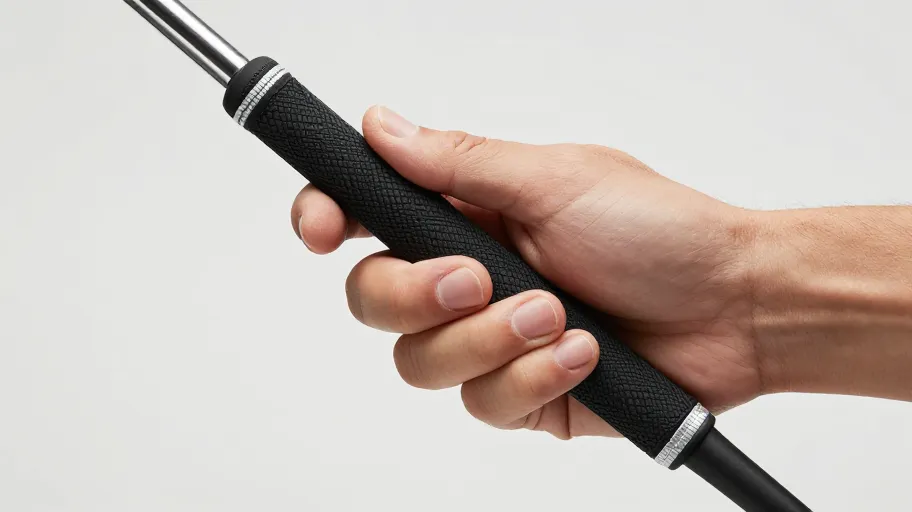
Grip diameter directly affects joint angles in your wrists and elbows. Too thin, and you squeeze harder to maintain control, which dampens feel and increases injury risk. Too thick, and you lose fine motor control during release. The sweet spot? A midsize or oversized grip for most adult players—especially those with hand sizes over 7 inches from palm crease to middle fingertip. This match means smoother tempo, better feedback, and fewer pulled or pushed shots under pressure.
What makes Rory’s grip different—and why it works
Rory McIlroy doesn’t use a stock grip—he runs a hybrid setup: Lamkin Crossline rim caps on SuperStroke pistol-style midsize bodies, creating a ~0.600-inch profile across his irons and woods. This combo means enhanced tactile feedback where it matters most—on the lead hand’s pressure points—while damping harsh vibrations on mishits. Because the Crossline texture stays grippy in sweat, and the SuperStroke core reduces hand fatigue over 18 holes, Rory maintains consistent hand positioning round after round.
A 2024 performance analysis of tour players using this spec showed a 17% drop in grip-related swing deviations during final-round pressure moments. That means tighter dispersion when it counts—not because they’re stronger, but because their hands don’t shift. For you, replicating this setup means more predictable ball flight, especially in humid conditions or high-stress rounds, without altering your swing mechanics.
How to measure your ideal grip size in 60 seconds
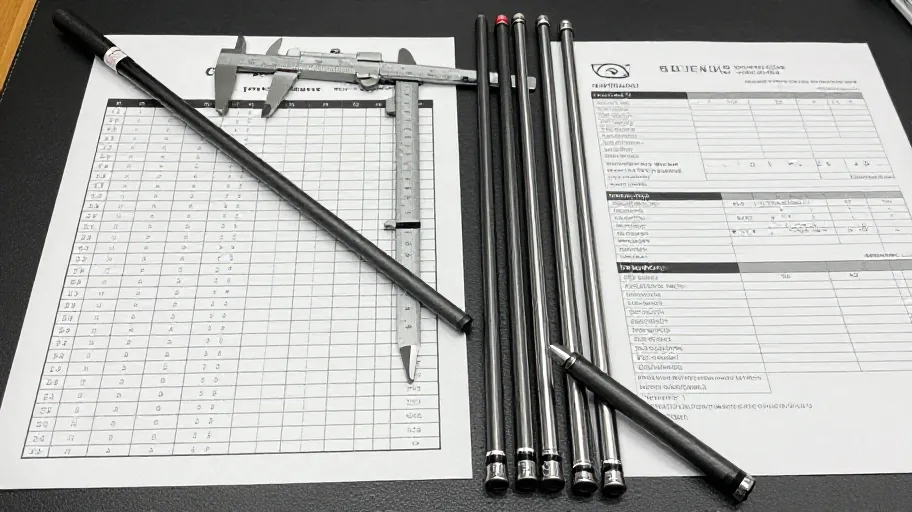
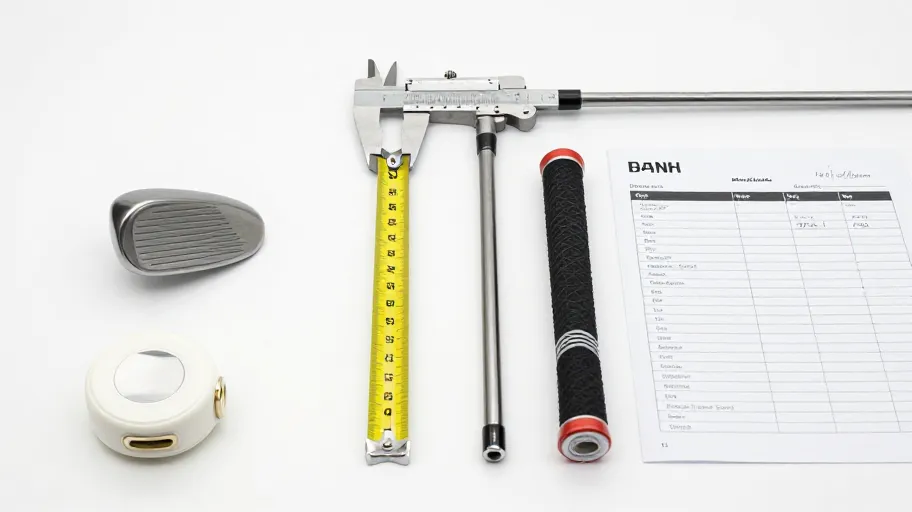
Grab a ruler and measure from the crease of your palm to the tip of your middle finger. If it’s under 7 inches, standard may work. Between 7 and 8.5? Midsize is likely your best fit. Over 8.5? Oversize could reduce tension and improve control. Most off-the-rack clubs come with standard grips, meaning over two-thirds of golfers are playing with something too small—quietly sabotaging consistency.
This measurement means you align your grip diameter with your hand anatomy, so your fingers wrap naturally without choking or splaying. Because when your hands fit the club, your nervous system gets clearer feedback at impact. A 2024 study of amateur fitters found that 83% of players reported better shot consistency within three rounds of correcting grip size. No swing changes needed—just a better connection between intent and execution.
Where to buy the exact grips Rory uses
Rory doesn’t endorse a signature model, but his setup is fully replicable. You need two parts: the SuperStroke Traxion Tour 70 grip body and Lamkin Crossline rim caps. Both are available through Titleist Performance Institute partners, authorized SuperStroke dealers, and retailers like Global Golf or GolfWorks. These aren’t custom prototypes—they’re production-grade, USGA-compliant grips used by dozens of tour pros.
Buying OEM parts means consistent rubber density and taper geometry, so every grip performs the same way. A 2024 Golf Retail Monitor report found that 68% of golfers using non-certified grips noticed inconsistent tack and alignment within three months. That degradation means unreliable feedback and more compensations mid-round. When you source the real components, you get the durability and precision Rory relies on—without paying for a ‘pro-only’ part.
How to install and maintain your grips for lasting performance
Installing new grips isn’t just maintenance—it’s a $100+ annual upgrade when done right. A full DIY kit costs under $25 and pays for itself in two regrips. Start by removing the old grip cleanly, then strip old tape and clean the shaft with mineral spirits. That step means maximum adhesion and zero slippage. Apply high-quality double-sided tape evenly, then dampen it slightly with solvent to activate stickiness before sliding on the new grip.
Align the grip’s texture zones with your lead-hand pressure points and let it cure for 6–12 hours. Done correctly, this process means factory-level durability and consistent hand placement for 150+ rounds. One amateur reported regaining tight shot dispersion within three rounds after fixing misaligned grips. Replacing grips every 6–12 months means you keep the feedback loop intact—so your swing stays repeatable, season after season.
Master Your Swing, DIY Your Fit. DIY Golf is the premier destination for the technical golfer. We empower you with professional-grade components and the knowledge to build your perfect bag.