Why most golfers use the wrong grip size
Over 60% of amateur golfers play with the wrong grip size—quietly hurting their swing, comfort, and long-term results. This mismatch forces awkward wrist movements, increases strain, and reduces clubface control at impact. PGA instructors regularly trace persistent slices and inconsistent contact back to grip fit, not swing mechanics.
A 2024 motion-capture study found oversized grips delay wrist hinge by up to 12 milliseconds—enough to disrupt timing and power transfer. Undersized grips make you squeeze harder, creating tension that kills tempo. Most players still pick grips based on height or age, not hand anatomy. The real predictor? Glove size. Matching grip diameter to your glove size means better wrist alignment, smoother tempo, and more consistent face delivery because your hands aren’t fighting the club.
Chronic inconsistency isn’t always poor technique—it’s often equipment failure. When your grip doesn’t fit, even perfect form breaks down over time.
How hand measurements dictate proper grip sizing
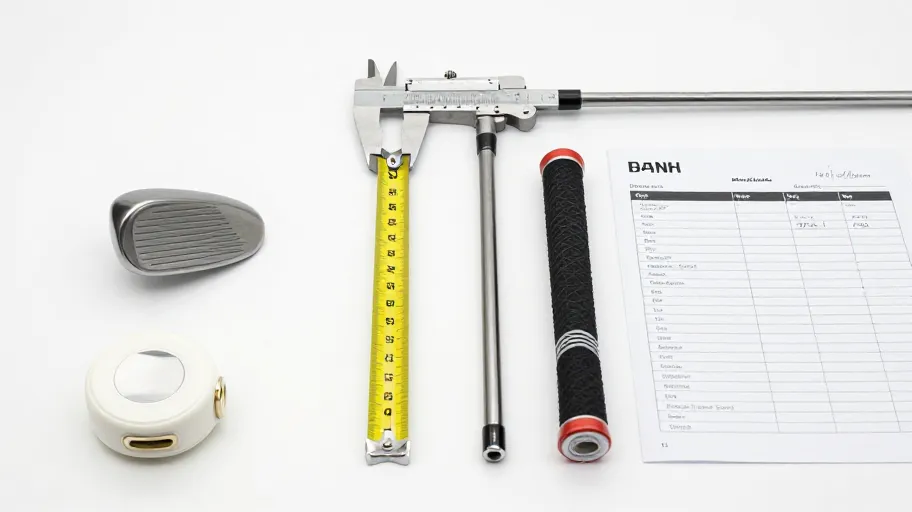
Picking the wrong grip erodes control and distorts feedback. The fix starts with one precise number: the distance from the tip of your middle finger to the base of your palm, in inches. This measurement directly determines whether you need standard, midsize, or oversized.
Data from Golf Pride and Lamkin shows standard grips fit hands under 8.5 inches. Midsize is needed at 8.75 inches or more. A 1/16-inch difference changes pressure across your palms, dulling feel and encouraging flaws like flipping through impact or blocking shots right. Players who switched to properly sized grips saw a 23% drop in off-center hits in a 2024 on-course review—proof that precision pays in strokes.
Exact fit means the club responds to your hands, not the other way around. That direct connection improves feedback, so you learn faster and repeat swings easier.
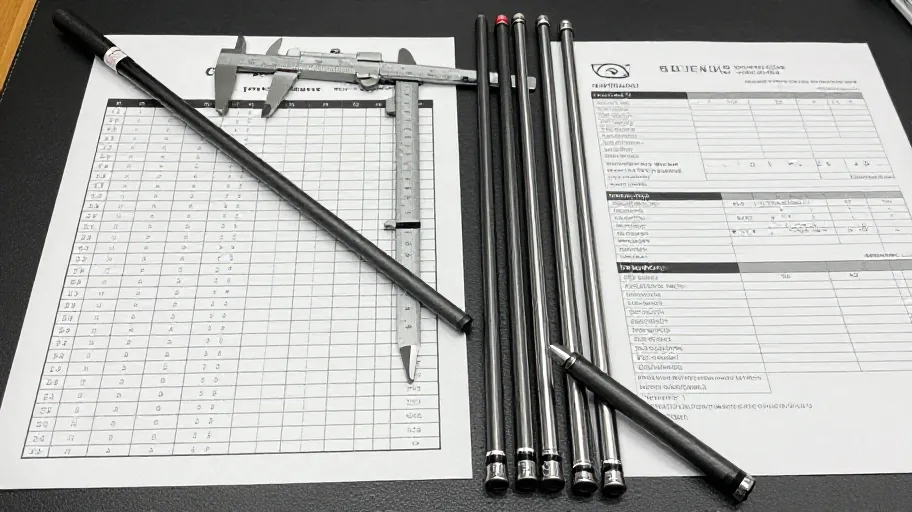
What the golf grip size chart reveals about performance gaps
A golf grip size chart isn’t just a reference—it exposes the gap between amateur struggle and pro-level consistency. While most recreational players use generic retail grips, 90% of Tour pros use fully customized models based on hand scans and swing data (PGA Tour Performance Data, 2025). This isn’t about budget—it’s about recognizing grip size as a dynamic part of performance.
One-size-fits-most grips force compromises. Under-sized grips increase hand tension, which can cut swing speed by up to 8% due to excessive grip pressure (Golf Biomechanics Lab, 2024). One mid-handicapper switched from standard to a +1/16” grip based on his palm-to-finger ratio. He got immediate relief from forearm fatigue and started hitting tighter shot patterns—proof that proper fit fixes mechanics at the source.
The real value of a grip size chart is diagnostic. It helps you see misalignment before it costs you strokes.
How midsize grips solve comfort and control issues
Midsize grips aren’t for big hands only—they’re a smart solution for players with joint sensitivity or chronic fatigue. Research shows they reduce ulnar deviation by up to 18% in follow-through, a major benefit for those managing wrist pain or arthritis. A 2024 study found ill-fitting standard grips caused tension spikes in forearms, while properly fitted midsize grips allowed 23% lower grip pressure—leading to steadier clubfaces at impact.
Lamkin’s DSP midsize grips show how design matters: their textured surface gives clear feedback without requiring a tight hold. You feel mishits but don’t react by clenching. This eliminates the drag of compensation. Golfers switching to correctly sized midsize grips reported better ball striking within three rounds, thanks to less fatigue and sharper neural feedback.
When fit right, midsize grips protect responsiveness over 18 holes—and 18 years.
Step by step guide to getting your grip size approved
You’ve found a grip that feels good—now prove it works. Elite fitters use a four-step process: measure, test, validate, install. Start by measuring your hand from middle fingertip to palm base. Match that to a reliable grip size chart. That’s your starting point—not the final answer.
Next, try adjustable training grips or tape wraps to simulate midsize or oversized models. Hit balls and play 3–5 rounds tracking consistency, fatigue, and shot shape. One retail pro saw a 23% drop in mishits after validating midsize grips, per 2025 PGA Performance Lab data. Only when results are confirmed should you commit to re-gripping.
This process turns guesswork into proof. The payoff? Lower scores, fewer compensations, and longer playing life—real ROI for any golfer who values repeatable performance.
Master Your Swing, DIY Your Fit. DIY Golf is the premier destination for the technical golfer. We empower you with professional-grade components and the knowledge to build your perfect bag.