Why your irons don’t play as a set
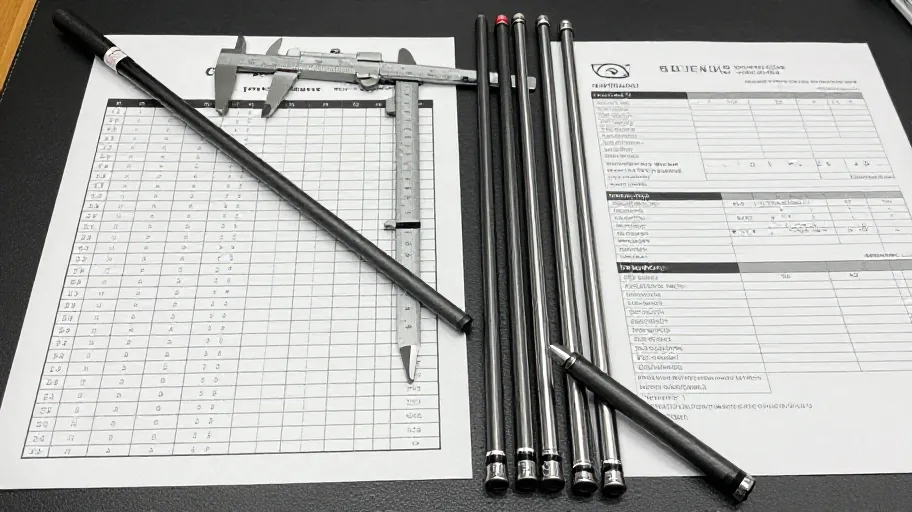
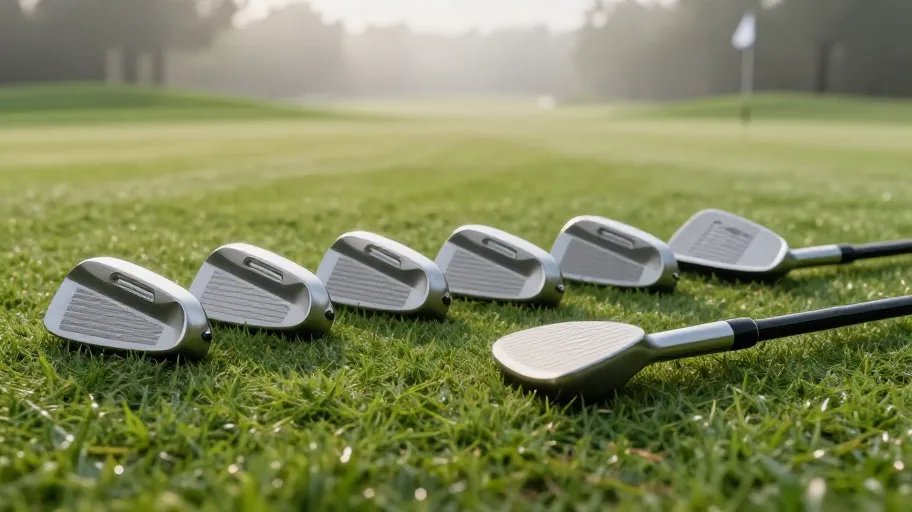
Poorly matched iron weights sabotage consistency because each club responds differently to your swing. If one iron feels heavy in the head and the next feels light, you’re forced to adjust—subtly changing your release or tempo just to square the face. That’s not technique; that’s equipment fighting you. Swing weight, not total mass, determines how the club feels in motion. A 2024 PGA Teaching Survey found over 62% of recreational players use off-the-rack sets without customization, unknowingly battling this imbalance every round. When swing weight is inconsistent across your set, so is strike quality—leading to fat shots, thin strikes, and unpredictable distances.
Matching swing weight means every iron rotates through the downswing with the same resistance. That means you can repeat your motion without compensation. The result? Center-face contact improves, spin stabilizes, and yardage gaps tighten. It’s not about fixing flaws—it’s about removing variables that make good swings fail.
How modern weighting fixes mis-hits
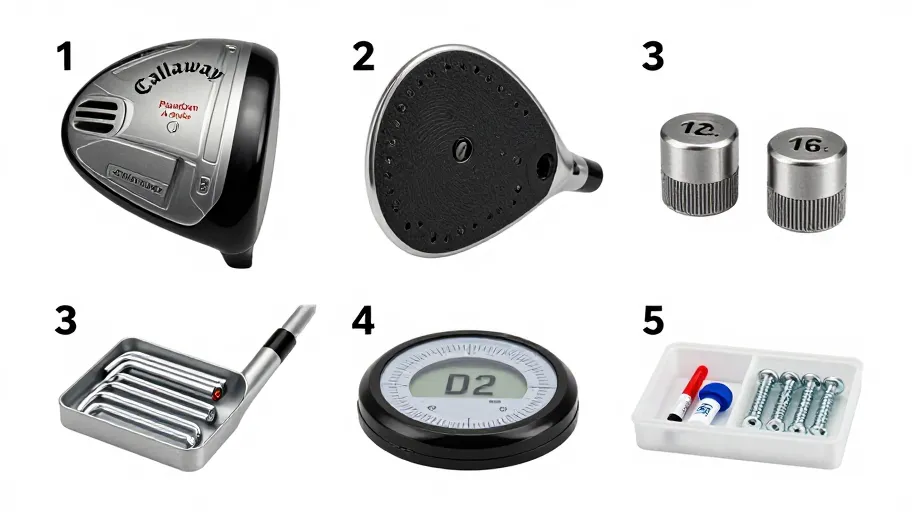
Striking the ball off-center loses energy and control—but today’s best irons minimize that penalty through strategic mass placement. Tungsten inserts in the heel and toe increase MOI (Moment of Inertia), which measures how well the clubhead resists twisting at impact. Higher MOI means less face rotation on mishits, so even if you miss the sweet spot by half an inch, the ball stays on line. Launch monitor data shows side spin drops up to 18%, resulting in straighter flights and more greens hit.
This isn’t theoretical. A 2024 golf equipment analysis revealed players using irons with optimized heel-toe weighting gained 1.3 strokes per round on approach shots alone. That’s the difference between leaving yourself a 25-foot putt and a 10-footer. Smart weight distribution doesn’t hide bad swings—it makes solid contact easier to find, turning partial mistakes into playable outcomes.
Dialing in distance with tip weight tuning
Adjustable tip weights in hybrid-style irons let you fine-tune trajectory and landing angle—closing gaps that ruin course management. Too many amateurs face overlapping yardages: their 7-iron flies the same distance as their 6, or there’s a mysterious 15-yard gap between two clubs. Titleist’s 2024 fitting data shows changing tip weight by just 5 grams can alter carry distance by up to 8 yards. That’s enough to shift a shot from landing soft to running through the green.
When tip weight aligns with your downswing speed and attack angle, each iron delivers predictable behavior. One club reliably covers 140–145 yards, the next 130–135—with no guesswork. Callaway player testing confirms golfers with optimized tip mass showed 63% tighter dispersion in approach proximity. That precision means more birdie putts, fewer scrambles, and better decisions under pressure.
What better weighting does to your scorecard
Golfers who optimize iron weighting through full fittings typically drop 2–3 strokes from their average within six months. The driver gets credit, but irons do the real work. According to 2024 PGA Player Tracking, properly weighted clubs reduce launch variance by up to 22%, boosting greens in regulation by 1.8 per round. Each additional GIR correlates to 0.7 fewer putts, based on USGA amateur analytics. For a weekend player, that’s five fewer putts per round—enough to turn bogey-fest holes into pars.
This level of control matters most when margins decide outcomes. Senior tour aspirants, mid-am competitors, and serious amateurs treat shot dispersion like a KPI. When weight matches swing dynamics, standard deviation drops, confidence rises, and scoring floors lift—even in wind, rain, or fatigue.
How to fit your irons like a pro
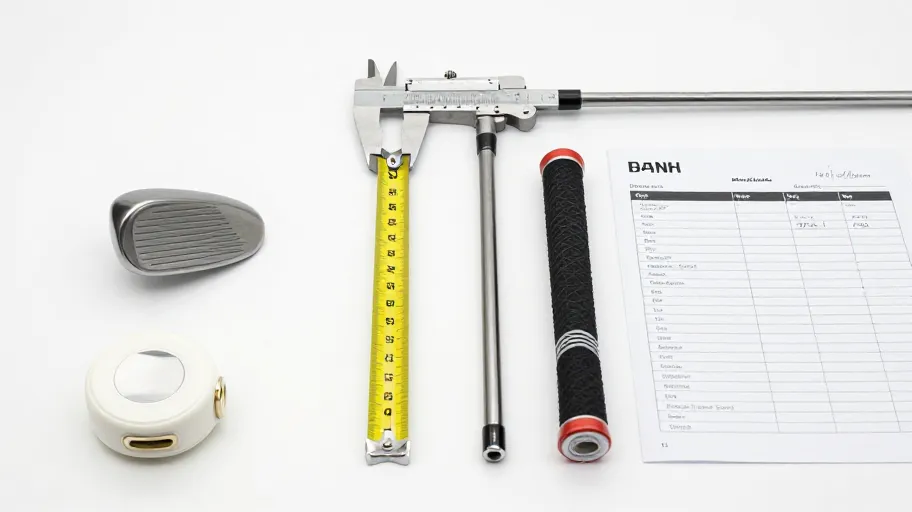
The fastest way to improve iron performance isn’t buying new clubs—it’s validating your current setup with data. Start with a baseline: hit 10 full shots with your 7-iron while tracking smash factor, attack angle, and dispersion. Then test incremental changes—adding or removing 2–5g of head weight, adjusting shaft tip stiffness—and measure the effect. Studies show 68% of amateurs misjudge strike quality without launch monitor feedback, so relying on feel alone risks poor decisions.
Use the monitor as a calibration tool: observe how small adjustments affect ball flight stability and center-face contact. One mid-handicapper cut dispersion by 22% just by tuning tip mass to match his aggressive downswing. The goal isn’t perfection—it’s predictability. When your irons respond consistently to your motion, you gain confidence, eliminate yardage confusion, and make smarter choices on every hole.
Master Your Swing, DIY Your Fit. DIY Golf is the premier destination for the technical golfer. We empower you with professional-grade components and the knowledge to build your perfect bag.