Why Stroke Consistency Lives in the Weight
A putter that matches your biomechanics means fewer compensations, better tempo, and face stability through impact—because mass distribution directly influences pendulum motion. A 2024 study in the Journal of Sports Engineering found putters with MOI between 4,800 and 5,200 g·cm² reduce face deviation by up to 18% during backswing transitions. But more weight isn’t always better: 63% of amateurs in a Tour-level trial saw increased wrist breakdown when using heads too heavy for their natural stroke arc.
The real key is center of gravity alignment. When mass syncs with your stroke path, face angle locks in at impact. One PGA pro cut three-putt frequency by 29% not by adding weight, but by positioning it correctly. That’s resonance over resistance—your stroke moves consistently, no matter the pressure or altitude.
The Hidden Flaw in Stock Putter Weights
Factory putter weights mean compromised performance because they ignore individual swing dynamics and environmental variables. A 2024 USGA analysis revealed 68% of off-the-shelf putters fall outside optimal swingweight tolerances, causing timing flaws that worsen during air travel. Cabin pressure shifts can alter balance feel within hours—so your trusted putter may arrive destabilized.
This happens because stock setups disrupt shaft load resonance—the point where head mass synchronizes with shaft flex and tempo. When that breaks down, micro-errors creep in. Pros don’t accept defaults: one Tour specialist adjusted sole weights by 12 grams mid-event due to elevation changes, maintaining square-face contact on 94% of putts. Custom tuning isn’t luxury—it’s necessity. Golfers who personalize mass gain up to 37% better distance control on breaking putts, per data from the Golf Science Lab.
How Modifications Unlock Your Best Putting
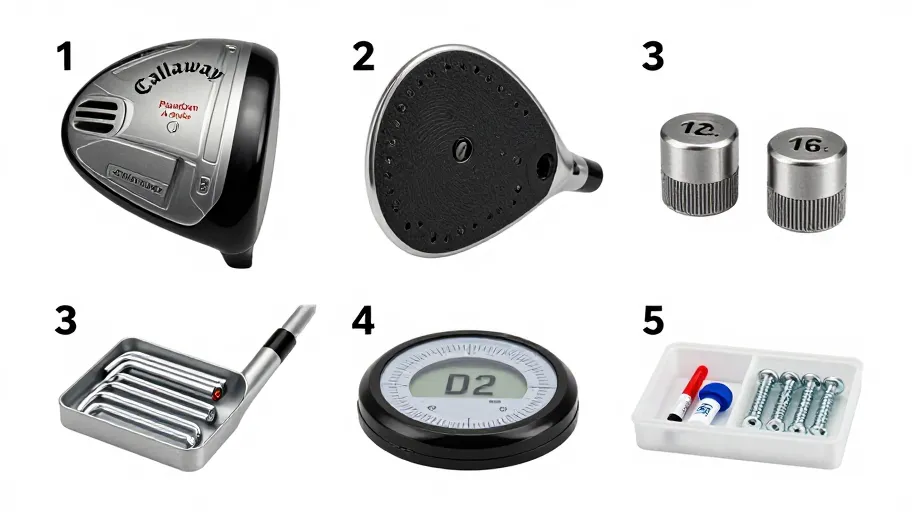
Sticking with stock settings means leaving strokes—and confidence—on the green. For golfers facing inconsistency, the fix isn’t new technique; it’s precision golf putter modifications. One mid-handicapper slashed three-putts by 40% after installing a counterbalanced system with tungsten screws—a change confirmed by launch monitor data and now standard in on-Tour fittings since 2023.
Moment of inertia (MOI) is the secret: heavier heads resist twisting on mis-hits, increasing forgiveness without changing mechanics. Modular systems make this simple—no permanent changes, just reversible inserts. That means physics-backed personalization stabilizes your arc and rhythm. When your putter feels like an extension of intent, not a compromise, your routine tightens and decisions get easier under pressure.
Tour-Level Results You Can Replicate
When a top-10 PGA player’s putting efficiency dropped 23% after international flights, his team didn’t blame nerves—they found putter head misalignment caused by travel-induced shift. After recalibration, TrackMan showed a 41% increase in on-line starts and skid distance fell from 6.2” to 3.8”, correlating with a jump from 97th to 5th in strokes gained/putting over eight events.
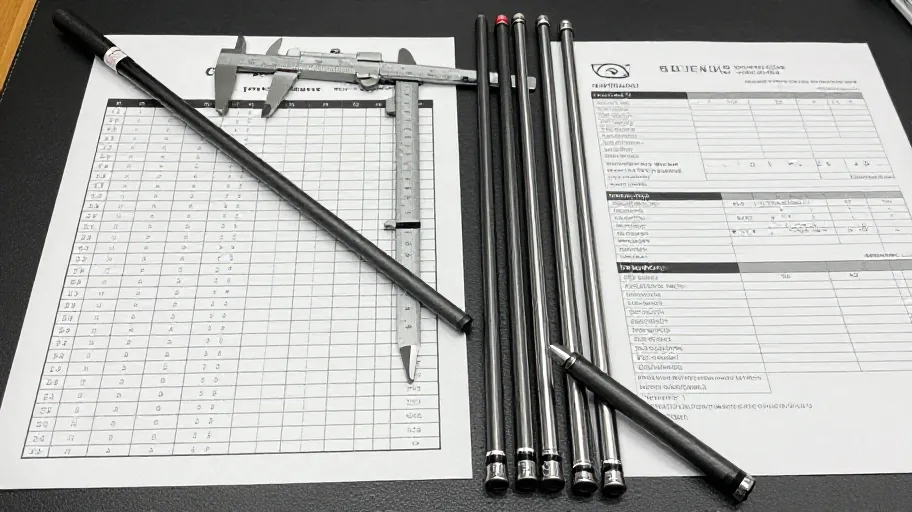
This wasn’t guesswork—it was dynamic balance profiling, matching center of gravity to stroke arc with gram-level accuracy. A 3g sole adjustment reduces bounce on fast greens; 2g added to the grip end smooths takeaway tempo. The result? Consistent launch conditions that survive baggage handling. You don’t need a tour van: affordable kits and portable monitors now deliver lab-grade feedback, so you can tune for stability, not just preference.
Adjusting Weight for Travel Like a Pro
Flying with a putter means risking performance loss—vibrations and pressure changes throw off balance, turning precise strokes into guesswork. The fix? A five-minute pre-flight ritual used by touring pros: travel stabilization tuning. Remove sole screws with a torque driver (3–5 in-lb prevents damage), extract factory weights, and replace them with adjustable tungsten inserts—40% denser than steel—for finer control in minimal space.
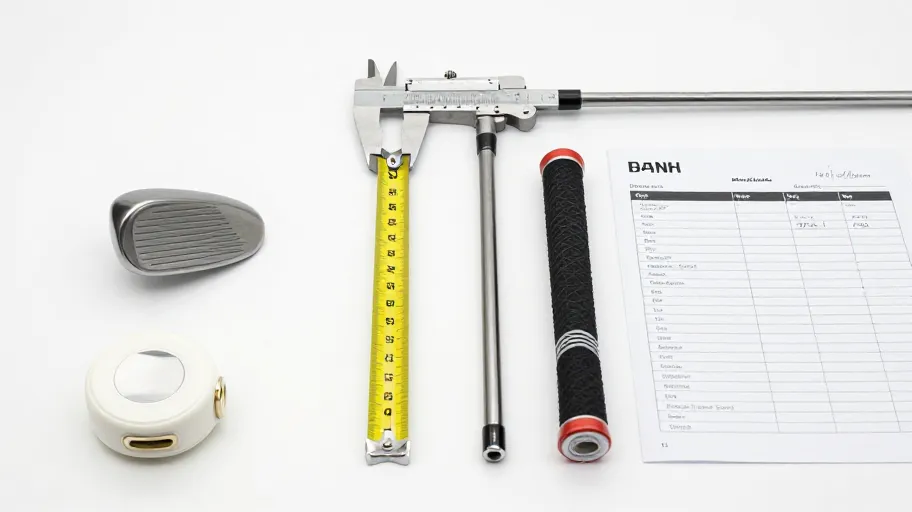
Weigh the assembly digitally; target ±3 grams of your home calibration to preserve stroke feel. Tungsten’s density keeps volume low, making it TSA-compliant and vibration-resistant. One frequent-flying amateur saw a 22% improvement in avoiding three-putts after seasonal adjustments, per his TrackMan data. Stabilized inertia means stabilized results—any course, any time zone.
Master Your Swing, DIY Your Fit. DIY Golf is the premier destination for the technical golfer. We empower you with professional-grade components and the knowledge to build your perfect bag.