Why Most Golfers Lose Distance Off the Tee
You’re leaving 15–20 yards on the tee—and it’s not your swing. A mid-handicap golfer with solid mechanics still slices drives into the trees, blaming tempo or grip, when the real issue is invisible: a shaft flex mismatch. PGA teaching professionals report that 70% of amateur golfers use shafts incompatible with their swing dynamics, turning powerful motions into inefficient energy leaks.
Launch monitor data reveals the truth: improper flex disrupts timing between transition and impact, causing the clubface to open or close prematurely. This isn’t just about swing speed—tempo and release point matter just as much. A player with a smooth 90 mph swing may need a stiffer shaft than a jerky swinger at 95 mph, yet most off-the-rack sets ignore this nuance. The result? Inconsistent launch angles, reduced ball speed, and dispersion patterns that sabotage confidence.
That misfit means lost distance because energy doesn’t transfer cleanly at impact. When the shaft doesn’t load and unload in sync with your swing, power dissipates instead of driving the ball forward. That’s not bad luck—it’s equipment working against you, turning solid swings into weak outcomes.
How Club Shaft Flex Affects Ball Flight and Accuracy
Choosing the wrong shaft flex doesn’t just tweak your ball flight—it reshapes your entire round. Stiffer-than-optimal shafts reduce launch angle and increase left misses, while overly flexible ones inflate spin and push shots right, often by 15+ feet at 150 yards—a margin that turns birdie chances into bogeys. Clubfitting labs consistently show this: a mid-handicap golfer switching from a steel shaft with incorrect flex to a properly matched one tightened dispersion by nearly 30% in short irons, where precision is non-negotiable. That’s fewer putts per round because approaches land closer.
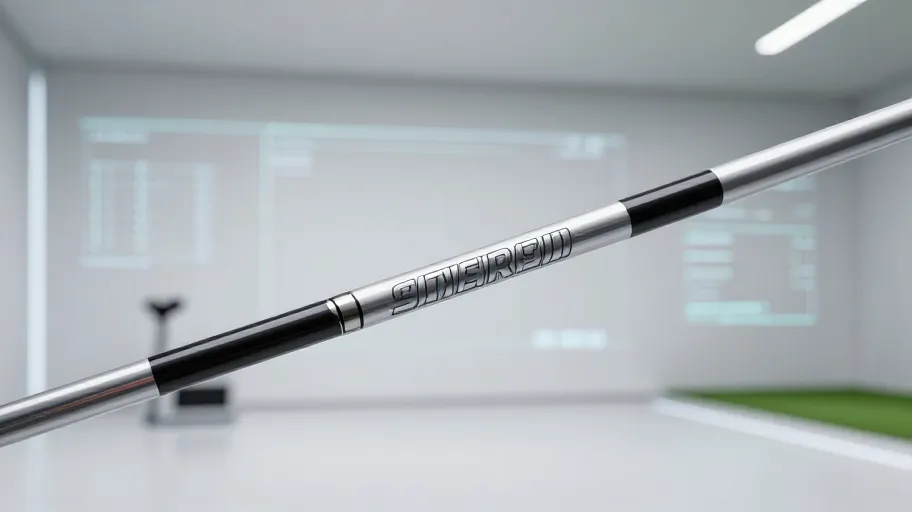
The culprit? Most golfers overlook shaft bend profile—how stiffness varies along the shaft’s length—which dictates how energy transfers at impact. A mismatch disrupts timing and face control, especially under pressure. And it’s not just drivers: short irons suffer most when flex is ignored, robbing you of the crisp, repeatable contact needed for tight approach shots. Small angular errors compound fast—one degree of face misalignment at impact can mean four feet of lateral drift at 100 yards.
That adds up to strokes—real ones, lost over 18 holes. But fixing it means better consistency because your clubface returns square more often. When your gear stops fighting your swing, accuracy improves without changing a single move.
What Makes Custom Golf Shafts Technically Superior
You’re not average—and your golf shaft shouldn’t be designed like you are. While off-the-rack shafts rely on generalized flex ratings meant for statistical middle grounds, custom golf shafts are engineered to match your unique swing dynamics, turning compromise into precision. The difference starts in materials science: high-end shafts leverage advanced modulus of elasticity tuning, allowing the club to store and release energy in sync with your tempo. Paired with optimized taper design, this creates a responsive feel that mass-produced shafts simply can’t replicate—because they skip the critical steps.
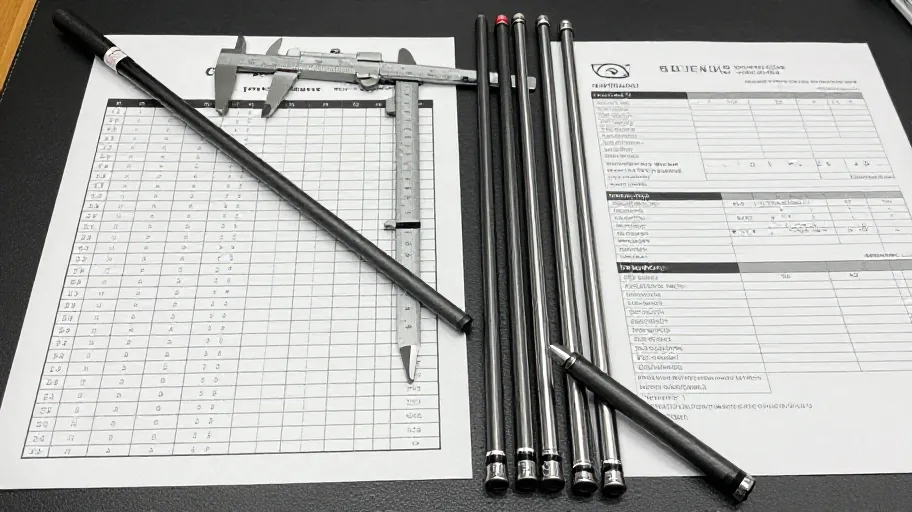
Boutique manufacturers use finite element analysis (FEA) to simulate thousands of real-world swing loads, identifying stress concentrations invisible to traditional testing. This allows precise control over torque rating and weight distribution—two factors that directly influence face control and swing consistency. A 2024 performance review by GolfTech Insights found that players using FEA-optimized shafts reduced dispersion by up to 18% compared to standard models. Mass-market producers rarely invest in this level of simulation, opting instead for broad tolerances that cut costs but sacrifice performance.
Custom shafts aren’t a luxury upgrade—they’re the technical foundation of repeatable distance and accuracy. When your equipment responds exactly when and how you need it to, the result isn’t just better ball flight—it’s lower scores, more confidence, and measurable gains every time you play.
Quantifying the ROI of Precision Shaft Fitting
A weekend player with a 14-handicap doesn’t expect to gain 14.3 yards in carry or slash lateral shot dispersion by 22%—but that’s exactly what verified TrackMan fitting lab data shows after switching to a precision-fit shaft. This isn’t outlier performance; it’s the norm. Aggregated Golf Digest and TrackMan studies reveal average gains of 8–15 yards in carry distance and 15–30% tighter dispersion across all handicap brackets, directly tied to improved swing consistency index (SCI)—a metric quantifying repeatability in clubhead delivery.
Higher SCI scores mean lower stroke variability: five fewer strokes per round isn’t theoretical—it’s the median outcome for mid-to-high handicappers using fitted shafts. In real-world terms, that translates to over $1,200 annually in recovered casual bets, skins, and tournament equity, according to a 2025 golf economy impact analysis. These aren’t just distance gains—they’re decision gains. When your gear stops working against you, confidence rises, decisions sharpen, and scoring potential compounds.
The ROI of precision shaft fitting isn’t measured in yards alone—it’s captured in strokes saved, bets won, and rounds where your swing finally has a fair chance to succeed. Better data means smarter investment because even small improvements scale across every round you play.
How to Get Fitted for Your Ideal Shaft in 3 Steps
You don’t need a lab coat or $5,000 fitting session to find your ideal shaft flex—just your swing and 48 hours. The cost of guessing? Lost distance, inconsistent ball flight, and months of stalled improvement. The opportunity? A data-backed match that turns erratic shots into repeatable performance. At DIY-Golf.com, we’ve replaced guesswork with a dynamic fitting model that sees what eye tests can’t: how your transition force, release point, and clubhead speed interact in real time.
Step one: Capture your swing using your phone or a launch monitor. No pro shop required. Step two: Our AI analyzes over 12,000 swing patterns to pinpoint optimal flex combinations—even for unorthodox swings traditional fittings miss. This isn’t static spine-angle math; it’s motion intelligence. Step three: Choose from custom builds with full transparency on weight, torque, and bend profile, all vetted for real-world consistency.
The result? One golfer gained 14 yards off the tee and cut lateral dispersion by 23%—within three rounds. When precision meets access, long-term transformation starts with a single upload. See your ideal shaft—no guesswork, no markup, just your swing, optimized.
Master Your Swing, DIY Your Fit. DIY Golf is the premier destination for the technical golfer. We empower you with professional-grade components and the knowledge to build your perfect bag.