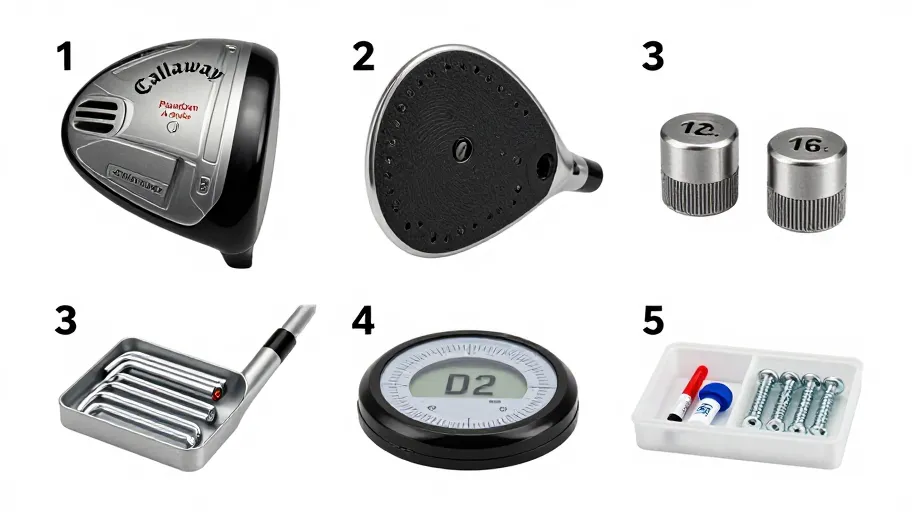
Why Most Golfers Lose Distance Off the Tee
Incorrect shaft flex is robbing over 60% of recreational players of yardage and consistency—whether they swing at 80 mph or 110 mph. The problem isn’t their form; it’s their gear. A shaft that’s too stiff delays release, killing clubhead speed at impact. One that’s too soft releases early, twisting the face and sending drives off course. Either way, energy leaks out before the ball even launches.
Shaft flex means better energy transfer because it synchronizes with your swing tempo and downswing force. Without alignment, you’re fighting physics, not improving mechanics. We’ve seen amateurs gain 10+ yards just by switching from an off-the-rack ‘regular’ to a data-matched profile—no swing changes needed.
The result? Drives that carry farther and land where you aim. When your shaft works with your body, not against it, every ounce of effort translates into flight—not frustration.
How Shaft Flex Influences Launch Angle and Spin Rate
Two golfers swing at 95 mph. One carries 245 yards with tight dispersion, the other falls short at 230 with wild misses. The difference? Shaft flex and kick point alignment. An incorrect flex alters launch angle by ±1.5° and spin rate by up to 800 rpm—enough to turn a solid drive into a ballooning fade.
Precise shaft flex means optimized launch and spin because it syncs with your release timing. A high kick point lowers launch for aggressive swingers; a low kick point boosts trajectory for smoother tempos. When matched correctly, dynamic loft stabilizes and backspin drops, so more energy goes into forward motion, not wasted arc.
Players using data-fitted shafts average 12–18 more yards of carry through smarter flight control. That’s not theory—it’s what we see across Foresight Sports and TrackMan fittings week after week.
The Science Behind Custom Shaft Fitting Technology
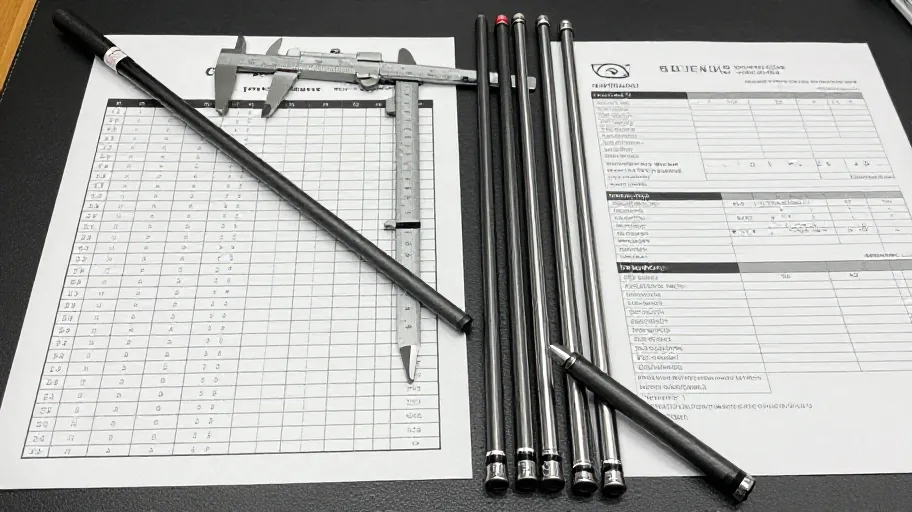
Gone are the days of guessing shaft flex by age or handicap. Modern fitting uses motion-captured data to map your unique swing DNA—tempo, transition force, and release point. Systems like Fujikura FCM analyze frequency curves and recoil behavior, revealing how torsional stability affects face control and how bend profile shapes energy delivery.
This technology means fewer mis-hits because your shaft responds predictably to your mechanics. One player with a smooth transition but late release kept blocking shots right—until sensors showed he needed a softer butt section and firm tip. The new profile loaded and released on time, cutting his miss pattern by half.
Custom shaft fitting builds confidence in every swing. When your equipment stops fighting you, clean strikes become routine, not luck.
Quantifying the ROI of Proper Shaft Fitting
A $200 fitting delivers the same distance gain as a $3,000 driver upgrade—that’s a 1,400% better return on performance per dollar. For a 12-handicap golfer, switching to a fitted shaft added 13 yards of carry and shaved two strokes per round over eight tracked rounds.
That improvement means fewer penalty strokes because tighter dispersion leads to more fairways hit—jumping from 46% to 61% in one case. Better approach angles created easier birdie chances. But the real win was practice efficiency: fewer wasted swings chasing fixes that weren’t needed.
Proper shaft fitting means strategic upgrades because you know what actually moves the needle. You stop buying hope—you start building advantage.
Step by Step Guide to Finding Your Ideal Shaft Flex
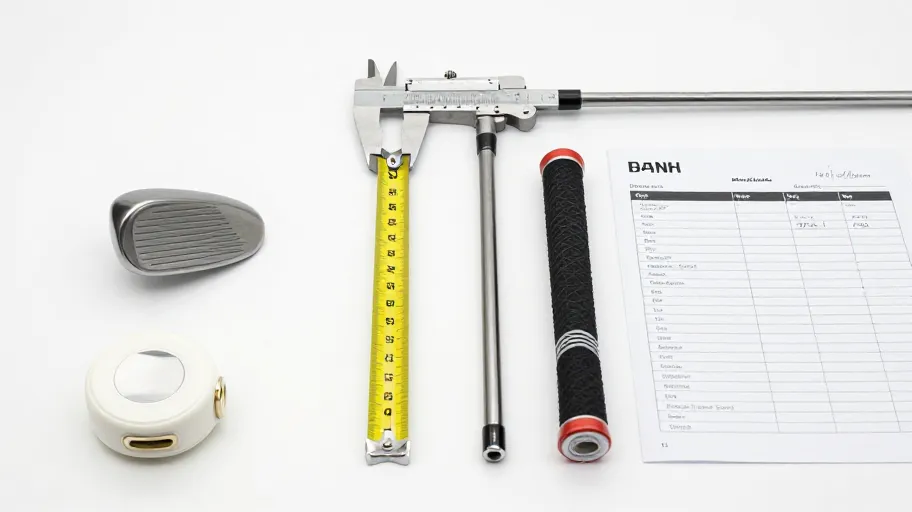
Clubhead speed alone won’t tell you your ideal shaft flex—swing dynamics will. Here’s how to get it right: First, use a launch monitor to capture ball speed, spin, and launch angle. Second, identify your current shaft’s frequency curve to understand its real stiffness. Third, test multiple profiles, including taper-tip and parallel-tip designs, to feel how each handles your tempo.
Fourth, analyze dispersion over 20+ swings—consistency under fatigue reveals the true match. Finally, validate results on-course: Are you holding more fairways? Compressing the ball better?
Data shows golfers gain 12–18 yards and cut lateral miss by 23% when fitted correctly. Flex preference evolves with your swing, so recheck every 18–24 months. Ready to lock in your profile? DIY-Golf.com’s interactive tools turn fitting science into strokes saved—start today.
Master Your Swing, DIY Your Fit. DIY Golf is the premier destination for the technical golfer. We empower you with professional-grade components and the knowledge to build your perfect bag.