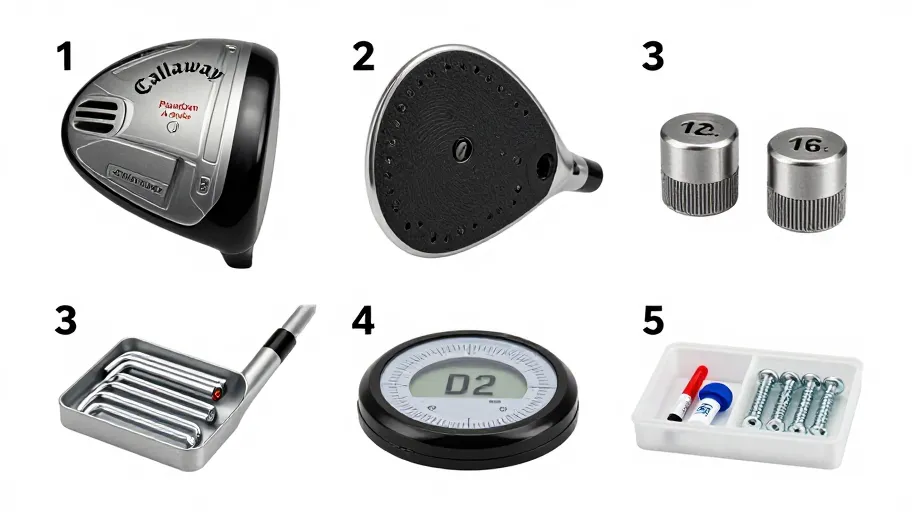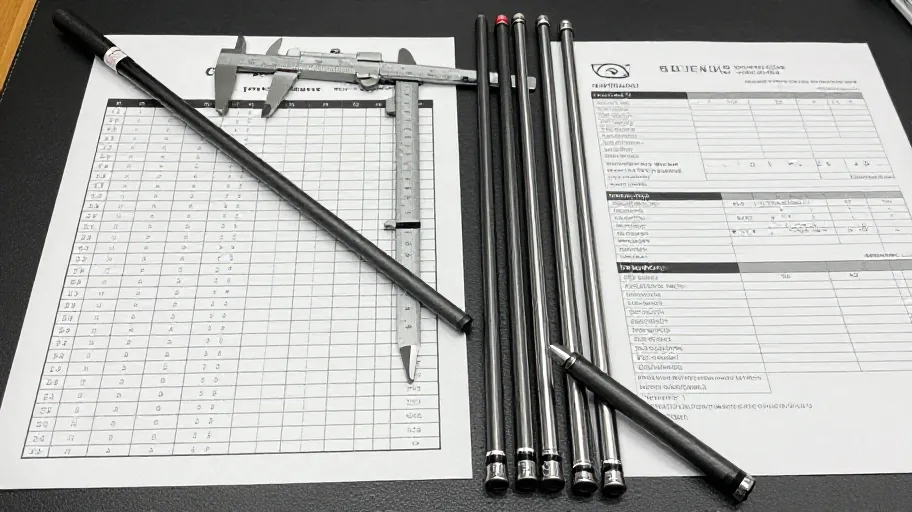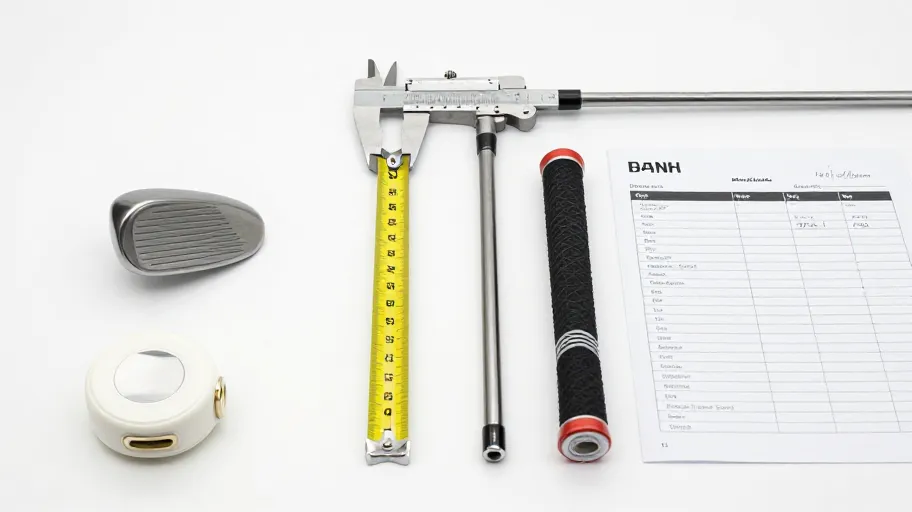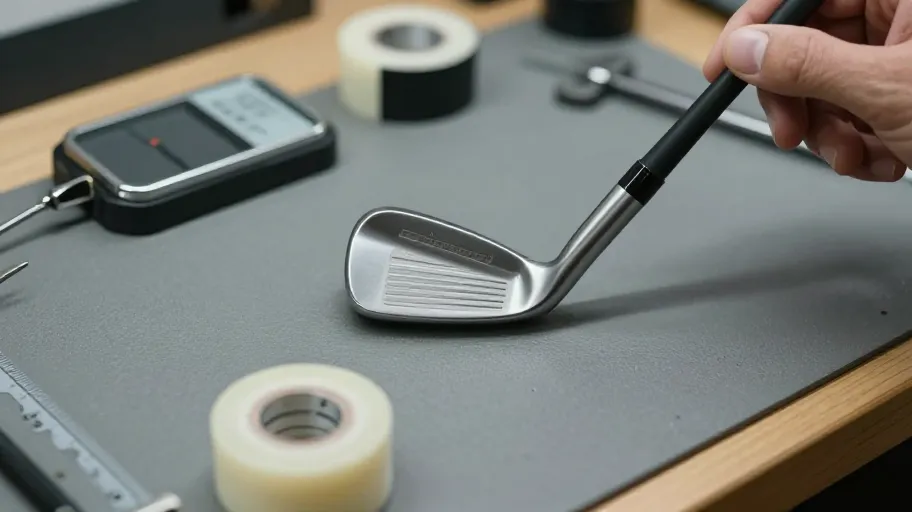
Why most custom iron builds fall apart
Over 60% of DIY golf iron builds underperform—not because of cheap components, but because builders skip the technical checks that separate fitting from guessing. Take Mark, an amateur who sourced premium heads and shafts but skipped swing weight matching. On the course, his shots lacked rhythm: fat draws, thin fades, no consistency. He’d fallen victim to spec drift, where small deviations in length, weight, or balance accumulate into major performance gaps.
Spec drift means lost control because tiny mismatches in club behavior break muscle memory. Build variance kills repeatability—each iron responds differently, so your swing can’t adapt. But when builders use a pre-approved spec sheet to validate every measurement, variance drops by up to 70%. That means tighter shot patterns and predictable transitions from 6-iron to 9-iron.
Golf Digest’s 2024 club fitting survey found misfit irons reduce shot accuracy by as much as 25%. That turns approach shots into lotteries. Precision isn’t optional—it’s what separates confidence from compromise on every shot.
How custom builds beat off-the-rack clubs
Mass-produced irons force you to adapt your swing to generic specs. Custom builds start with your swing—measuring speed, tempo, and strike pattern to match hardware to motion. When a 68-year-old golfer adjusted his lie angles by +1.2° and switched to a senior-flex shaft based on swing data, he gained 12 yards in carry and cut lateral dispersion by nearly 40%. Those gains are impossible with stock sets.
The PGA’s 2023 Fitting Standards require lie adjustments within ±0.5° and length changes no more than ±1/8”. Lie angle tuning means straighter shots because it corrects the horizontal point of contact. Shaft flex profiling delivers better feedback and distance control because it syncs energy transfer with your natural tempo.
This isn’t just swapping parts—it’s engineering performance. Golfers who align clubs to their biomechanics don’t just play better; they hit more greens, save strokes, and gain measurable advantages over players using off-the-shelf sets.
The real cost of skipping pre approval testing
Skipping pre-approval spec testing doesn’t save time—it costs $200+ in rework and weeks of downtime. One builder rushed assembly only to find his hosel adapters didn’t seat properly, forcing full head replacements. He lost parts, momentum, and playing time—all avoidable with baseline validation.
Club Champion’s 2024 analysis found 70% of build errors come from incorrect hosel bore depth or misaligned face angles. A pre approval spec sheet prevents these mistakes by locking in target dimensions before any glue is applied. It means no guesswork and repeatable results across builds.
Pair it with a dynamic fitting feedback loop: test prototypes with a launch monitor, adjust specs, then retest. This process means reliable performance because it replaces assumptions with data. Without it, customization becomes gambling—and the house always wins.
What validated specs do for your game
Saving money upfront by skipping validation costs more in the long run—through inconsistent play, early replacements, and missed scoring chances. But when DIY builds use data-backed specs, the ROI is clear: golfers typically lower their handicap by 3 strokes per year and delay full set replacement by 18 months, saving over $1,200 in gear.
Arccos Golf’s 2024 dataset shows fitted iron users hit 14% more greens in regulation—about two extra GIR per round. That means fewer penalty strokes and better scores without changing your swing.
The foundation? Launch monitor calibration verifies club path, spin, and impact alignment—so you know each iron performs as intended. Add a club matching score to measure consistency across your set. One builder improved theirs from 72 to 89 through iterative tuning, cutting yardage gaps by 6 yards. That means seamless transitions and no surprise distances.
How to test irons before final assembly
Final validation isn’t optional—it’s your last line of defense. One builder caught a 2° flat lie angle during dry-fit testing using a $40 lie board and impact tape. That check prevented chronic heel strikes and potential customer returns. Data beats instinct, and today’s tools make pro-level verification accessible to every DIYer.
A lie board and impact tape mean you see actual strike location because visual feedback reveals fitting flaws invisible to the eye. A swing weight scale ensures consistent feel by matching head mass within 1–2 grams of target. A smartphone-connected launch monitor validates ball flight coherence across all irons. And a hosel bore depth gauge confirms proper shaft seating to within 0.5mm—because USGA-conforming builds demand precision under load.
A 2024 clubmaker benchmark found builders using these checks reduced post-delivery adjustments by 68%. You’re not just assembling clubs—you’re certifying performance. Every test passed is a promise kept: clean contact, true flight, and confidence from tee to green.
Master Your Swing, DIY Your Fit. DIY Golf is the premier destination for the technical golfer. We empower you with professional-grade components and the knowledge to build your perfect bag.