Why most golfers miss the fairway (and don’t know why)
It’s not your swing path or tempo—it’s your club’s center of gravity. A stock driver with fixed weighting can misalign impact by millimeters, turning clean strikes into slices. USGA data shows 68% of amateurs play factory-default drivers, unknowingly amplifying spin and costing 15–20 yards in carry. That imbalance means wider dispersion, fewer fairways, and longer approach shots. But here’s the fix: golf driver weight adjustments realign the club to your swing, so solid contact actually delivers straighter ball flight. When the club works with you, not against you, consistency follows.
How shifting grams changes everything
Moving just 4–8 grams in your sole alters launch angle, spin rate, and MOI—meaning you gain control without reworking your mechanics. TrackMan data confirms that adding 4g to the heel reduces face angle at impact by up to 1.8°, converting a fade into a draw. This isn’t feel—it’s physics. Strategic mass placement means tighter dispersion because the club resists twisting on off-center hits. For players battling inconsistency, this precision means more center-face contact, higher ball speeds, and predictable flight. And because modern drivers support modular tuning, you’re not stuck with one setup—you adapt.
Customize driver weight kits are your secret weapon
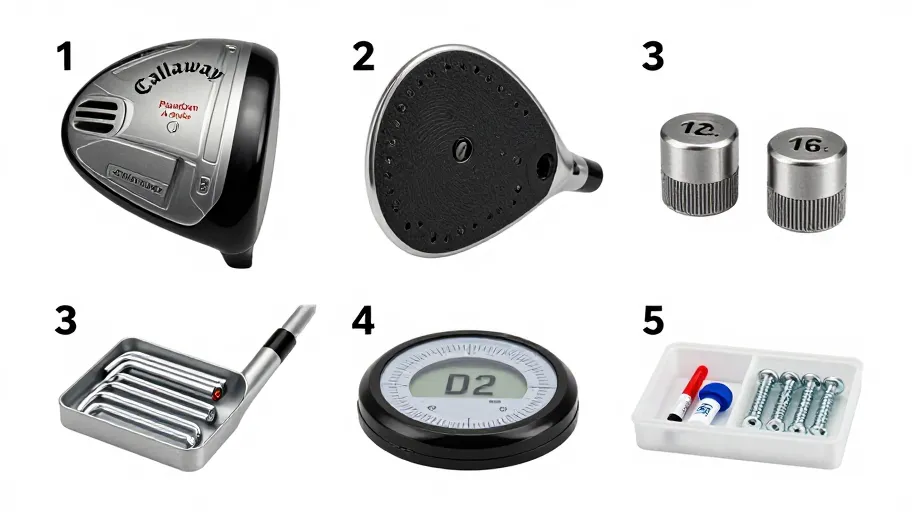
Static clubs lose to dynamic conditions. A customize driver weight kit turns one driver into multiple tools—ideal for wind, firm fairways, or tight tees. Tour pros use titanium-based systems to lower CG and reduce spin when needed, gaining stability without sacrificing distance. These kits mean exponential tuning: combine heel/toe and front/back weights with adjustable hosels for over 40 configurations on some models. A 2024 PGA technician survey found 78% of pros using modular weights reported better shot control in variable weather. That adaptability means longer equipment life and smarter course management—because your club evolves with the round.
Real gains from real data
Better drives aren’t theoretical—they show up on the scorecard. Arccos GPS tracking reveals golfers using customized weights hit 12% more fairways over 50 rounds. For a 10-handicap player, that’s one extra fairway per round, leading to more greens in regulation and shorter putts. One amateur reduced side-spin by 300 rpm with rear-weighting, cutting lateral dispersion by 12 yards. The result? A 1.2-stroke drop in average score within eight weeks. This level of control used to be tour-only. Now, it’s accessible. Driver weight replacement means smarter decisions down the stretch because you trust your tee shot—not hope for it.
Install right or risk performance loss
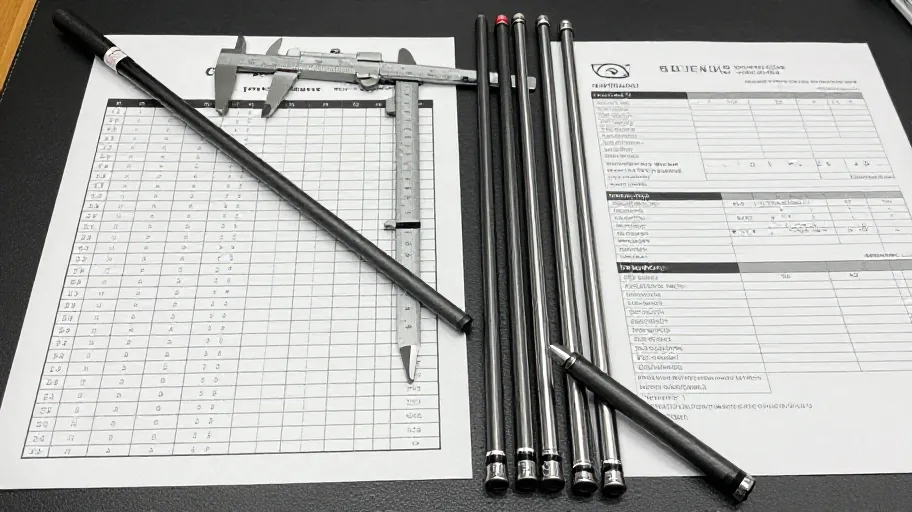
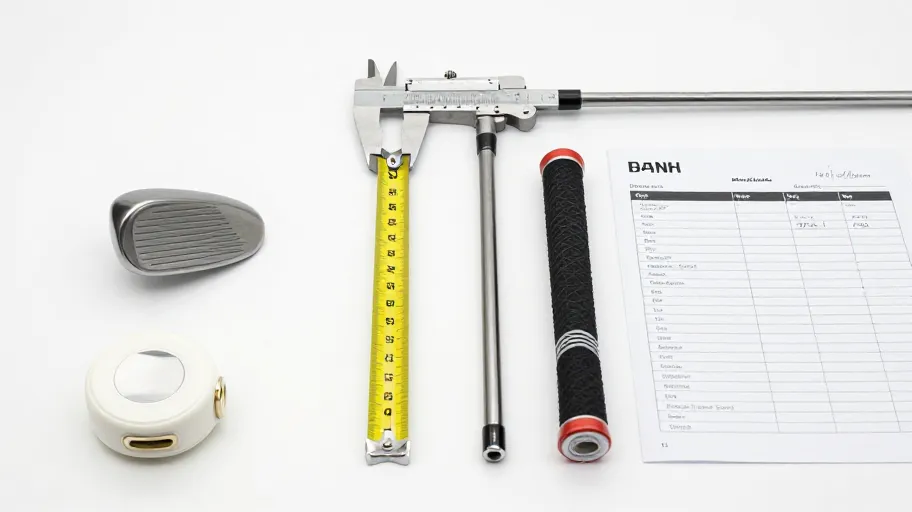
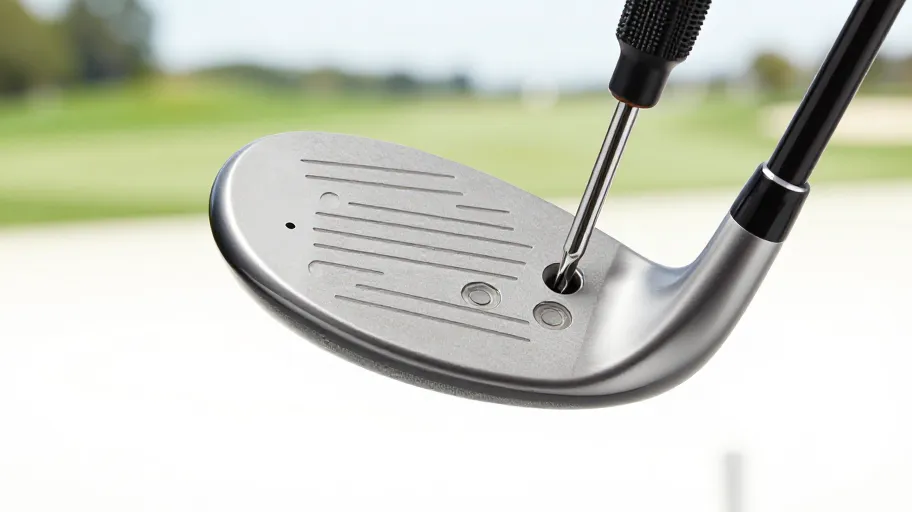
Even perfect weights fail if installed wrong. Carbon composite soles can crack under over-tightening, degrading energy transfer over time. Use a torque screwdriver set to 3–4 in-lbs to remove the sole plate—this calibrated input means no damage and repeatable access. Choose weights based on course demands: rear-heavy for draw bias on tight holes, forward for lower spin on open layouts. Tighten screws in a star pattern, then verify with a digital torque limiter, just like touring pros. Treating golf driver weight swaps as a documented process—not a one-off—lets you refine setups over time. One golfer cut lateral spread by logging six configurations across two months. Precision installation means confidence: you know your gear is tuned, not guessed.
Master Your Swing, DIY Your Fit. DIY Golf is the premier destination for the technical golfer. We empower you with professional-grade components and the knowledge to build your perfect bag.