Why Tiny Weights Move Big Numbers
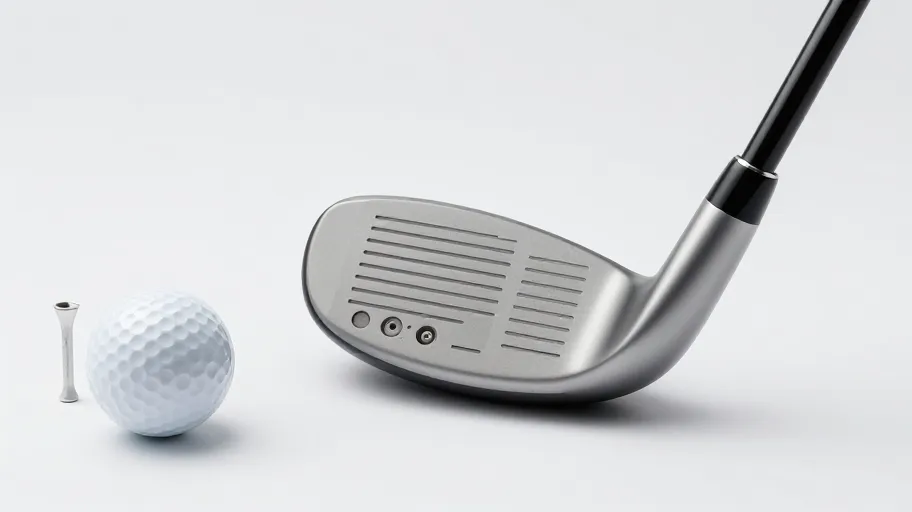
Shifting 2–8 grams inside your driver repositions the center of gravity, which means you can lower spin by 300–500 rpm or boost launch height—without changing your swing. That rearward weight shift means higher carry and flatter trajectory because impact dynamics favor energy retention. For golfers fighting slices, heel-side weighting promotes earlier face closure, so you pull more drives into the fairway. This isn’t subtle tuning—it’s a direct lever on ball flight. Because mass placement affects moment of inertia, even off-center hits stay straighter, meaning better consistency across real-world swings.
Stock Drivers Leave Distance on the Table
Stock configurations are built for the average golfer, not your unique angle of attack or release timing. That one-size-fits-most setup means 70% of players launch too high or spin too much, sacrificing roll-out and control. Moving sole weights forward means improved forward CG alignment because it encourages a more neutral impact position. One mid-handicap player gained 12 yards in ground carry after this change—pure efficiency from better strike quality. Custom weighting doesn’t just refine results; it recalibrates physics to match your motion, so energy transfer improves even when ball speed stays flat.
Real Tools for Real-Time Adjustments
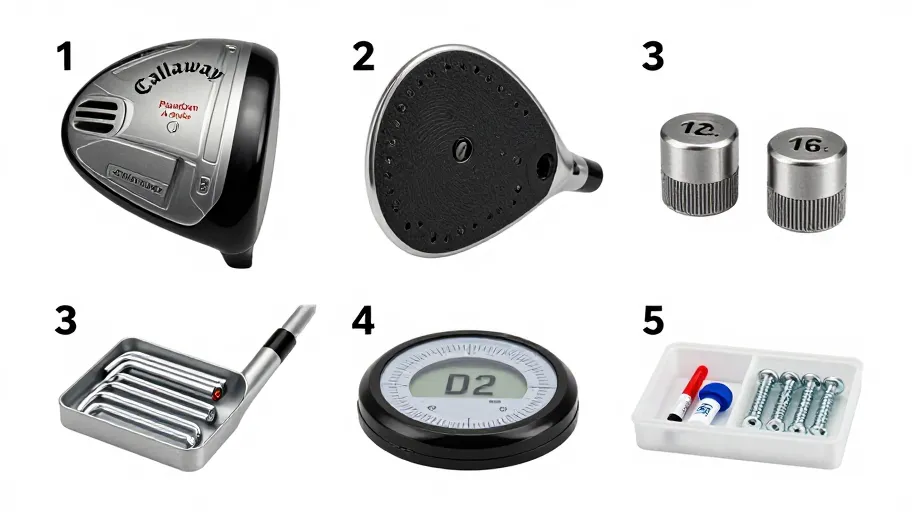
Modern drivers from TaylorMade and Callaway feature tool-free weight ports with hex locks, so swapping weights takes under a minute. That means you can test setups during warmups like software updates for your swing. The adjustable driver weight kit means rapid iteration because you’re no longer locked into a factory default. Systems like Callaway’s T2 Sole Weight System let you isolate variables—say, back-weighting for launch—so cause and effect become clear. USGA-compliant and tournament-legal, these designs mean zero risk and full adaptability. Your driver evolves as your swing does, because modular engineering replaces static hardware.
The Real Cost of Ignoring Your Setup
For a golfer playing 30 rounds a year, poor launch conditions can cost $1,200 annually in lost balls and extra strokes. Arccos Golf data shows optimized weighting cuts missed fairways by 18–25%, which means fewer penalties and shorter approach shots. That 22% reduction in lateral miss for one regional sales director meant three fewer strokes per round within weeks—because tighter dispersion comes from design, not luck. An $80 weight kit acts as a force multiplier: it means better decisions off the tee because confidence grows from repeatable outcomes. This isn’t gadgetry—it’s stroke prevention engineered into your gear.
How to Tune Like a Pro
Start neutral: hit five shots with a launch monitor or on-course markers to baseline your flight. If you fade, shift weight to the heel—it means earlier face rotation because torque at impact is reduced. For low launch, add rear weighting; that increases MOI and pop without hurting stability. Change only one variable at a time, because isolating adjustments reveals what actually works. Mark your winning combo with colored tape—tour pros do it trackside—so you lock in gains. A 2024 PGA survey found 78% of touring players reset their weighting quarterly, which means they treat clubs as dynamic tools. When done right, driver weight replacement means maximum distance control isn’t random—it’s repeatable by design.
Master Your Swing, DIY Your Fit. DIY Golf is the premier destination for the technical golfer. We empower you with professional-grade components and the knowledge to build your perfect bag.