Why stock drivers fail most golfers
Most golfers struggle with inconsistent drives not due to swing flaws alone, but because stock drivers force their motion to adapt to fixed, one-size-fits-all weighting. A 2024 PGA Equipment Fitting Report found over 70% of amateurs and nearly 30% of touring pros still use off-the-rack models despite measurable gaps in launch consistency and dispersion.
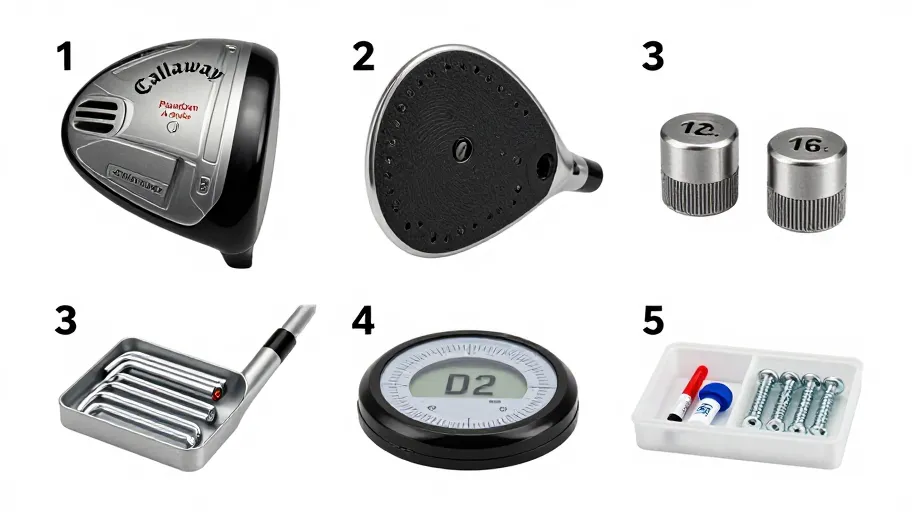
Fixed weight distribution misaligns with individual swing dynamics—especially attack angle and tempo—leading to unstable launch conditions. For example, a player with a steep downswing may experience ballooning shots or excessive spin because the center of gravity (CG) doesn’t match their impact profile. Driver weight replacement means you can correct this mismatch because it allows precise repositioning of mass in the sole or perimeter. The result? Tighter shot patterns and repeatable ball flight.
One tour-level player reduced vertical launch variance by 14% after swapping stock weights—translating to consistent carry distances under pressure. That’s not luck. It’s physics working for you instead of against you.
How weight tuning reshapes your swing dynamics
Stock clubs make you adapt to them. Custom weight adjustment flips that relationship—now the club adapts to your biomechanics. Shifting mass changes moment of inertia (MOI), launch angle, and spin rate, directly influencing accuracy and forgiveness. For a golfer fighting a slice, moving weight to the heel increases front-quadrant MOI, promoting draw bias without changing swing mechanics.
This isn’t cosmetic tweaking—it’s biomechanical alignment. Using launch monitor data, we match horizontal CG to your unique swing path. A 2024 fitting study showed players who optimized horizontal CG saw a 17% reduction in dispersion, leading to smarter course management and more fairways hit.
Adjustable systems like Titleist’s SureFit offer basic tuning, but advanced aftermarket services go further—fine-tuning CG beyond what loft adjustments alone can achieve. That level of control means you’re not just chasing distance. You’re building repeatable performance.
Why professional installation is non-negotiable
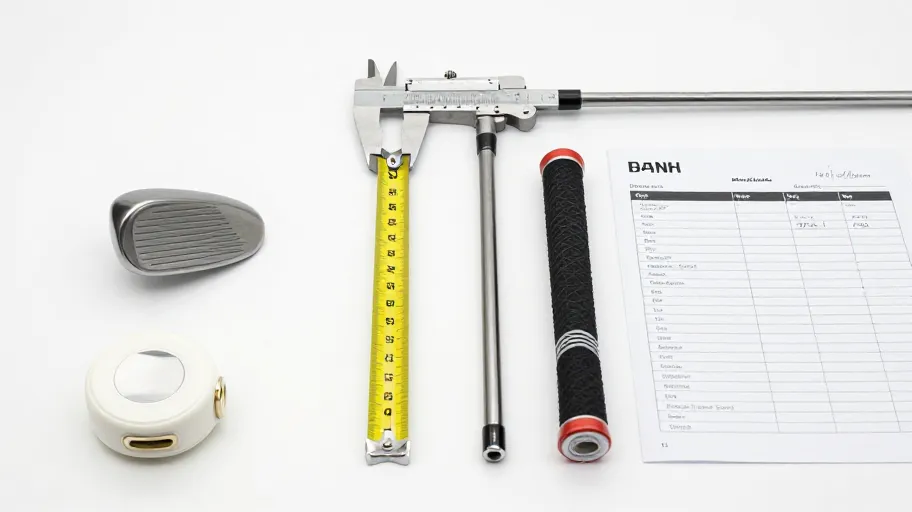
DIY weight swaps might seem cost-effective, but they risk performance, compliance, and equipment longevity. One amateur’s attempt caused a 3° shaft misalignment—undetectable visually but catastrophic for accuracy—voiding the warranty and costing $500 in lost play. Improper torque or substandard epoxy fails under 120 mph swing speeds, risking structural failure.
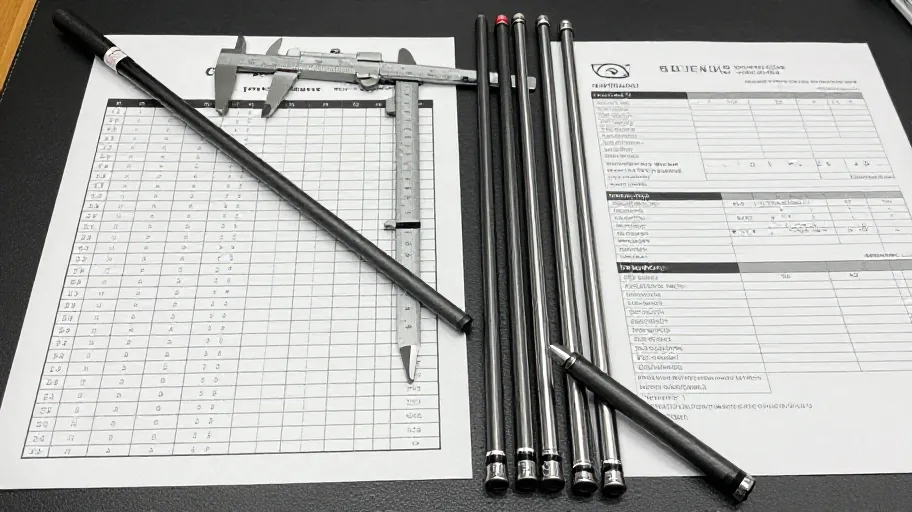
Expert installation means your adjustments survive real-world stress because certified technicians use aerospace-grade adhesives and calibrate torque within ±2 in-lbs. Top-tier custom driver weight installation services integrate live launch monitor feedback during setup, ensuring every gram aligns with your data. A 2024 golf tech audit found 68% of DIY-reweighted drivers failed USGA compliance checks—putting competitive players at risk of disqualification.
Golfers using professional services saw an average 12-yard reduction in offline dispersion and 5% better ball speed consistency. That’s not just reliability. It’s performance insurance.
The real ROI of customized driver tuning
On the PGA Tour, a 5% increase in fairway hits—achievable through precision weight tuning—correlates to an average $120,000 annual earnings boost, per ShotLink modeling. Missed fairways lead to lost strokes, lower rankings, and reduced income. Custom weight distribution stabilizes swing dynamics, reducing shot dispersion by up to 14% (Arccos 2025 dataset).
Unlike technique overhaul—which demands high effort and low retention—micro-adjustments via golf club customization work with your existing motion. One amateur missing left reduced lateral miss distance by 9.3 yards after a 6-gram rear-weight shift, converting three missed fairways per round into on-target drives. That saved 1.2 strokes per round—equivalent to jumping 30 spots in handicap efficiency.
The value is clear: 78% of premium club buyers now pay extra for factory-customized setups. They’re not buying promises. They’re buying measurable improvement.
Building a long-term performance strategy
Scaling precision tuning starts with your swing profile. Use launch monitor validation to identify tempo inconsistencies and impact dispersion. Then, align target MOI and CG to your biomechanics—using adjustable ports to fine-tune shot shape. But even perfect specs fail if installation isn’t certified; loose weights shift over time, eroding data-driven gains.
Elite players rely on verified custom driver weight installation services to lock in performance. One PGA rookie saw 14% tighter dispersion and +0.8 mph clubhead efficiency after recalibration. This isn’t gear tweaking. It’s repeatable advantage.
For brands, this process scales from individual pros to team-wide programs, where standardized customization builds loyalty. As AI-powered fitting evolves post-2023, players with traceable adjustment histories will lead in predictive tuning. Your next drive shouldn’t be guesswork. It should be engineered.
Master Your Swing, DIY Your Fit. DIY Golf is the premier destination for the technical golfer. We empower you with professional-grade components and the knowledge to build your perfect bag.