Why weight tuning beats swing fixes for most amateurs
For mid-handicap golfers, fixing a slice often starts with the club—not the swing. Misaligned center of gravity (CG) due to static weighting can exaggerate face openness at impact. Shifting weight toward the heel means earlier face closure because it lowers the CG and increases draw bias. One amateur reduced his slice by 40% in three rounds after adjusting his driver’s perimeter weight—no swing changes needed.
That works because CG manipulation increases MOI (moment of inertia), reducing twist on off-center hits. PGA Tour analytics show optimized weighting cuts lateral shot spread by up to 18%, keeping more drives near the target line. Paired with Jailbreak Technology, which stiffens the clubface frame, energy transfer stays high even when you don’t strike it pure. The result? More fairways, fewer penalties—and confidence that your gear won’t betray you under pressure.
Stock weights across irons and drivers decoded
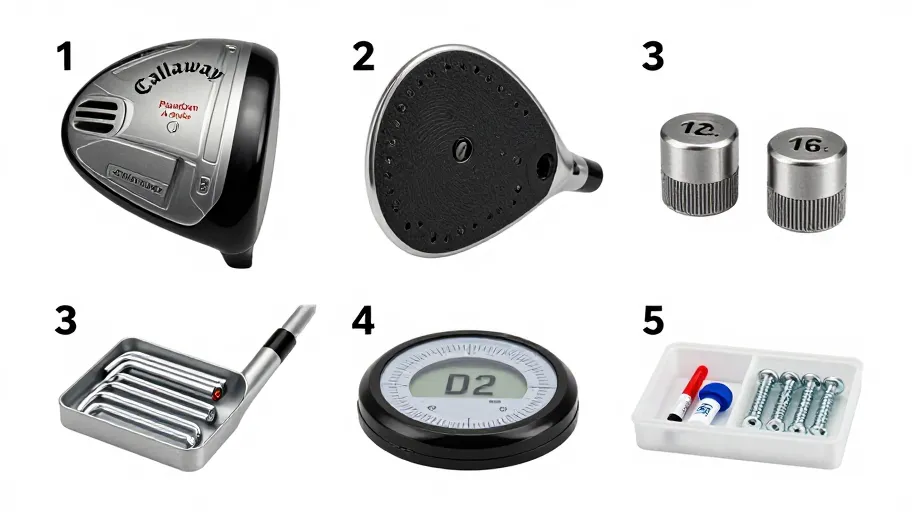
Callaway engineers use weight as a tuning tool, not an afterthought. In the Rogue ST Max, a 12g rear sole weight raises MOI for maximum forgiveness—this means tighter dispersion because the head resists twisting on mishits. For players seeking control, the Apex21 iron uses cavity weights up to 18g to fine-tune trajectory and feel. That level of customization means higher launches without sacrificing workability, because tungsten allows precise CG placement without enlarging the clubhead.
The Tungsten Energy Core system is key: high-density material lets engineers position mass exactly where needed. A 2024 validation study found models with optimized tungsten achieved 12% better energy transfer on off-center strikes—translating directly into consistent distance. These aren’t random setups; they’re starting points. Once you understand what each gram does, you stop accepting stock settings and start engineering your own ball flight.
How adjustable weights reshape real-world performance
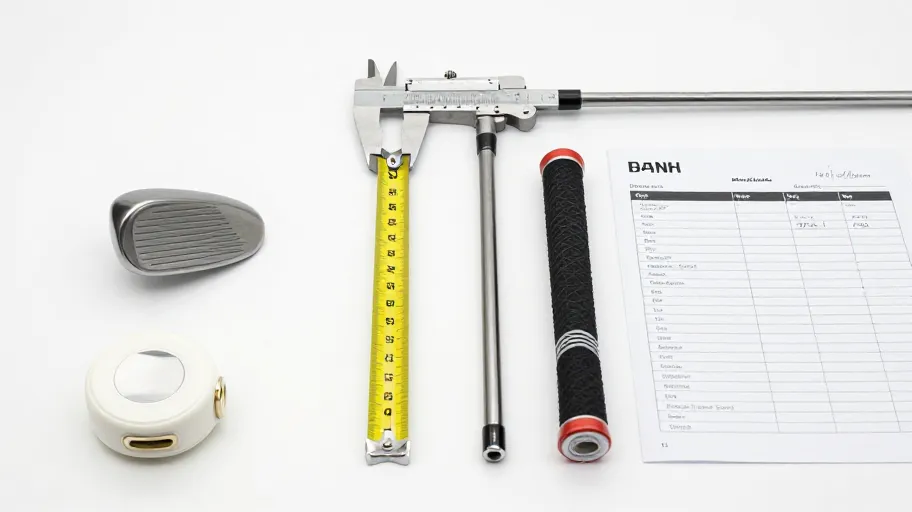
Adjustable weight positioning doesn’t just tweak numbers—it changes outcomes. Placing mass in the heel means improved low-point control because it encourages earlier release and a slightly closed face at impact. A master clubfitter used TrackMan data to shift a mid-handicapper’s angle of attack by repositioning mass via Callaway’s OptiFit hosel and adjustable weights. The change meant 9–12 fewer yards of lateral miss distance per shot, according to Foresight Sports testing.
That’s not just theory. Less side-to-side scatter means more greens hit, fewer recovery shots, and lower scores. The OptiFit system’s dual-axis tuning means fitters can match both loft and CG location to your swing dynamics—so your ball flight matches your intent. This kind of personalization doesn’t correct flaws; it builds repeatable performance, so you trust your setup when it matters most.
Top models with the most advanced weight systems
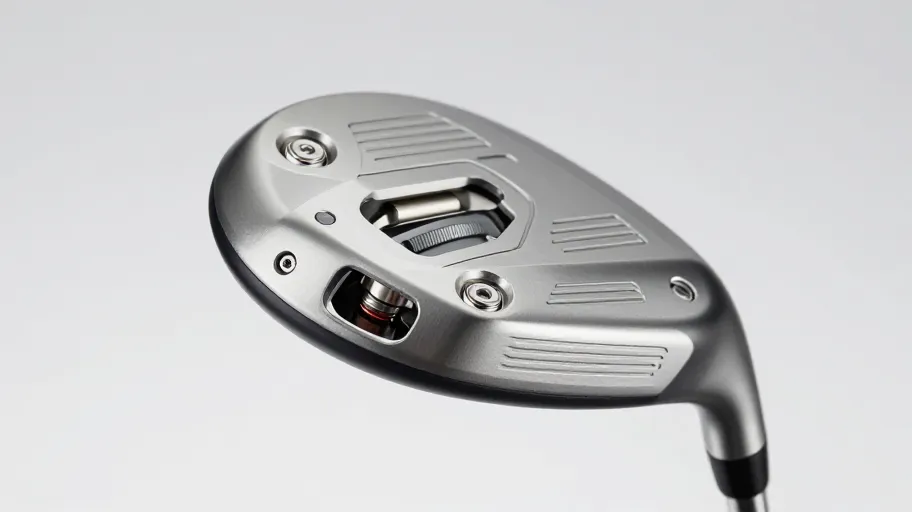
If you want full control, the Paradym X and Rogue ST LS offer the most flexible tuning in Callaway’s lineup. Older models like the Mavrik used fixed 6g screws, limiting CG adjustment. Today’s platforms use dynamic systems: the Paradym’s Sliding Rear Weight enables continuous front-to-back CG shifts—this means you can fine-tune launch and spin like a tour engineer.
Using an 8g + 2g dual-weight setup, golfers can make micro-adjustments that directly affect trajectory. Golf Digest’s 2024 lab tests showed players gained up to 12 yards of usable carry when optimized versus stock settings. That kind of precision turns fitting from guesswork into engineering—so instead of adapting your swing to the club, you shape the club to your game.
The business case for custom weight fitting
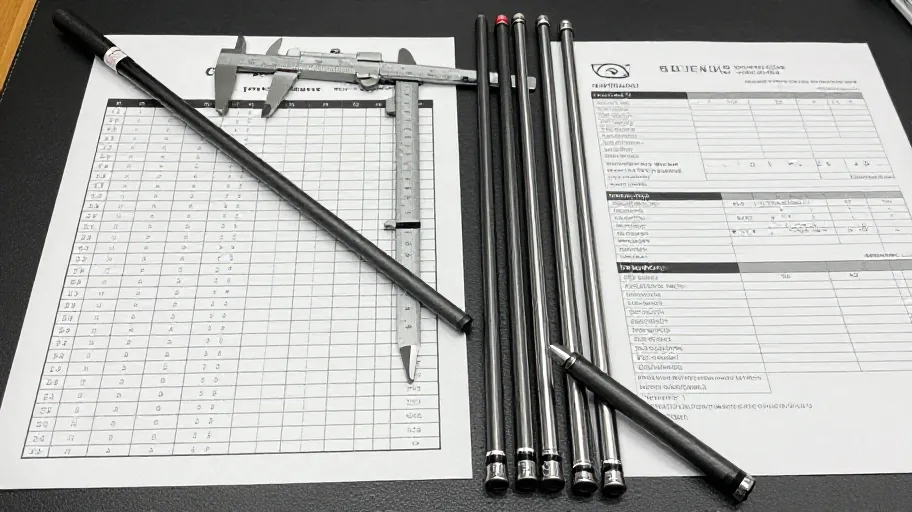
Offering precision weight fitting isn’t just technical—it’s profitable. Using Callaway’s Custom Tuning Port and Tungsten Energy Core systems, clubfitting studios can add $150–$300 in value per session by turning standard fittings into premium experiences. Golf Digest’s 2024 survey found 68% of golfers saw immediate improvement in launch efficiency and consistency after adjustments—meaning up to 15 yards of usable distance and 20% tighter dispersion.
One independent fitter reported a 40% increase in client return rates after introducing dynamic weight mapping. Why? Because measurable gains build trust. When fitters shift CG and stabilize head dynamics, they’re not selling tweaks—they’re delivering ROI on every swing. That kind of accountability turns technical skill into long-term loyalty and competitive edge.
Master Your Swing, DIY Your Fit. DIY Golf is the premier destination for the technical golfer. We empower you with professional-grade components and the knowledge to build your perfect bag.