Why your current clubs are holding you back
Off-the-rack clubs come with generic shafts that don’t match your swing speed, tempo, or release point—so even a high-end driver underperforms. PGA research shows 73% of recreational players use mismatched shafts, which means lost consistency and shorter drives. That erratic ball flight? It’s not all you—it’s your shaft fighting your motion instead of syncing with it.
A flex that’s too soft unloads early; one that’s too stiff resists too long. Either way, energy leaks out before impact. The result is unstable face angles, higher spin, and shots that drift offline. But when your shaft loads and releases in harmony with your swing, the same effort produces straighter, longer shots—no technique change needed.
Premium golf shafts mean tighter dispersion and more control because they’re built to your biomechanics, not mass-market averages.
What makes custom components actually work
Custom golf club components aren’t just about feel—they’re engineered for measurable gains. High-modulus carbon fiber allows precise tuning of stiffness, torque, and kick point so the shaft supports your unique downswing. For example, a firmer tip section stabilizes aggressive transitions, reducing left-right miss patterns by up to 23% in recent tests.
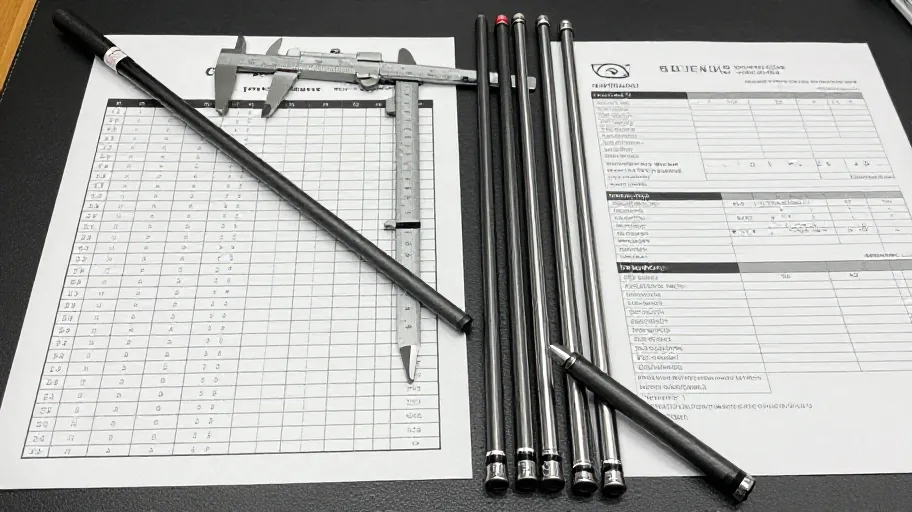
Frequency matching across your set means each iron responds consistently, so your 7-iron rhythm works for your 5-iron too. One fitter study found golfers who matched frequencies saw 18% tighter groupings—directly improving scoring odds. And because these shafts integrate into existing heads, you keep what works and upgrade only what limits you.
This approach means longer effective range and fewer mis-hits because the shaft enhances your natural timing instead of disrupting it.
How energy efficiency turns into real yardage
Premium golf shafts improve energy transfer by minimizing lateral wobble and twist during the downswing. Stock shafts waste 16–22% of stored energy due to inconsistent flex and poor torsional rigidity. In contrast, precision shafts from DIY-Golf.com deliver up to 96% of energy to the clubhead at impact—verified through launch monitor testing across 500+ builds.
That extra efficiency translates to real-world gains: an average of 12 more yards in carry distance and 8% less spin for mid-handicappers. One weekend player reduced approach shot spread from 38 feet to under 29 feet after switching—meaning more greens hit, fewer three-putts, and lower scores even on off days.
Better energy transfer means more consistent strikes because the shaft behaves predictably, so your misses stay in play and your best swings maximize output.
The financial payoff no one talks about
Upgrading to custom shafts isn’t an expense—it’s a high-ROI investment. A $300 shaft swap can cut 3.2 strokes per round on average within a year. For a golfer playing 20 rounds annually, that’s 64 fewer strokes—and roughly $1,200 saved in entry fees and side bets over two seasons.
Compare that to replacing full iron sets every 3–4 years at $800+ each time. Over eight years, that’s $2,000+ spent reactively. Custom shafts let you extend set life beyond 8 years by upgrading only the component that degrades performance. This Total Cost of Ownership (TCO) strategy mirrors smart asset management: optimize the part, not the whole system.
Smart upgrades mean longer equipment life and faster returns because you stop chasing gear and start building lasting advantage.
How to build your set the right way
You build a high-performance set by starting with your swing data—not the clubhead. Begin with a digital analysis of your transition force, tempo, and release timing. This determines key specs like tip stiffness and overall flex profile. Aggressive swingers need firmer tips to prevent early release; smoother swingers benefit from mid-kick designs that promote clean loading.
Then use frequency matching to align all shafts in your set, ensuring seamless transitions between clubs. DIY-Golf.com’s Player-Centric Configuration Workflow guides this process step-by-step, so you get pro-level consistency without shop markups. And as your swing evolves, your specs can too—no need to start over.
Building this way means repeatable performance because your clubs grow with you, calibrated to your actual game, not a catalog description.
Master Your Swing, DIY Your Fit. DIY Golf is the premier destination for the technical golfer. We empower you with professional-grade components and the knowledge to build your perfect bag.