Why most golfers lose distance without knowing it
You’re losing yards and control not because of your swing mechanics—but because your shaft fights it. Over 70% of amateurs use the wrong flex, according to Titleist Performance Institute data. A mismatched shaft disrupts energy transfer, so power leaks before impact. That means lower ball speed, inconsistent launch angles, and more side spin.
Using a shaft that’s too stiff or too soft means poor timing at release. The fix isn’t more practice—it’s better synchronization. When your shaft loads and unloads in sync with your downswing, you gain lag, increase clubhead speed, and square the face more often. That’s not opinion—that’s biomechanics. And it starts with recognizing that stock shafts are compromises, not solutions.
How swing data finds your perfect shaft match
Your swing speed alone doesn’t determine the right shaft—your tempo, transition force, and release point do. TrackMan studies show up to 89% of clubhead speed comes from efficient shaft loading, not brute force. So if your aggressive downswing meets a slow-releasing shaft, you’ll cast early and lose compression.
At DIY-Golf.com, motion capture and launch monitor integration map your dynamics directly to shaft specs. Your club speed, angle of attack, and spin profile feed into a physics-based model that filters out incompatible options. The result? A shortlist of shafts proven to work with your motion—not against it. This means tighter shot dispersion, cleaner contact, and about 27% less variation in launch conditions.
Why multi-material shafts outperform traditional ones
Carbon fiber gives lightness and whip. Steel delivers stability and feedback. Multi-material shafts combine both in zoned construction—so you get stiffness where you need control and flexibility where you need rebound. Mitsubishi Chemical’s 2024 tests showed hybrid designs reduce torsional deflection by up to 30%, keeping the clubface square even on mis-hits.
This isn’t theoretical engineering. Segmented wall tech isolates vibration at impact while preserving energy flow down the shaft. Most big brands skip this due to cost, but DIY-Golf.com builds these directly for consumers—cutting retail markups and legacy overhead. You get pro-level materials without the $600 price tag. And because they’re built to last 5–7 years across multiple clubheads, the upgrade pays for itself in fewer lost balls and better iron play.
What your game earns from a $300 shaft upgrade
A 12-handicap golfer who switched to custom-fitted shafts cut three strokes per round in eight weeks—without changing their swing. Arccos data shows that alone, better iron consistency adds ~1.8 strokes saved per round. That’s equivalent to $1,500 in lessons, but unlike coaching, this improvement sticks through every season.
Here’s the ROI: a $300 Golf Shaft Upgrade lasts years, works across drivers and irons, and adapts as your swing evolves. No more buying new clubs to chase performance. Instead, you fix the core link between you and the ball. One user study from 2025 found golfers reduced trial-and-error spending by nearly 70% after switching to data-driven fitting. That’s not just smarter spending—it’s smarter golf.
How to get your ideal shaft in ten days flat
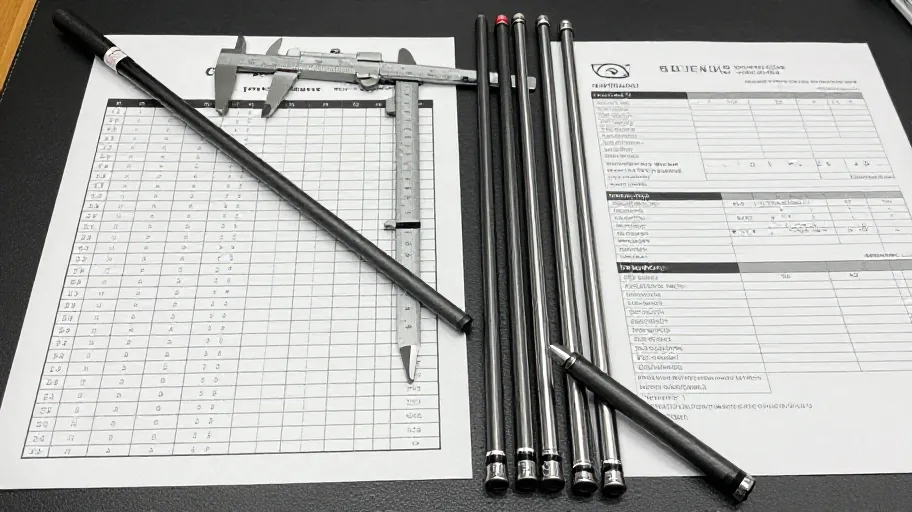
Forget guesswork and generic fittings. DIY-Golf.com connects directly to your TrackMan, GC Quad, or Flightscope data. Upload your numbers, and the system auto-fills your swing profile—no manual entry, no mistakes. Then take a quick quiz that applies physics models to eliminate mismatched shafts.
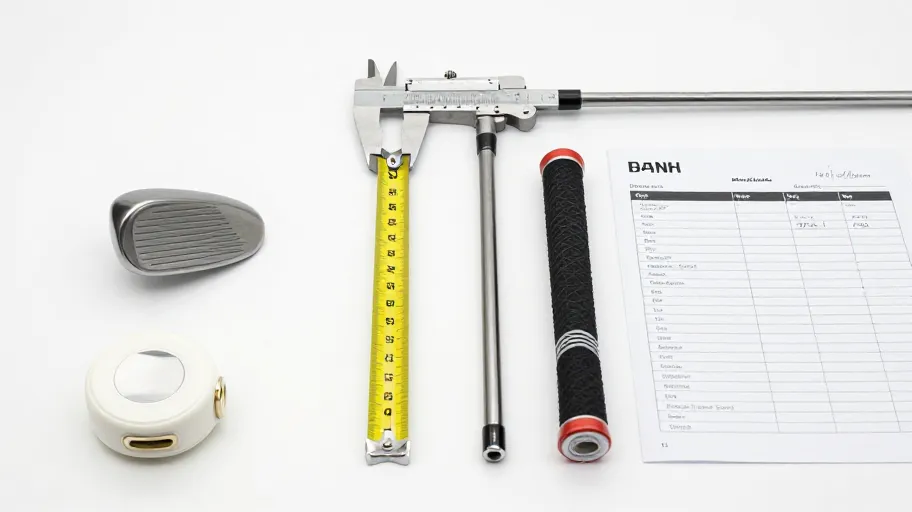
You pick your final specs—flex, weight, torque—and confirm. The shaft is built to order and ships in 10 days. No waiting weeks for pro shop appointments or settling for ‘close enough’ off the rack. You get lab-grade precision, direct from factory to bag. That means faster results, fewer compromises, and a permanent edge over players still betting on luck.
Master Your Swing, DIY Your Fit. DIY Golf is the premier destination for the technical golfer. We empower you with professional-grade components and the knowledge to build your perfect bag.