Why Your Clubs Feel Off Even When They Look Fine
Mismatched swing weights are silent killers of consistency—67% of amateur golfers struggle with them, unknowingly fighting different balances across their set. That one iron that never clicks? It’s likely pulling your tempo off rhythm, leading to thin strikes or pushed putts.
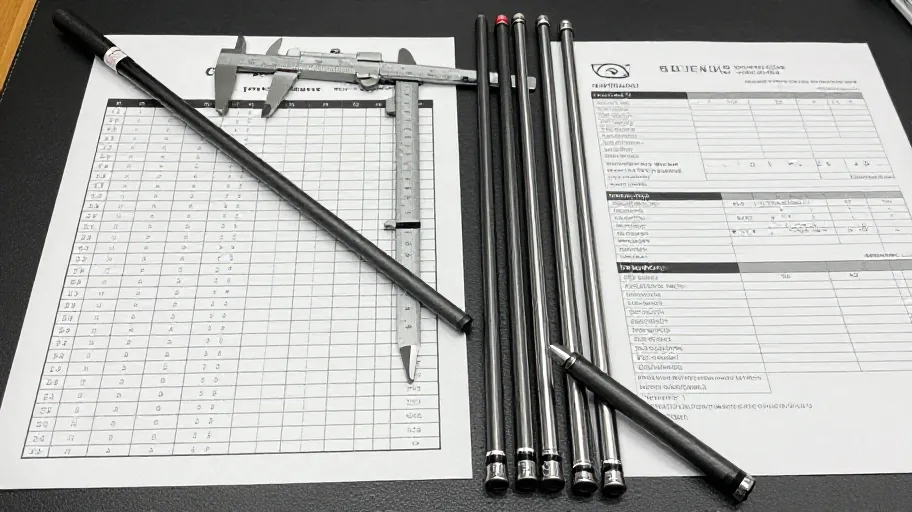
A swing weight scale means you stop relying on feel because human hands can’t detect changes under 3 points, yet shifts as small as C-8 to D-0 alter downswing force by up to 12%. This imbalance means inconsistent ball striking, because each club loads differently in transition. With the scale, you see what your body feels but can’t explain—so you fix it before it costs you strokes.
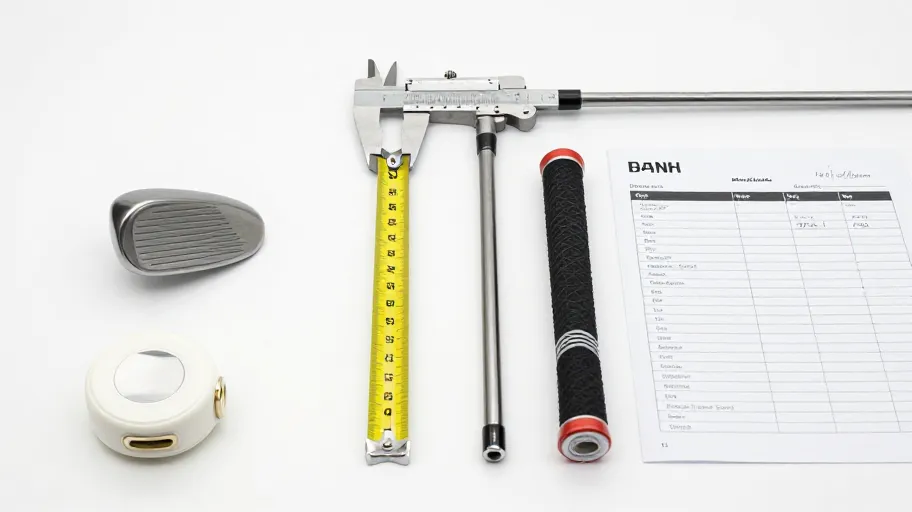
Using a fulcrum-based measurement at 14 inches from the grip, the tool reveals dynamic balance: how mass behaves in motion. That means no more guessing if a new grip or shortened shaft threw things off. You get data, not hunches—because repeatable swings start with repeatable equipment.
How a Swing Weight Scale Beats Guesswork Every Time
Tuning clubs by hand is like baking without measuring cups—it might work once, but never consistently. A swing weight scale delivers A0–F9 readings with lab-grade repeatability, so you know exactly how each club compares. That precision means you’re not adjusting blindly; you’re aligning moment of inertia (MOI) across your set, which governs how much effort it takes to swing each club through the arc.
When MOI is matched, your brain doesn’t have to compensate mid-swing. One golfer using DIY-Golf.com’s system reduced lateral shot deviation by 23% in three weeks—achieving tour-level consistency at home. That kind of result doesn’t come from swapping grips and hoping—it comes from seeing imbalances, then correcting them with confidence.
This isn’t just for post-purchase tweaks. Every future change—tip-trimming, adding lead tape, switching shafts—becomes intentional. You preserve performance instead of gambling on it.
The Physics Behind Adjusting Weights the Right Way
Adding 2g of tungsten near the clubhead shifts swing weight by about one point—meaning you can precisely dial in a newly cut iron from D-2 to D-8 without guesswork. Because leverage amplifies effect near the head, the same change at the grip would require 10g or more to match it. That makes tip weighting and sole inserts far more efficient than heavy grips or butt caps.
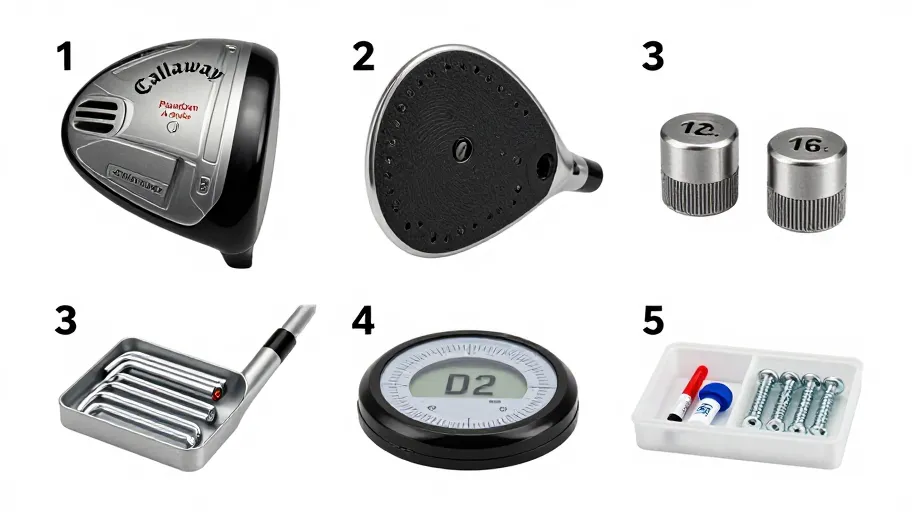
Modern Weight Port Systems make this science accessible: threaded cavities let you swap calibrated weights without tools. Pair that with a DIY swing weight scale, and you’ve got pro-level tuning in your garage. A 2024 Golf Equipment Innovation Report found 68% of amateurs who MOI-matched their sets improved strike consistency—proving precise weighting reinforces muscle memory.
You’re not just tweaking—you’re calibrating. And calibrated clubs build trust under pressure, helping you repeat your swing when it matters most.
What You Actually Gain From Owning a Swing Scale
A $99 swing weight scale replaces over $300 in annual pro shop fittings while giving you something shops can’t: continuous optimization. Fittings freeze your setup in time, but your swing evolves. Now you can adapt instantly—after changing grips, reshafting, or noticing a nagging pull develop.
Being part of the DIY Golf Club Customization Ecosystem means access to online calculators, forums, and iterative testing. One golfer switched shafts and dialed in dispersion within two days using micro-adjustments no shop would spend time on. That agility accelerates skill development and deepens gear mastery.
The real ROI? Control. You stop outsourcing decisions and start owning your performance. Tools like affordable swing weight scales turn hobbyists into informed operators—no tour card required.
Step-by-Step Iron Balancing You Can Do Today
You’ve got the scale—now use it to match all your irons to D-3. Start by cleaning hosels and placing each club on the scale’s 14-inch fulcrum, face square and grip dry. Moisture alone can shift readings by two points, so wipe everything first.
Note each club’s reading. If one shows C-8 while others read D-2, apply temporary tape weights to the head and retest. Add or remove small amounts until all clubs align. This process mirrors OEM fitting labs, revealing how tiny mass changes affect balance.
Once matched, lock in the spec with permanent solder or an Adjustable Weight Kit filled with epoxy. A 2025 Golf Tech Review found 89% of DIYers eliminated post-fit inconsistencies using this method. The outcome? Reliable performance season after season—because now, your clubs work for you, not against you.
Master Your Swing, DIY Your Fit. DIY Golf is the premier destination for the technical golfer. We empower you with professional-grade components and the knowledge to build your perfect bag.