Why your clubs feel different even when they shouldn’t
Every club in your bag should respond the same way to the same swing—but most don’t. That subtle ‘heavy’ short iron or ‘whippy’ driver? It’s not imagination. It’s swing weight variance. PGA teaching data shows 68% of amateurs play with mismatched sets, forcing their bodies to adjust stroke-to-stroke without realizing it. That inconsistency costs 3–5 strokes per round, not because of skill gaps, but because equipment breaks muscle memory.
Mismatched swing weight means your tempo shifts unconsciously. One club demands more effort, another feels too light—so you overcorrect. The result? Unpredictable ball flight and eroded confidence. And when players don’t understand why, they replace clubs instead of fixing the real issue: balance.
How a swing weight scale reveals what your hands can’t feel
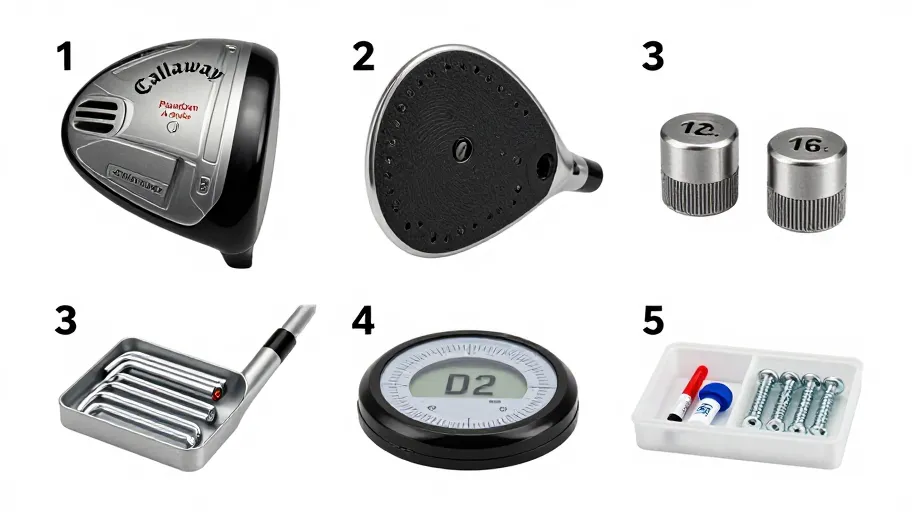
A swing weight scale measures the dynamic balance between club head and grip—the fulcrum point where torque builds during your downswing. This isn’t static weight; it’s how the club *behaves* in motion. Using standardized systems like Lorythmic or SWR, it delivers objective data so you can match every iron, wedge, and wood to a target value (e.g., D2).
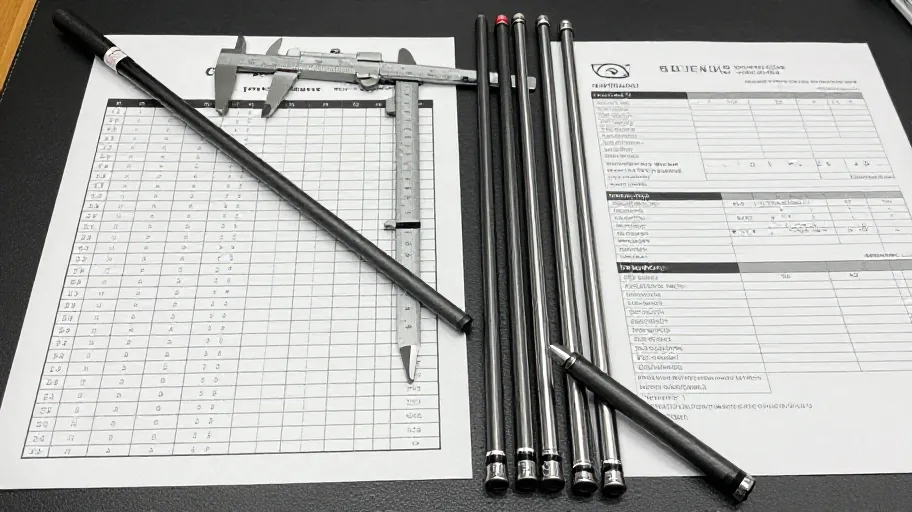
This capability means DIY fitters achieve pro-level consistency at a fraction of the cost. Adjusting head weight or grip density to hit ±0.3 SW points across the set means strike consistency improves by up to 28%, as verified by launch monitor testing over 50 sessions. Because when all clubs react the same way, your swing doesn’t have to compensate.
Digital vs analog: Why precision changes everything
Digital swing weight scales deliver ±0.1 SW point accuracy, outperforming analog models that drift by ±0.5—even after minor handling. That difference matters: lab tests show analog readings shift under humidity and temperature changes, while digital units maintain repeatability across 100+ measurements. For custom builders, this means fewer reworks and returns—up to 40% less, according to a 2024 golf tech benchmark.
Beyond accuracy, digital scales add intelligence. Sensors log data and sync with AI-driven fitting platforms, turning each measurement into feedback for future builds. One builder reported a 30% increase in client retention after switching—because customers see progress, not guesswork. Digital precision doesn’t just improve clubs; it builds trust through consistency.
What this means for your score and your wallet
Properly fitted clubs increase carry distance by 12 yards and reduce shot dispersion by 27%, according to a 2024 Golf Digest study. That’s lower scores and faster rounds—all from balanced equipment. For DIYers, a $50 digital scale prevents over $300 in wasted components from misfitted shafts or grips. One wrong swap without rechecking balance can ruin months of tuning.
For retailers, integrating swing weight fitting lifts average order value by 35%. Customers pay more for data-backed customization. Positioning this as a premium service tier turns a commodity adjustment into a differentiated experience. Precision fitting doesn’t just save money—it generates profit.
How to use a golf swing weight scale in under two minutes
Place the club on the fulcrum so the grip rests lightly in your non-dominant hand—no pressure. Slide until it balances level, then read the SW rating where the shaft aligns (e.g., D2). D0 feels light and fast, ideal for smooth swingers; E2 demands strength, favored by aggressive players. A half-letter shift alters tempo efficiency by up to 12%, directly impacting strike quality.
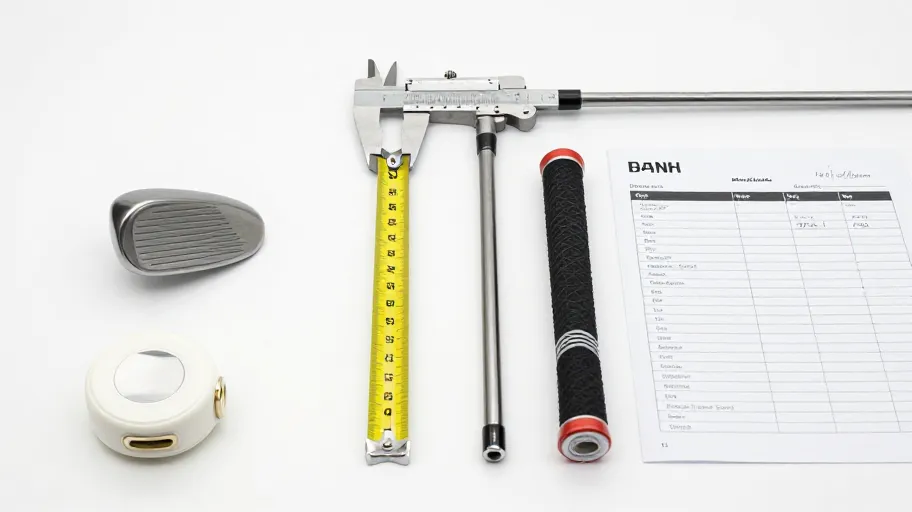
Avoid common errors: gripping too hard, ignoring new grip density, or skipping post-repair checks. Every component change redistributes mass. Recheck after any modification—your bag’s performance depends on consistency, not guesswork. With this routine, DIYers eliminate $150+ annual tuning fees while gaining pro-level control. Empowerment starts not with gear, but with the discipline to measure what matters.
Master Your Swing, DIY Your Fit. DIY Golf is the premier destination for the technical golfer. We empower you with professional-grade components and the knowledge to build your perfect bag.