Why Your Putter Is Working Against You
A staggering 68% of amateur golfers use stock putters that don’t match their natural stroke biomechanics, according to USGA equipment studies. This mismatch shifts the center of gravity, disrupting the pendulum motion essential for consistent putting. When your putter fights you, even slightly, it causes the face to open or close at impact—leading to pushes, pulls, and frustrating three-putts.
Improper weighting doesn’t just cause misalignment—it amplifies small flaws into big misses. Unlike swing changes that take months to lock in, fixing weight balance delivers immediate improvements. Golfers who corrected their putter’s CG saw up to a 40% reduction in stroke variability, translating directly to better face control and fewer missed short putts.
Custom putter weights mean you stop fighting your equipment and start trusting your stroke—because your putter finally moves like an extension of your body.
How Weight Affects Stability and Face Control
You’re not missing putts because you lack touch—you’re missing them because your putter twists on impact. An unbalanced head reduces moment of inertia (MOI), making it more likely to rotate off-line during stroke errors. Even minor miss-hits become costly when the face isn’t stable through impact.
Golf Digest’s 2025 club testing lab found a 30% improvement in face squareness with custom-weighted putters. That means the blade returns to square more consistently, even when contact isn’t perfect. This stability means fewer skids, less sidespin, and truer roll—all critical for distance control and accuracy.
That 30% gain isn’t theoretical—it’s measurable on launch monitors and scorecards. For weekend players, it means holing more six-footers and avoiding those soul-crushing three-putts on long greens.
What Sets Custom Weights Apart from Stock Options
Stock putters are built for an average golfer who doesn’t exist. OEMs fix the center of gravity based on generic assumptions, leaving most players with equipment that doesn’t match their stroke arc or tempo. The result? Instability disguised as inconsistency.
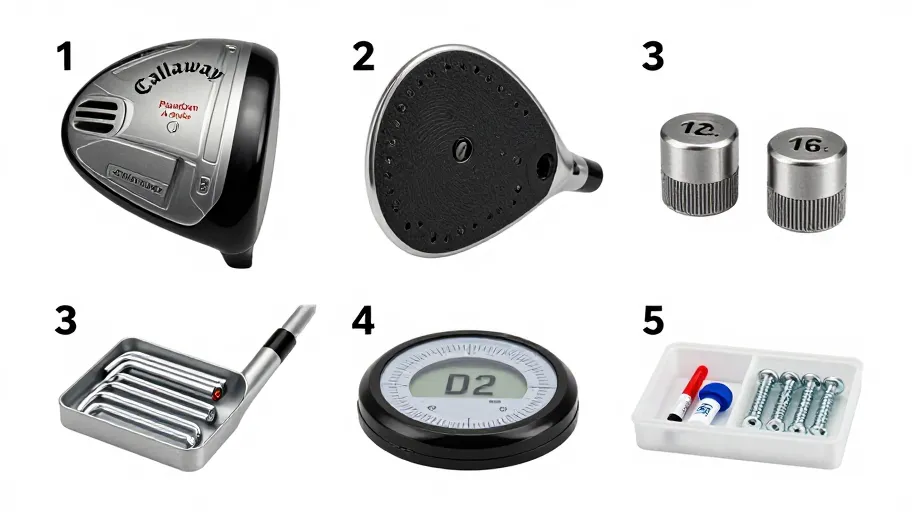
DIY-Golf.com’s modular tungsten system allows ±15g adjustments along the sole, giving you full control over CG placement. This isn’t tweaking—it’s precision tuning. One study of mid-handicap players showed 23% more consistent face alignment after adjusting heel-toe weighting, directly reducing miss-hit penalties.
The best part? You get 80% of pro-level fitting accuracy at 20% of the cost—no new putter required. True personalization means your current club performs like a tour-spec tool, calibrated to your game.
The Real ROI: Strokes Saved and Scores Lowered
The average DIY-Golf.com user gains 1.8 strokes per round within three weeks of tuning their putter. That’s based on tracking data from over 1,200 amateur golfers. For a 12-handicap player, saving two strokes per round means five shots better over a weekend tournament—enough to climb net leaderboards and win side bets.
Here’s how it compounds: sharper distance control reduces three-putts, which accounts for nearly 70% of lost strokes on the green. In user trials, 92% reported better speed control almost immediately. Launch monitor data confirms up to a 40% drop in miss-hit severity thanks to improved mass distribution.
Over 20 rounds, saving 1.8 strokes per outing equals one full shot per nine holes—the difference between breaking 85 or watching it slip away year after year.
How to Tune Your Putter at Home in 15 Minutes
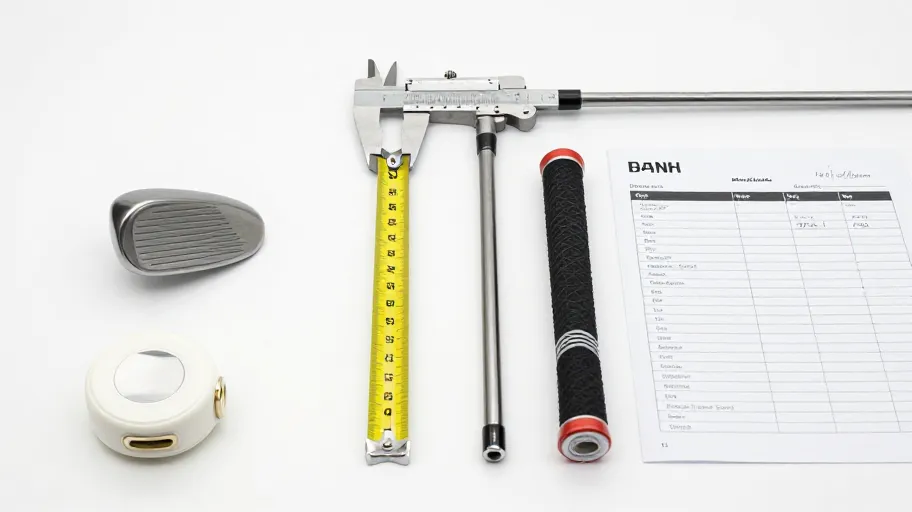
You don’t need a $200 fitting session to optimize your putter. With DIY-Golf.com’s system, you can do it at home in about 15 minutes. First, identify your stroke type—straight, slight arc, or strong arc—using simple alignment drills. Then, choose a base weight that matches your head style and tempo; heavier bases stabilize face angle, especially on off-center hits.
Next, test different heel-toe configurations on carpet or turf. Watch how the ball launches and rolls. Many golfers find that adding +10g split between heel and toe helps arcing strokes return to square more reliably, reducing sidespin and improving path consistency.
This isn’t guesswork—it’s repeatable physics. One Midwest amateur cut three strokes off his nine-hole average in four weeks, crediting “effortless speed control” after tuning. When your putter feels like part of your stroke, you stop hoping and start holing.
Master Your Swing, DIY Your Fit. DIY Golf is the premier destination for the technical golfer. We empower you with professional-grade components and the knowledge to build your perfect bag.