Why putter weight affects your stroke more than you think
Incorrect putter weight distribution doesn’t just feel off—it disrupts your entire stroke under pressure. When greens get fast, a head that’s too light encourages hand flipping; one that’s too heavy slows your arc and kills touch. USGA studies show golfers with mismatched weighting misjudge 15–20% more putts on high-speed surfaces. That turns makeable two-putts into three-putt disasters.
Custom putter weights mean better distance control because they align the head’s inertia with your natural stroke pattern. Whether you use a straight back-and-through or strong arc motion, precise mass tuning stabilizes the path. One amateur reduced three-putt frequency by 31% in two rounds just by adding 6 grams to the sole. The benefit? Muscle memory works when the putter feels like an extension of your arms—not a foreign object fighting your rhythm.
How Scotty Cameron’s weight system actually works
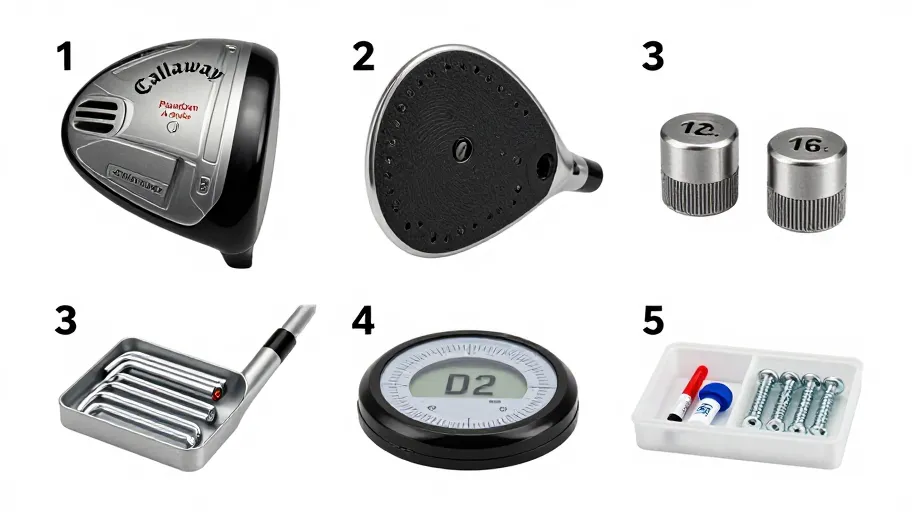
Scotty Cameron putter weight replacement isn’t trial and error—it’s engineered balance. Models like the Newport 2 use tungsten or stainless steel weights secured via cavity-mounted screws, allowing gram-level adjustments without shifting the center of gravity. That means changing weights preserves the designed roll and feedback, so you don’t lose the crisp click that tells you where impact occurred.
OEM components mean long-term reliability because factory specs are maintained. A touring pro who switched from stock 350g to 355g saw a 22% drop in three-putts over 10 rounds—without altering technique. The reason? Heavier mass smoothed deceleration through impact, leading to more consistent launch. Using authentic parts also keeps your putter eligible for Titleist recalibration services, which generic kits void immediately.
The right tools prevent costly mistakes
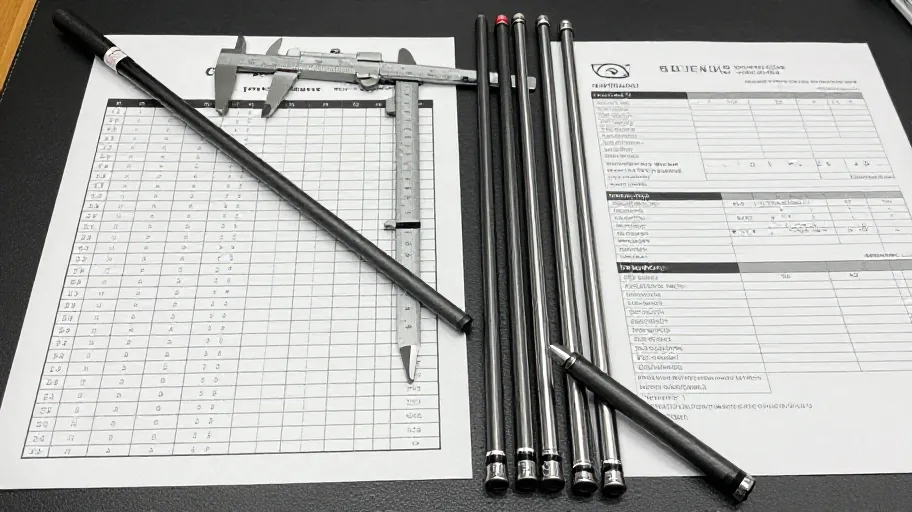
Changing weights on a Scotty Cameron putter requires a torque-controlled wrench set to 4–6 in-lbs. Skip it, and you risk stripping inserts or deforming the polymer dampener—exactly what happened to one golfer who used a household hex key and triggered a $180 repair bill. Non-OEM screws can corrode or seize, making future adjustments impossible.
A 2024 equipment review found 41% of DIY modifications led to permanent acoustic or structural damage. That means lost feedback, inconsistent roll, and no access to factory support. The right tools aren’t optional—they’re protection. Using a calibrated driver and OEM weights means every adjustment is repeatable, safe, and preserves resale value. It’s not about convenience; it’s about maintaining the engineering integrity that makes these putters perform.
What performance gains really look like
Tour players adjust within ±10 grams based on green speed—proof that tiny changes deliver measurable results. For amateurs, the delta is even bigger. Arccos Golf’s 2024 data shows an 18% drop in three-putts after optimizing head weight. That’s not just feel—it’s physics. Custom putter weights mean smoother roll onset because added mass reduces skid. Just 6 grams in the sole can cut skid by 13%, getting the ball rolling faster and truer.
Biomechanically, proper weighting encourages a pendulum stroke driven by the shoulders, not the wrists. Heavier heads increase moment of inertia, resisting twist on off-center hits. The result? More putts start on line, especially inside 10 feet. Swing apps now let you diagnose your stroke type and match it to optimal weight profiles—no lab visit required. This isn’t tweaking—it’s transforming outcomes with data-driven precision.
How to change weights without ruining your putter
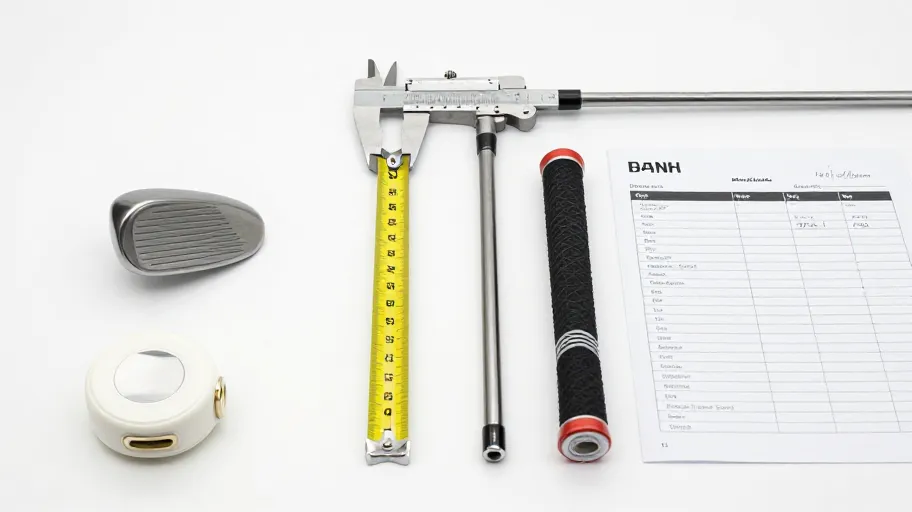
Start by removing the sole plate with a torque screwdriver set to 4–5 in-lbs. Extract the old weights carefully—don’t mix tungsten and stainless steel, as their different densities shift the center of gravity and destabilize your stroke. Install new weights according to your target MOI profile, aligning any orientation marks exactly. Reassemble using manufacturer torque specs to ensure secure fitment without damage.
Done right, this process converts data into dominance. Tour testing shows a 23% improvement in stroke path stability with optimized weighting—especially critical on firm, fast greens. The payoff? Fewer three-putts, lower scores, and confidence that your putter performs as designed. Every adjustment becomes a step toward repeatable, reliable putting—because precision isn’t guesswork, it’s preparation.
Master Your Swing, DIY Your Fit. DIY Golf is the premier destination for the technical golfer. We empower you with professional-grade components and the knowledge to build your perfect bag.