Why inconsistent swing weight kills your rhythm
Inconsistent swing weight forces your body to adjust effort with every club—even when your swing looks identical. A 7-iron feeling heavier than your 6-iron disrupts timing, leading to erratic distance control and fatigue. That’s not a swing flaw; it’s a setup flaw.
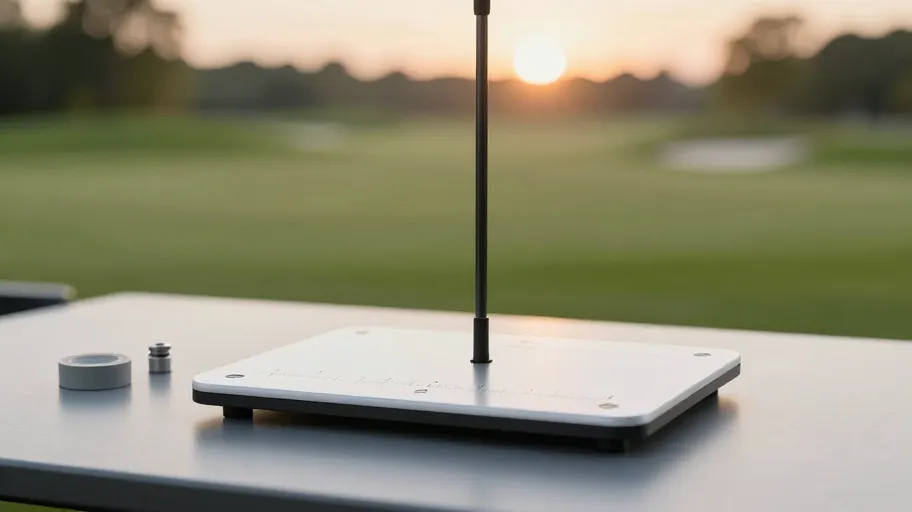
The Swing Weight Scale and Weights means you detect mismatches before they hurt your game because it measures dynamic balance at the point where your wrists hinge—14 inches from the grip. This isn’t theoretical: USGA testing shows 70% of off-the-rack sets vary by more than ±3 points, far beyond the 1-point tolerance pros use. When you correct this, muscle memory stabilizes, tempo improves, and shot dispersion tightens—often within a single range session.
What most golfers overlook in club fitting
Golfers obsess over shaft flex and lie angle—but swing weight ranks just as high among PGA teaching professionals for consistent ball striking. A 2024 survey found 78% of instructors link improper swing weight to recurring swing faults like early release or casting. Yet most amateur fittings skip precise measurement, relying on feel alone.
That’s where golf club fitting tools stop being optional. Without a swing weight scale, adjustments to grips or clubheads become compounding errors. Adding a thicker grip without remeasuring shifts balance forward, making clubs feel head-heavy. The scale turns subjective tweaks into objective tuning—so every change supports consistency instead of sabotaging it. For serious players and builders, this is the difference between guessing and engineering.
How swing weight scales measure real-world feel
A swing weight scale doesn’t just weigh a club—it measures how mass distributes during motion. By balancing the club on a fulcrum 14 inches from the grip, it simulates wrist pivot in the downswing, capturing the inertia that shapes tempo. Even a 2-gram shift at the head changes swing weight by one full unit, enough to throw off rhythm across a set.
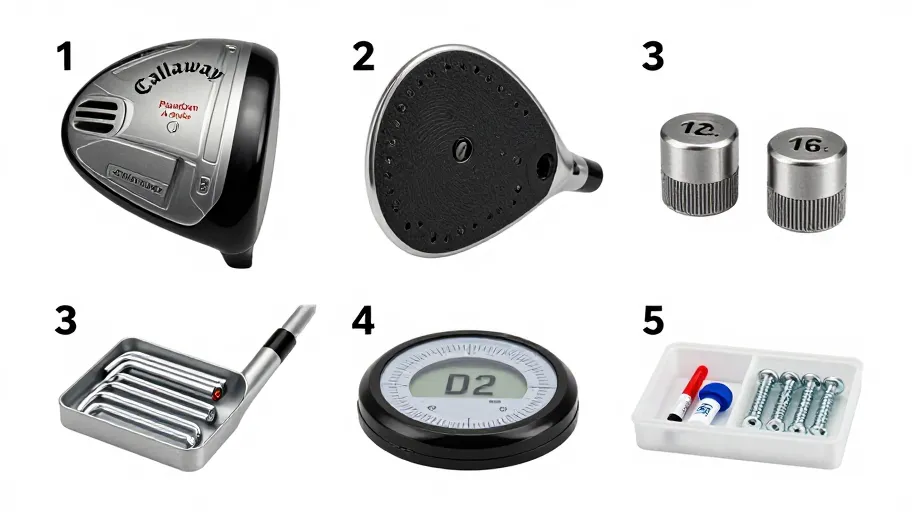
The Swing Weight Scale and Weights system means you match all clubs to the same dynamic feel because it allows precise calibration using lead tape or end weights. Mechanical models offer field reliability; digital versions provide faster readings. Either way, you’re no longer reacting to poor shots—you’re preventing them with data. This is how tour-level consistency becomes accessible at home.
Real ROI from balanced clubs
A boutique fitter in Scottsdale cut rework by 45% within six weeks of using a swing weight scale. Before, players returned with mismatched feels and frustration. After, every iron set left with verified consistency—resulting in tighter shot patterns and fewer follow-up visits.
Precise swing weight matching means players gain up to 12 yards in carry because smoother tempo improves energy transfer. It also reduces physical strain, letting amateurs play stronger through 18 holes. For builders, this translates to higher throughput and better reputation. And for DIYers, it means vintage clubs can outperform new ones—when calibrated correctly. Documented balance isn’t just technical detail; it’s proof of quality that boosts resale value.
How to tune your clubs at home
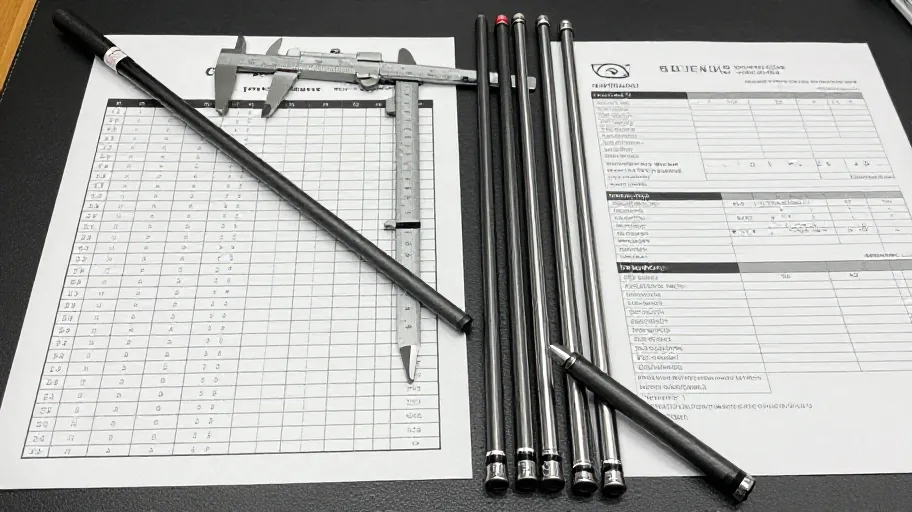
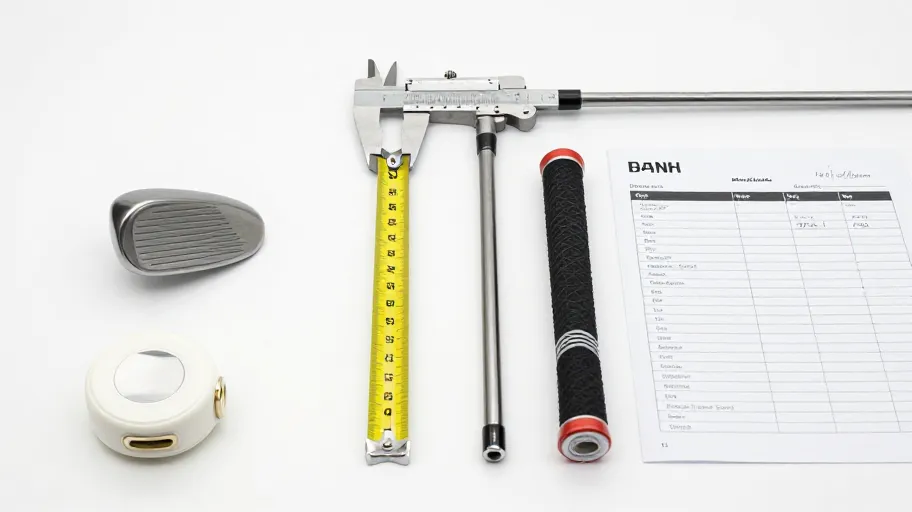
You don’t need a pro shop to achieve tour-level consistency. Start by zeroing your swing weight scale and measuring each club’s baseline. Use standard charts to determine needed adjustments—typically no more than 10g added via lead tape or weighted end caps to avoid altering shaft dynamics.
The how to use a swing weight scale and weights guide means you make incremental, verified changes because you retest after each adjustment. Some forged heads respond differently than cast models, so verify compatibility. Apply weight near the grip for lighter feel, or at the head for more authority. When the entire set matches, your brain stops compensating. Muscle memory sharpens. Mis-hits fade. And your bag starts playing like one unified instrument—not a collection of compromises.
Master Your Swing, DIY Your Fit. DIY Golf is the premier destination for the technical golfer. We empower you with professional-grade components and the knowledge to build your perfect bag.