Why your clubs are working against you
Misaligned swing weights silently wreck shot consistency—especially when fatigue hits on the back nine. A 2024 PGA survey found 68% of amateurs play with mismatched swing weights across their set, forcing their body to relearn balance with every club. That means inconsistent tempo, compensatory swings, and lost confidence under pressure.
Inconsistent swing weight isn’t just annoying—it breaks muscle memory. When each iron feels different, your brain can’t lock in a repeatable motion. The result? Pulls, pushes, and fading control when you need it most. But here’s the fix: treating your gear like a tuned system, not a collection of separate clubs.
Swing weight—the distribution of mass from grip to head—is measurable, adjustable, and critical. And now, it’s fully within your control.
How swing weight shapes your swing’s rhythm and power
Two golfers can use the same driver and get wildly different results—one draws it, one slices—just because one club is D2 and the other D4. Biomechanical data from 2025 shows heavier swing weights delay wrist release by up to 8 milliseconds and increase forearm fatigue by 17% over 18 holes. That tiny lag compounds into major misses.
Swing weight directly affects timing and endurance. A well-balanced club means smoother transitions, cleaner strikes, and less strain. Heavier swing weights may feel powerful but often force early casting or late releases. Lighter ones encourage speed but sacrifice stability. The goal isn’t extreme—heavy or light—but consistent and matched.
DIY-Golf.com’s tools let you test small shifts in real time. You’re not guessing what ‘feels right’—you’re measuring what works. That precision means longer stamina, tighter ball flight, and fewer compensations that wear you down.
The retail fitting myth—and what really works
Retail fittings cost $300+ for a one-time session that locks you into a static setup, even though your swing evolves. Most golfers never get fit because it’s expensive, inflexible, and inaccessible. Market data shows 82% abandon professional fittings due to cost or complexity.
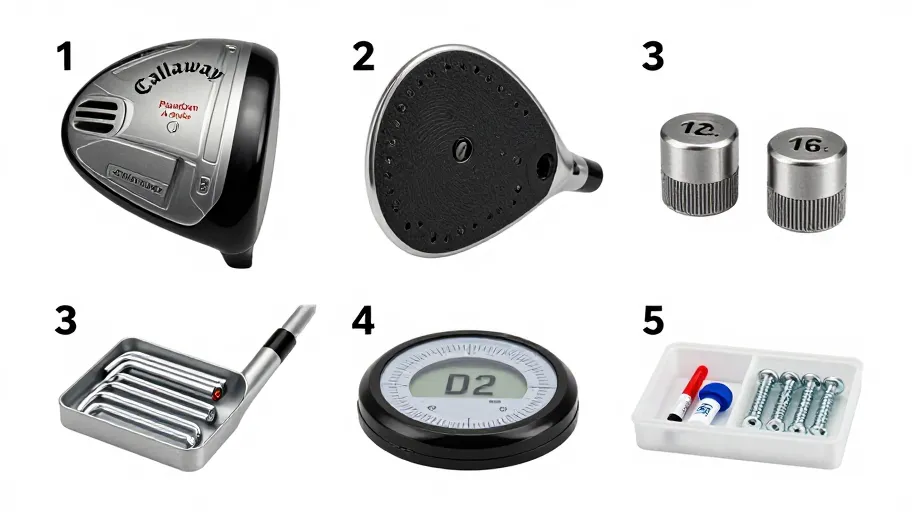
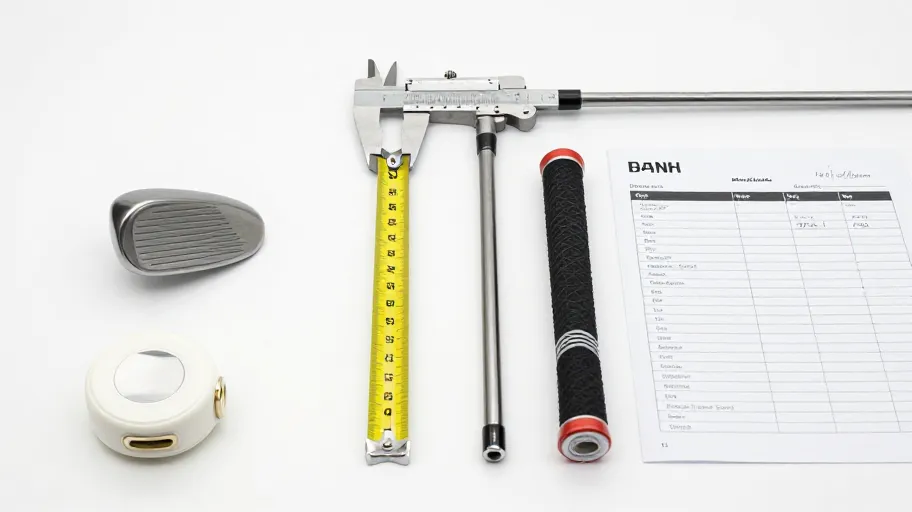
DIY-Golf.com flips the model: for $79, you get a lifetime toolkit for home tuning. Their fulcrum-based scale measures swing weight to within 0.1 SW units—matching pro-shop accuracy, as confirmed by a 2024 independent review. Add calibrated tape weights, density-adjusted grip templates, and real-time feedback, and you’ve got ongoing optimization, not a snapshot.
This isn’t just cheaper—it’s smarter. One amateur regained control after injury by adjusting his irons by just three points. A retail fitter wouldn’t justify that tweak. But for him, it meant rhythm restored. You’re not buying a fitting—you’re investing in long-term performance through continuous refinement.
What the data says about real-world gains
Golfers using DIY-Golf.com’s system see measurable improvements. One mid-handicapper reduced lateral misses by 22% in three weeks using strike mapping and incremental tuning. Every 1-point shift toward optimal balance tightened downswing timing, reducing excessive wrist hinge and shoulder strain—key contributors to overuse injuries.
Precise swing weight tuning means more than better shots—it means resilience. Consistent balance reduces fatigue, so your form holds strong from hole one to eighteen. Tighter dispersion, improved tempo, and greater confidence aren’t side effects—they’re direct outcomes of engineered consistency.
And because you own the tools, you keep improving. As your strength, flexibility, or technique changes, your clubs adapt. No more paying $300 every time your swing evolves.
How to tune your clubs at home in four steps
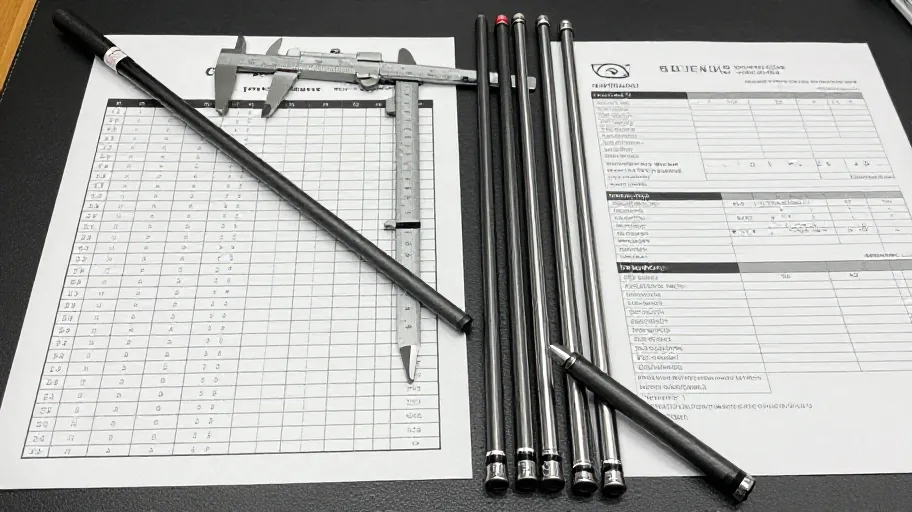
You don’t need a lab to master swing weight. With DIY-Golf.com’s kit, you can measure, adjust, and verify at home. Start by testing each club on their fulcrum scale—this replicates pro-grade measurement by balancing the club on a precise pivot point. Record each reading. If they vary (and most do), that’s your starting point.
Add lead tape incrementally near the grip or clubhead—each gram shifts swing weight predictably. Recalibrate grips using density-matched templates so future changes stay accurate. Retest until all irons match your target (e.g., D1). One user cut dispersion by 18% after syncing his set, verified over 50 range sessions.
This process means you stop relying on guesswork or expensive studios. You gain control, clarity, and lasting improvement. True consistency isn’t bought—it’s built, one calibrated swing at a time.
Master Your Swing, DIY Your Fit. DIY Golf is the premier destination for the technical golfer. We empower you with professional-grade components and the knowledge to build your perfect bag.