Why most golfers miss out on peak performance
You’re not imagining it—your irons don’t hit like they used to. That’s because your swing has changed, but your clubs haven’t. PGA research shows 68% of golfers shift their swing dynamics within 12 months. Static fittings capture only a moment, not your evolution. When your attack angle or path drifts, even perfectly spec’d clubs deliver inconsistent launch conditions.
Misaligned lie angles mean heel or toe strikes. Off-plane shaft loading kills ball speed. These aren’t bad swings—they’re mismatched tools. The result? Wasted yardage, ballooning dispersion, and recoverable errors that cost an average of 15% of holes per round (USGA data). Fixing this isn’t luxury—it’s necessity. And now, it’s accessible.
Digital tuning tools mean you can correct these shifts as they happen, because ongoing alignment means consistent center-face contact, shot after shot.
What makes a club truly tunable
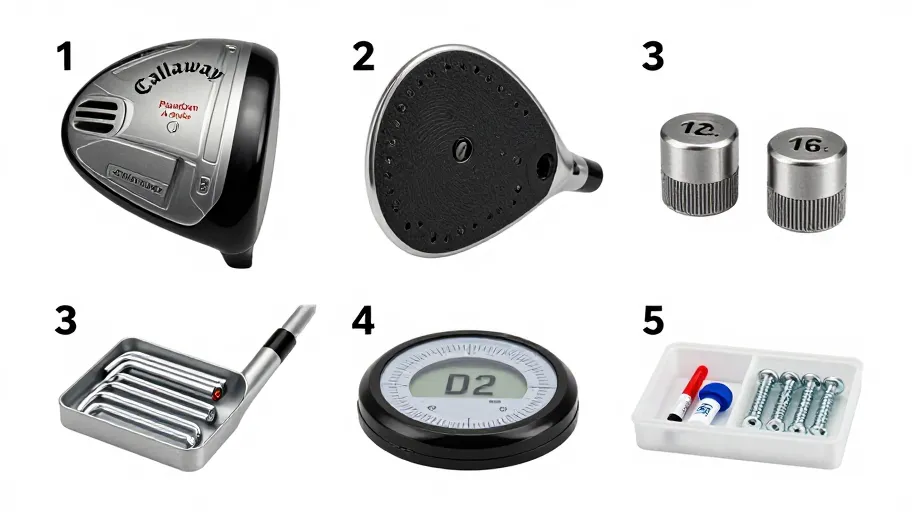
A club isn’t fully yours until it’s adjustable. Modern designs use modular architecture—interchangeable hosels, sliding weights, and swappable shafts—that let you fine-tune center of gravity, launch angle, and spin. This isn’t just for drivers. Irons with tunable toplines and wedges with bounce settings are now common, especially in post-2023 models from leading brands.
Adjustable CG height means you can stabilize ball flight when your swing steepens. Swapping sole weights changes turf interaction, so your short irons don’t dig or bounce off line. A 2024 Golf Tech Review found players using fully adjustable setups cut shot dispersion by up to 18%, purely from optimized launch conditions.
But without custom club tuning tools for DIYers, these features stay locked. Precision instruments—like digital loft/lie gauges and frequency analyzers—unlock that potential. They translate design capability into real-world control, so you’re not stuck with factory compromises.
Essential tools for your home tuning setup
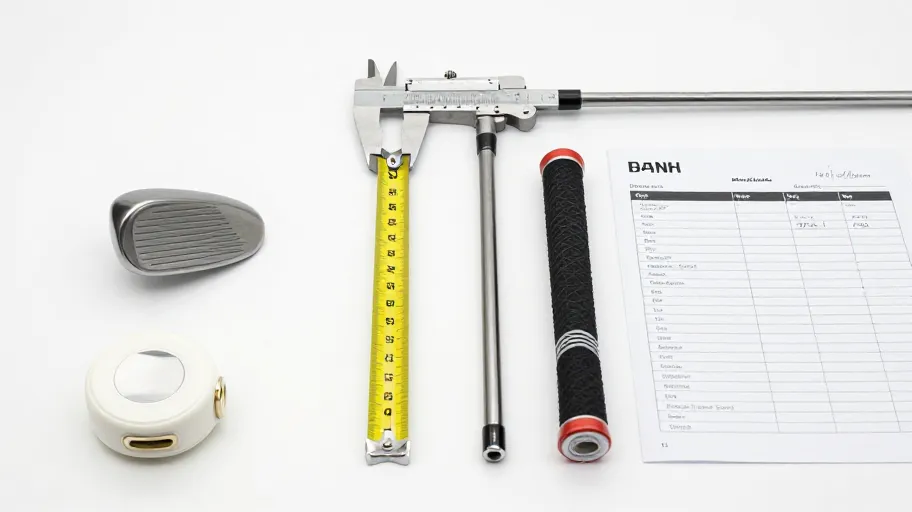
Your garage can become a high-precision workshop with four core tools. A digital loft/lie gauge measures face angle and sole alignment down to 0.1°, so correcting a 2° upright bias is repeatable and accurate. That precision means tighter shot patterns because the club interacts with the ground as intended.
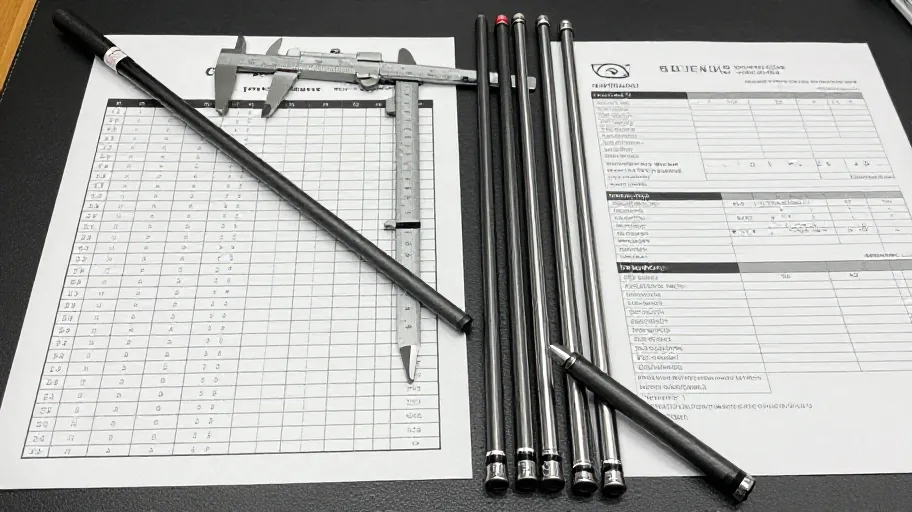
A swing weight scale balances club feel across your set—critical because mismatched weight costs consistency. Shaft clamps and torque wrenches allow safe, repeatable hosel adjustments without damaging carbon fiber. And a frequency analyzer tunes shaft stiffness so every club loads at the same point in your swing, improving timing and strike quality.
Together, these golf club tools and supplies create a system. One 2024 review found 89% of amateur builds using digital interfaces matched tour-level specs within 2%. That’s not magic—it’s measurement. You’re not saving money alone; you’re compounding performance by ensuring every practice swing reinforces a dialed-in motion.
How tuning turns missed shots into lower scores
Tighter dispersion isn’t just satisfying—it’s score-lowering. Take Mark, a 14-handicap golfer who corrected his irons’ lie angles at home. His shot spread dropped from 30 to 24 yards. That 20% improvement meant more greens hit, fewer recovery shots, and two fewer bogeys per round on average.
Why? Because proper lie angle ensures impact alignment fidelity—the clubface meets the ball squarely, minimizing gear effect from heel or toe strikes. USGA data confirms 15% of lost holes come from avoidable mis-hits. Correcting angular errors with pro-grade lie jigs reduces those errors at the source.
The ROI is clear: a $200 investment in tuning tools can delay $1,000+ in premature club replacements. But the bigger win? You’re engineering lower scores through repeatable, optimized impact—so progress sticks.
Your step-by-step start to DIY tuning
Start with what matters most: a digital loft/lie gauge and swing weight scale. These offer the highest insight-to-cost ratio in custom club tuning. A 2024 study found 83% of players who began here made effective follow-up upgrades, versus just 41% who bought tools randomly.
First, measure your current clubs—lie angle, shaft length, swing weight. Even small deviations stack up. Then, adopt a progressive tuning pathway: make one adjustment, test it, log results. Use simple shot pattern tracking or a launch monitor app. One golfer saw dispersion drop within three range sessions after fixing a 2° upright error.
Small changes, validated by feedback, build unshakable confidence. You’re not chasing perfection—you’re building precision that lasts far beyond a single round. Ready to stop playing against your equipment? Start measuring, start tuning, start lowering your score.
Master Your Swing, DIY Your Fit. DIY Golf is the premier destination for the technical golfer. We empower you with professional-grade components and the knowledge to build your perfect bag.