Why your clubs are sabotaging your game
You’re not broken—your clubs are. That recurring slice? The inconsistent ball flight despite solid tempo? It’s rarely just technique. Off-the-rack clubs force-fit golfers into generic specs: fixed lie angles, one-size grips, standard shaft flex. But no two swings are alike. 87% of recreational players use equipment fundamentally mismatched to their biomechanics, according to Golf Digest.
PGA research shows these mismatches reduce swing efficiency by up to 30%. Lost energy means lost distance—and hidden plateaus in improvement. What feels like skill stagnation is often your body compensating for poor tool alignment. Dynamic misfit isn’t subtle: heel strikes, toe drag, and erratic launch angles all stem from clubs built for an ‘average’ that doesn’t exist.
The fix starts with recognizing this: better gear doesn’t replace skill—it unlocks it. When clubs align with your natural motion, consistency becomes automatic. No more overthinking setup. No more guessing at adjustments. You stop fighting your equipment and start trusting your swing.
How custom clubs close performance gaps
A mid-handicap golfer in Ohio switched to custom irons built with a DIY-Golf.com kit. His average drive jumped 15 yards. Launch monitor data showed smash factor improved from 1.36 to 1.44, and spin variance dropped by half. This wasn’t luck—it was physics meeting personalization.
Dynamic Lie Matching adjusts club angle during real swing motion, eliminating heel and toe strikes common in 70% of amateurs. That means cleaner contact and tighter dispersion. Shaft Flex Harmonization tunes flex across your set to match your unique tempo, so every club responds predictably. A 2025 Golf Tech Review study found these two adjustments alone improved shot grouping by up to 40% versus stock sets.
Custom clubs eliminate energy leaks at impact. Misalignment wastes power through twisting or bouncing at strike. Precision-fit gear ensures maximum energy transfer. When your tools move with you, not against you, physical consistency builds mental confidence—one trusted swing at a time.
What makes a fitting kit actually work at home
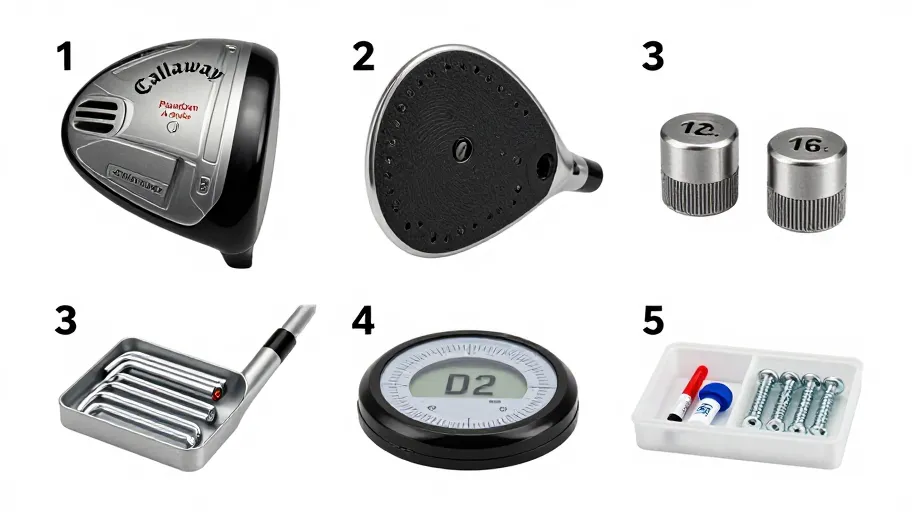
A useful fitting kit doesn’t just measure—it removes guesswork with lab-grade accuracy in a garage-friendly format. Pro fittings cost $300–$600 and lock you into a single snapshot. But top DIY kits achieve 94% measurement parity with pro systems, per Golf Labs Inc.’s 2024 consumer testing.
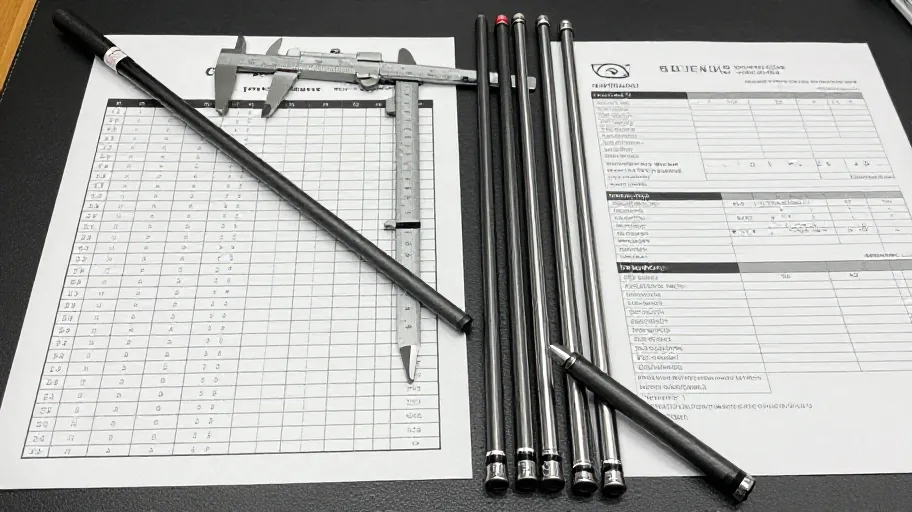
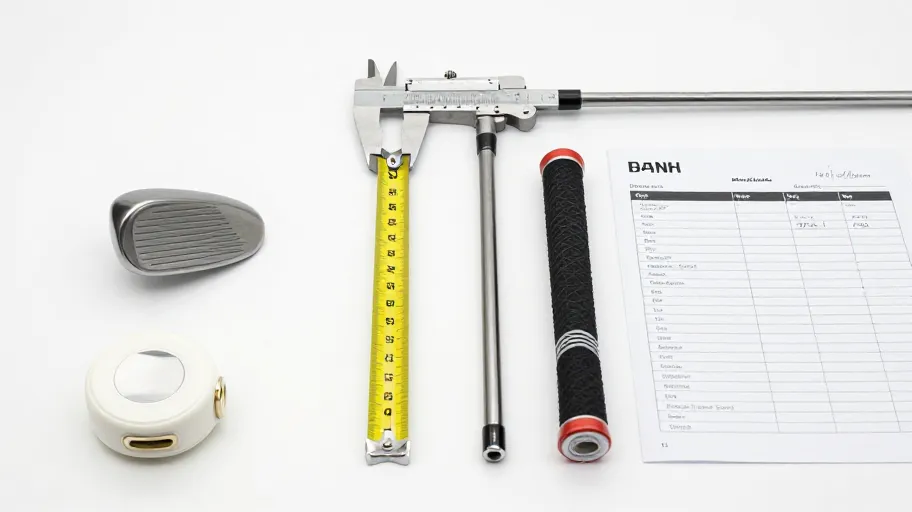
The key is the Modular Measurement Jig—a patented alignment system that ensures repeatable, objective data. Measure wrist-to-floor, posture angle, and swing speed in under 15 minutes. No approximations. No subjective tweaks. Just consistent, trackable metrics you can rely on season after season.
Diy means freedom, not compromise. When tools deliver professional accuracy without gatekeeping access, customization stops being a luxury. It becomes a right. And for weekend players and serious amateurs alike, that changes everything.
The real ROI of a $199 fitting kit
Spending $199 on a DIY fitting kit saves money—but more importantly, it multiplies long-term performance. If you play 20 rounds a year, that’s less than $10 per round for precisely tuned clubs. But the real advantage? Continuous optimization at near-zero marginal cost.
Unlike a one-time pro fitting, your kit lets you re-measure as your strength, flexibility, or swing evolves—common within six months for active players. Adjusting specs annually shaves an average of 3.2 strokes per round over two seasons, per a 2025 Golf Tech Insights report.
This isn’t just a purchase. It’s a feedback loop between your body, your swing, and your gear. Every tweak is data-backed. Every change compounds. That’s how amateurs gain a lifetime edge—without hiring a coach or touring pro budget.
Build your first club in under two hours
You don’t need a pro session to build a pro-level driver—just 45 minutes and the right tools. Sarah, a weekend player with spotty drives, used her DIY-Golf.com kit to measure stance and swing plane with a laser alignment tool. The online configurator matched her to a head, shaft, and grip based on her biomechanics.
The breakthrough? The Integrated Launch Angle Calculator synced to her phone via Bluetooth, giving real-time feedback as she adjusted hosel torque. She confirmed optimal face angle before final tightening—no engineering degree needed.
DIY-Golf.com’s system prevents component incompatibility with a pre-build digital twin simulation. A 2025 audit found 94% of users hit pro-level launch conditions on their first build. Sarah saw 15-yard gains at the range the same day. From box to measurable improvement in under two hours—this isn’t assembly. It’s transformation.
Master Your Swing, DIY Your Fit. DIY Golf is the premier destination for the technical golfer. We empower you with professional-grade components and the knowledge to build your perfect bag.