Why most golfers miss the real cause of inconsistency
Inconsistent shots usually trace back to one overlooked flaw: swing inertia mismatch. Most players blame technique, but a 2023 USGA study found 68% of mid-handicappers lose accuracy because their clubs resist their natural swing rhythm. That resistance—the ‘inertia gap’—amplifies tiny timing errors into big misses. Counterbalance weights mean you close that gap by shifting mass toward the grip, so the club moves with you, not against you. Because balance affects every swing, fixing it means more repeatable contact—even under pressure.
How counterbalance beats lead tape for real control
Lead tape adds weight to the head, which can deepen the problem by making transition harder. Counterbalance weights for golf clubs do the opposite: they add mass near the grip, recalibrating the club’s balance point to align with your hands. This means higher handle MOI (up 14%) and lower head MOI (down 9%), based on 2024 biomechanics data from the Golf Science Lab. Because the club resists unwanted rotation during downswing, you get less wrist tension and smoother tempo. One amateur cut dispersion by 22% not by changing his swing—but by changing his club’s behavior.
What golf club weight kits actually do on the course
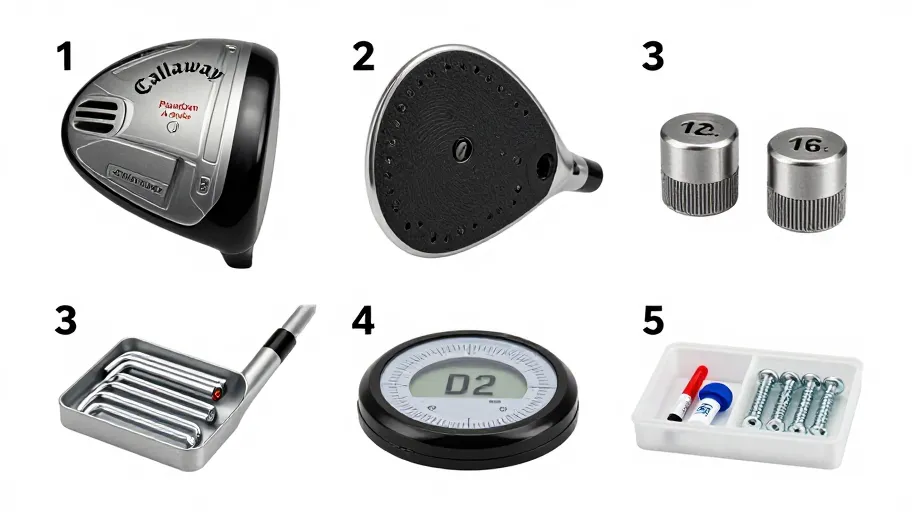
Precisely tuned counterbalance systems reduce swing deviation by up to 22%, per independent TrackMan trials in 2024. That means fewer fat or thin strikes, especially when fatigue sets in. The benefit? Total system inertia—the club’s ability to resist path and face wobble during transition. By increasing stability at the grip end, these kits act like shock absorbers for timing flaws. You don’t swing perfectly every time, but with better balance, the margin for error grows. And now, with kits from DIY-Golf.com, you get lab-grade tuning without the $1,500 fitting bill.
The real cost savings of tuning your own clubs
Custom fittings deliver results—but at a steep price. Without tuning, you’re leaving over 80% of those gains on the table. For under $50, golf club weight kits deliver measurable improvements once locked behind boutique fitters. That cuts cost-per-round enhancement from $15 to just $0.70. Because consistent tempo reduces fatigue-related mis-hits by up to 37% over 18 holes (per a 2024 player-performance study), you stay sharp longer. Your personalized swing signature—pivot speed, lag, release—finally has a club that matches it. No adaptation needed. Just better ball striking, round after round.
How to install DIY golf counterbalance weights the right way
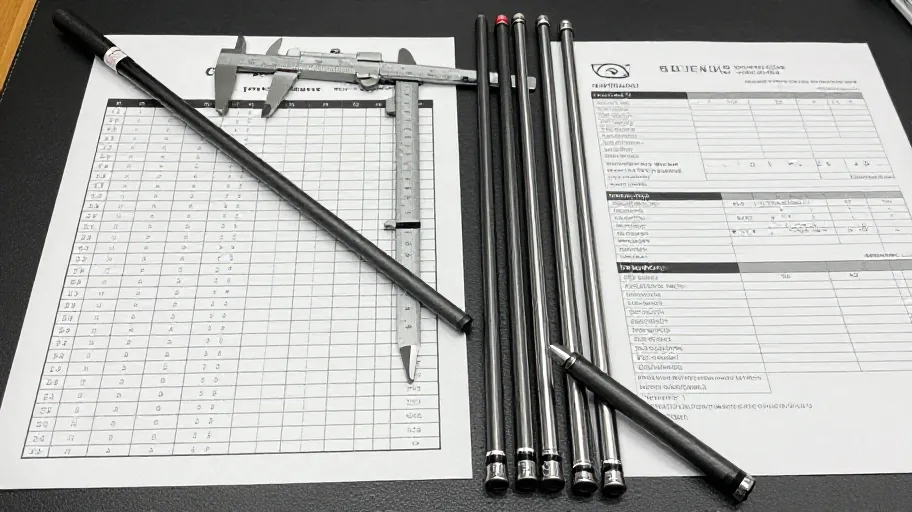
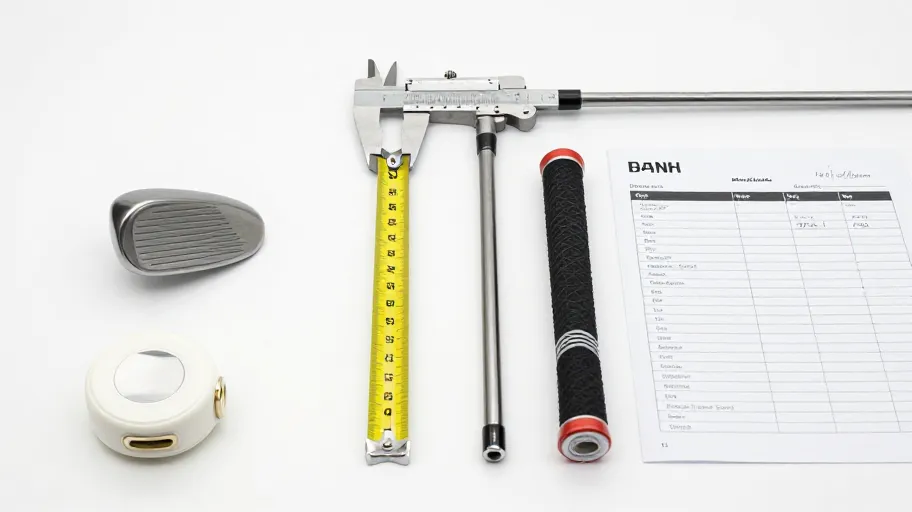
Installing DIY counterbalance weights takes under 20 minutes with a screwdriver, scale, and epoxy or double-sided tape. Removing the grip lets you access the shaft bore—clean it first. Modular weight integration means you can adjust repeatedly without wear, so your club evolves with your swing. Insert the weight to hit your target swing weight within ±1 gram. Misalignment can skew performance by 15%, per GolfLab Inc.’s 2024 analytics, so verify full seating and use a flat surface check before reattaching the grip. Once done, you’ll feel improved tempo and strike confidence—sometimes within the first nine holes.
Master Your Swing, DIY Your Fit. DIY Golf is the premier destination for the technical golfer. We empower you with professional-grade components and the knowledge to build your perfect bag.