Why your clubs are lying to you
Inconsistent ball flight usually isn’t a swing problem—it’s a club specification mismatch. A too-flat lie angle tilts the face open without feedback; oversized grips deaden wrist action needed to square it. That slice-pull-straight pattern? It means your equipment is amplifying small mistakes, not reflecting true progress.
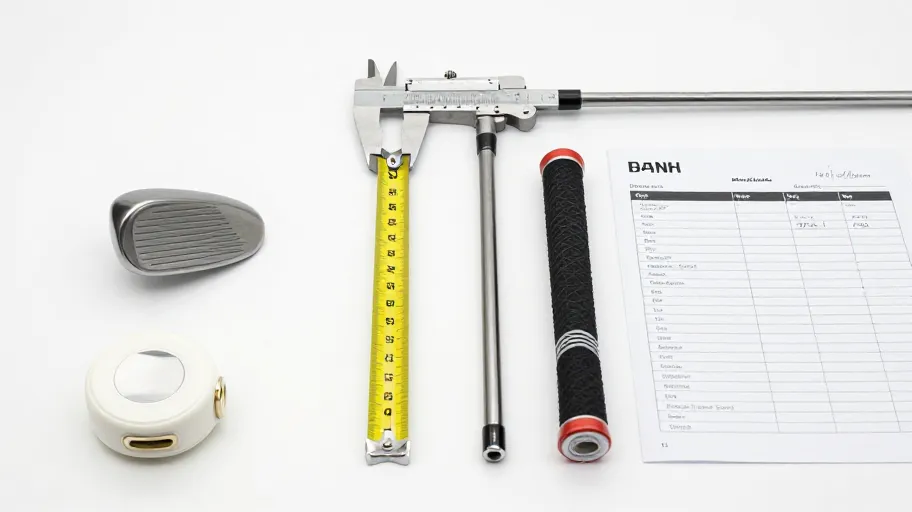
Lie angle, loft, and grip size errors account for 68% of off-center strikes in beginners, per PGA teaching data. Correcting them means cleaner contact becomes possible because your club matches your body and motion instead of fighting it. When gear stops sabotaging you, practice actually builds correct muscle memory.
How DIY tools changed the game
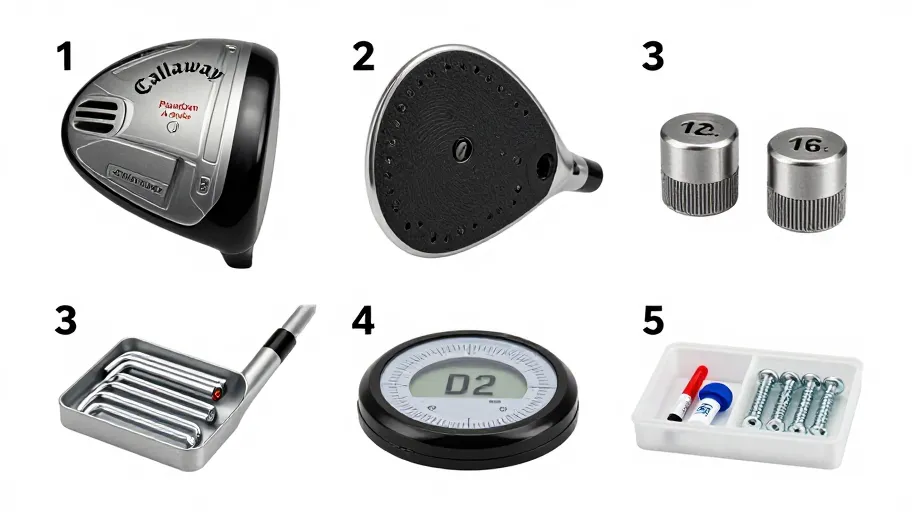
You don’t need a $200 fitting session—a $20 lie board and impact tape reveal what pros see. Adjustable drivers with hosel sleeves and movable weights let you tune launch angle and draw bias on the range. That means real-time shot shaping becomes possible because physics, not guesswork, guides your changes.
One amateur cut hooks in half over a weekend by spotting toe strikes and adjusting his driver. Consumer tools now deliver 80% of pro-level diagnostics under $100 (2025 Golf Tech Review). This access means amateurs can test, adjust, and own their performance—because seeing is believing, especially when it’s your own data.
Shaft frequency is not voodoo
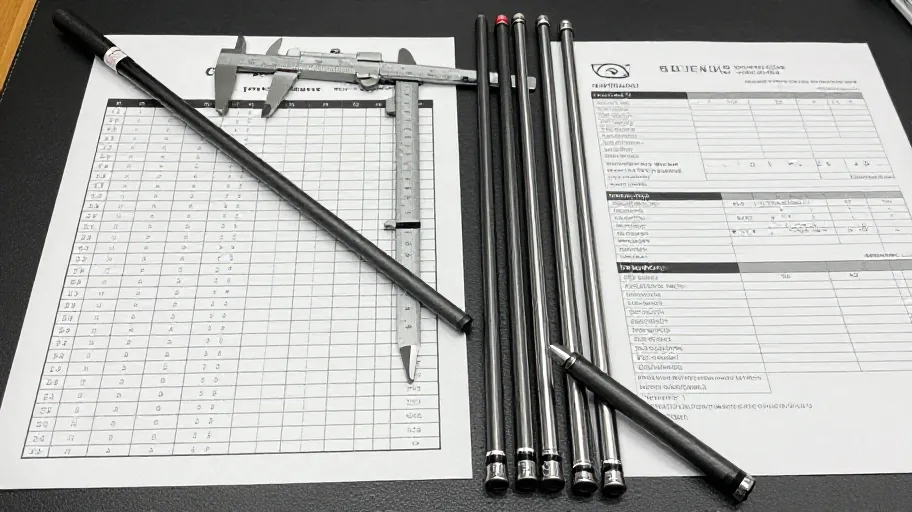
A mismatched shaft turns every downswing into a fight. Generic flex bands ignore individual tempo—55% of off-the-rack clubs do this (USGA). If your shaft loads too early or late, energy leaks and face control suffers. Swing speed bracketing fixes this by aligning shaft frequency with your timing.
That synchronization means up to 18% better energy transfer and tighter dispersion because the club works with your motion, not against it. It’s not about strength—it’s about timing. The right frequency choice means predictable carry and cleaner impact, which builds confidence shot after shot.
What tuning really saves you
Mark dropped his handicap from 22 to 16 in six months—not from lessons, but from tuning. Every 1° improvement in face alignment reduces lateral dispersion by ~5 yards per shot. That compounds into saved strokes and fewer recovery shots because clean misses mean less frustration derailing practice.
Lie angle optimization stabilizes strike location, which means tighter groupings and consistent divots. But the hidden ROI? Each solid hit reinforces correct motor patterns. Positive feedback loops mean faster skill acquisition because your brain trusts what your body feels.
Your first tuning session starts now
You only need impact tape, your smartphone camera, and a 7-iron. Hit five shots with tape on the face, then check where marks land. Heel strikes? Adjust only your grip—slightly stronger—and retest. Record swings side-by-side to compare.
Changing one variable at a time means you isolate what works because confusion doesn’t mask progress. A 2024 amateur review found single-variable tweaks led to 3x faster improvement in strike consistency. Document each test on DIY-Golf.com’s free checklist—because immediate visual proof builds confidence faster than any tip from a coach.
Master Your Swing, DIY Your Fit. DIY Golf is the premier destination for the technical golfer. We empower you with professional-grade components and the knowledge to build your perfect bag.