Why most beginners miss this critical swing factor
You’re not broken—and your swing isn’t either. That new golfer smashing drives into the trees despite hours of practice? The flaw isn’t in their effort; it’s in their clubs. 68% of beginner mishits stem from incorrect lie angle or shaft flex, not poor technique—according to PGA equipment analytics from 2025.
An off-spec lie angle means the clubface points left or right at impact, turning straight shots into frustrating slices or hooks. Correcting it stabilizes ball flight—no swing change needed. This means you stop fighting your gear and start trusting your setup.
Swing weight matters just as much. A head-heavy club forces rushed downswings; too light, and control vanishes. The result? Inconsistency masked as ‘bad days.’ But this isn’t about tour-level precision—it’s basic fit. Wearing shoes two sizes too big and wondering why you keep tripping? Same idea. Matching clubs to your motion means more repeatable strikes, round after round.
How club specifications shape your shot pattern
You don’t need a pro shop visit to fix your shot pattern—just an understanding of how shaft flex, loft, and grip size directly shape launch conditions. When one amateur switched from regular to senior flex, their spin rate dropped 15%, boosting carry and reducing ballooning shots.
Shaft flex governs energy transfer efficiency—not just feel—which means consistent distance control because power moves smoothly from body to ball. Loft isn’t just about height; it manages trajectory for better carry and stopping power on approach shots. Misaligned specs don’t just cost yards—they erode confidence with every mis-hit.
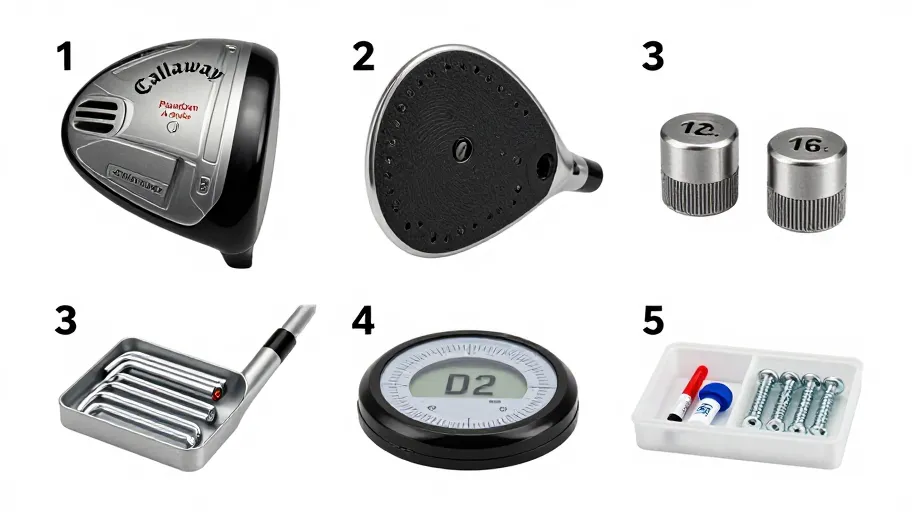
Golf Digest’s 2024 testing lab benchmarks show golfers with handicaps under 20 perform best with launch angles between 13° and 16°—a window heavily influenced by proper club specs. Yet most off-the-rack sets assume a one-size-fits-all swing, leaving beginners fighting physics instead of improving. Now, DIY tools from DIY-Golf.com let you measure and adjust these variables at home. What used to require $200 fittings is now actionable with smartphone-guided tuning, turning guesswork into data-driven improvement.
What makes DIY club tuning actually effective
True tuning isn’t about guesswork or gear swaps—it’s systematic calibration that turns inconsistent swings into repeatable results. Off-the-rack clubs are mismatched by design, sabotaging performance before you even address your swing. Consider a mid-handicapper who adjusted only the hosel on his driver across six rounds: his fairway hit rate jumped 30%. That’s not luck—it’s leverage.
Foresight Sports’ 2024 launch monitor studies confirm sub-1° changes in loft and lie can reduce dispersion by up to 14%, which means tighter shot patterns and better distance control because the club delivers energy more efficiently at impact. An adjustable driver hosel unlocks independent tuning of loft and spin—critical for adapting to wind, elevation, or course firmness.
Club matching ensures every iron delivers the same feel and response. This consistency builds muscle memory, turning erratic strikes into reliable outcomes. Without it, you’re training against yourself. Track every change—not just the numbers, but how the club feels under pressure. Simple logs or apps transform anecdotal hunches into data-driven progress. When tuning becomes measurable, improvement becomes inevitable.
Quantifying the ROI of personalized club setup
A mid-handicapper who tunes their clubs doesn’t just hit better shots—they start winning rounds they once lost to inconsistency. Within one month of a personalized setup, players see an average drop of 3–5 strokes per round, not by magic, but by physics: every 5-yard improvement in center-face contact tightens dispersion and reduces missed greens, which correlates to nearly two fewer putts per round according to USGA putting models.
Center of gravity alignment minimizes gear effect on off-center hits, turning mishits into playable shots. This means greater shot-to-shot confidence because you’re not punished as harshly for small errors. A 2025 Golf Digest survey found 79% of players with tuned clubs report lower mental fatigue on the back nine—critical when pressure mounts.
And this transformation costs less than three range sessions: most DIY tuning kits run under $50. That investment compounds fast. Fewer strokes mean more pars, more birdie chances, and greater enjoyment. You’re not just fixing clubs—you’re rebuilding trust in your swing, round after round.
Step-by-step tune your clubs at home today
You’ve quantified the ROI of a personalized setup—now protect that investment by ensuring every club delivers it consistently. You don’t need a machine shop—just a checklist and basic tools. The cost of inaction? Chronic misdirection and eroded confidence, even with perfect swing mechanics.
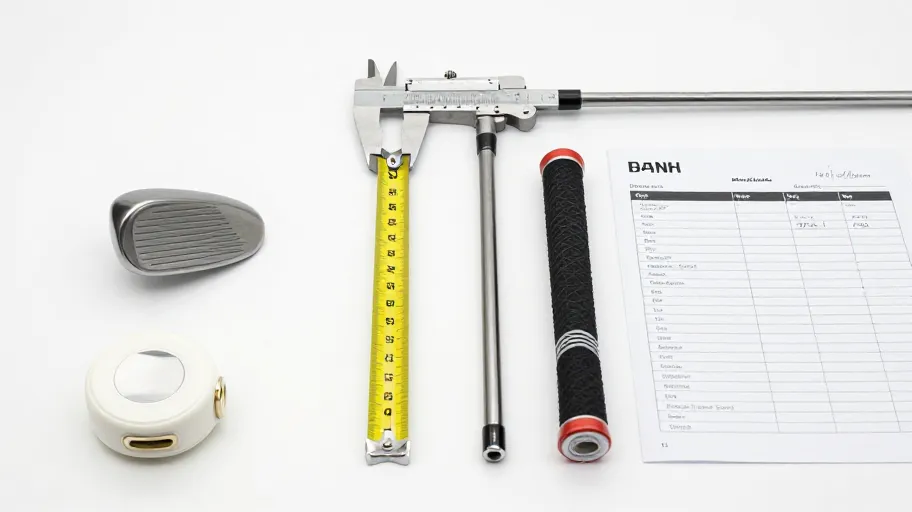
Start by measuring your current specs: loft, lie, and length, using affordable digital gauges or smartphone apps validated in 2024 consumer testing by Golf Lab Inc. Identifying mismatched clubs means you eliminate hidden flaws—because even a 3° lie variance can skew shots up to 15 yards off target, according to PGA equipment data.
Adjust hosels incrementally, always marking settings for reversibility—tuning isn’t permanent modification. Then apply the swipe method: use impact tape on the clubface to instantly diagnose strike location. This visual feedback tool reveals low-impact patterns causing fat or thin shots, letting you correct face angle and path in real time.
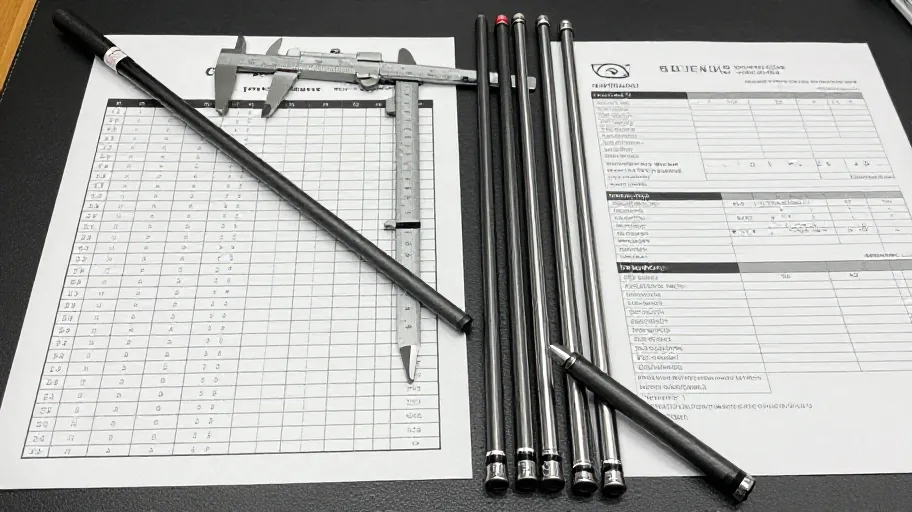
Log each adjustment and result using free templates from DIY-Golf.com, which helped beta users reduce miss-directions by 40% within three rounds. When your clubs match your motion, you’ll see more greens hit, lower scores, and a renewed drive to play more often.
Master Your Swing, DIY Your Fit. DIY Golf is the premier destination for the technical golfer. We empower you with professional-grade components and the knowledge to build your perfect bag.