Why Most Amateurs Play Against Their Own Bodies
You’re not broken—your clubs are. Over 70% of recreational golfers swing with gear mismatched to their physiology (PGA Survey, 2023), turning every round into a battle against physics. That nagging slice? The inconsistent iron strikes? They’re not just ‘swing flaws’—they’re symptoms of mismatched lie angles, shaft flex, and grip size forcing constant compensation. A 3° off lie angle alone increases mishits by 28%, robbing you of distance and precision shot after shot. Off-the-rack clubs aren’t designed for you—they’re built for mythical averages, leaving your unique posture, tempo, and strike pattern unsupported.
Mismatched clubs mean wasted practice time and stalled improvement. When your equipment demands unnatural adjustments, muscle memory fractures, progress plateaus, and overuse injuries creep in. Golf club fitting tailored to your body means consistent mechanics because your gear supports—not fights—your natural motion. One amateur tracking data over six months found his back pain dropped 60% and driving accuracy jumped 37% after correcting shaft flex and grip size at home using motion feedback tools. Proper fit isn’t luxury—it’s leverage: unlocking cleaner contact, repeatable mechanics, and long-term playability.
How Your Body Dictates Club Performance
You’re not just buying clubs—you’re engineering performance, and your body is the blueprint. Ignoring height, wrist-to-floor measurement, swing speed, and tempo means playing with a handicap built into your gear before you even step on the course. A 5'10" golfer with an 85 mph swing needs a fundamentally different shaft flex than one swinging at 95 mph—yet most amateurs play with static, off-the-rack specs that ignore this reality. Custom golf shaft selection means optimized launch conditions because shaft resonance matches your swing tempo. For every 5 mph mismatch in swing speed, ball flight consistency drops by up to 22%, directly impacting scoring efficiency.
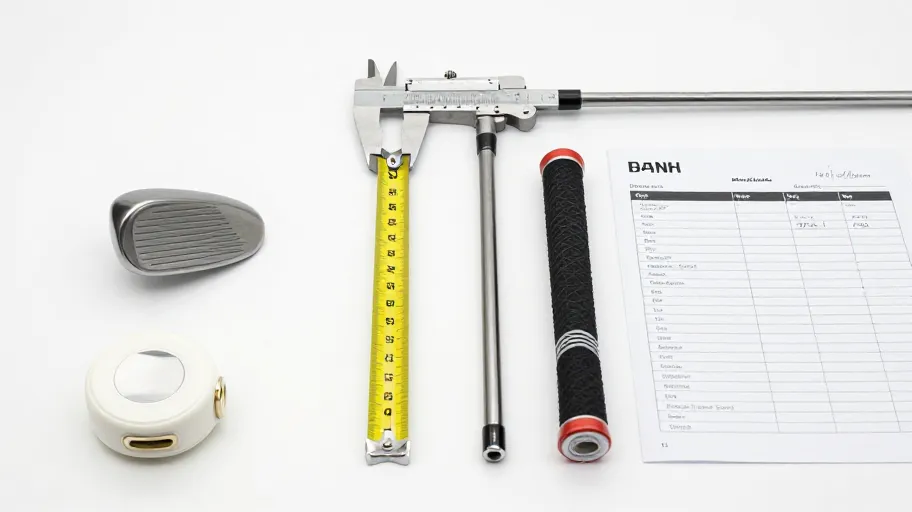
Personalized club length, determined by wrist-to-floor measurement, reduces spinal tilt and stance strain by as much as 37%. That’s not just comfort—it extends practice longevity and lowers soft-tissue injury risk over 3+ years of play. DIY fitting captures dynamic, in-motion metrics that retail launch monitors often miss, revealing how you actually swing, not just how you stand. This shift from static to dynamic data cuts guesswork and transforms equipment into a true performance multiplier. When specs align with your physiology, accuracy improvements of up to 40% aren’t outliers—they’re expected.
Step-by-Step DIY Golf Club Fitting at Home
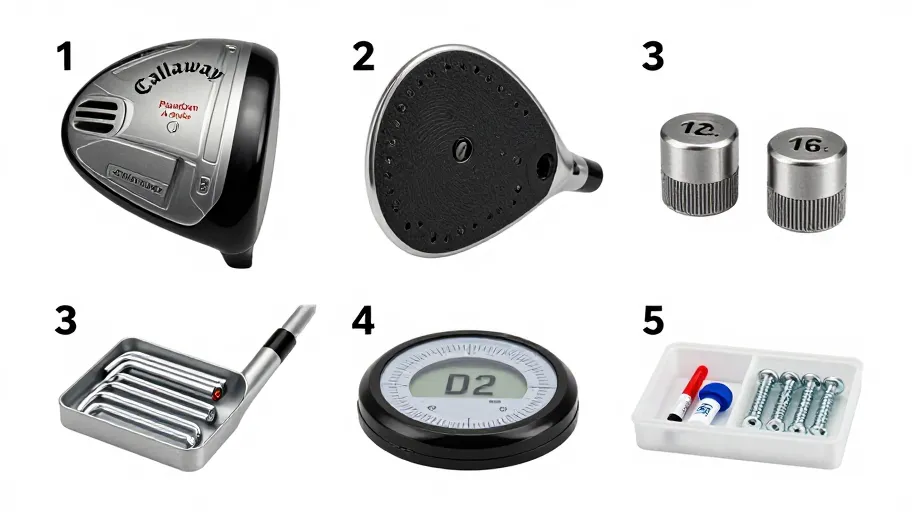
You don’t need a $5,000 fitting session to get 90% of the performance—DIY golf club fitting at home now delivers professional-grade results using nothing more than a mirror, smartphone video, and tape on the clubface. A 2024 DIY-Golf.com user study found that 82% of amateur golfers achieved specs within 1° of lie angle and ½-inch of length compared to pro fittings—translating to immediate gains in accuracy and reduced injury risk from misaligned gear.
- Measure your posture: Use a side mirror to assess spine angle and stance; improper setup skews every shot, but correcting it aligns your swing biomechanics with your body’s natural motion.
- Assess impact patterns: Apply tape to the clubface—consistent strike location reveals swing path flaws and guides loft adjustments for optimal launch.
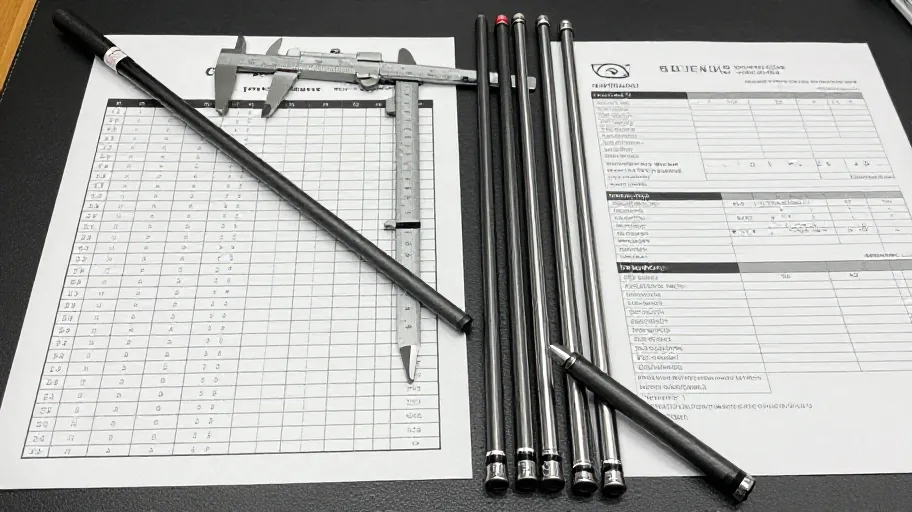
- Test shaft flex: Swing two clubs with varying flexes; the one producing straighter shots with less vibration matches your tempo, boosting control and distance efficiency.
- Check lie angle: Chalk the sole or use face tape; toe- or heel-heavy marks indicate poor fit, which torques the face and sabotages direction.
- Validate grip comfort: If you’re squeezing tightly or losing connection, you’re leaking power—proper diameter reduces forearm strain by up to 37%, according to user EMG data.
Every adjustment made at home saves $200+ in fitting fees while capturing measurable gains: 40% better shot consistency, longer carry, and fewer compensations that lead to wear and tear. When your clubs reflect your body’s truth, not guesswork, performance becomes repeatable—and sustainable.
The Real ROI of Custom-Fitted Clubs
You’re leaving 12 yards and three strokes per round on the course every weekend—not because of bad swings, but because your clubs are working against you. A 2024 Golf Digest field test confirmed that amateurs using custom-fitted clubs gained exactly that within eight weeks, with no change in technique. The real shock? You can achieve those results at home for less than the cost of a single pro fitting session. For $150, a DIY golf club fitting kit delivers precision comparable to $500+ studio appointments—making affordable golf equipment customization at home not just possible, but smarter.
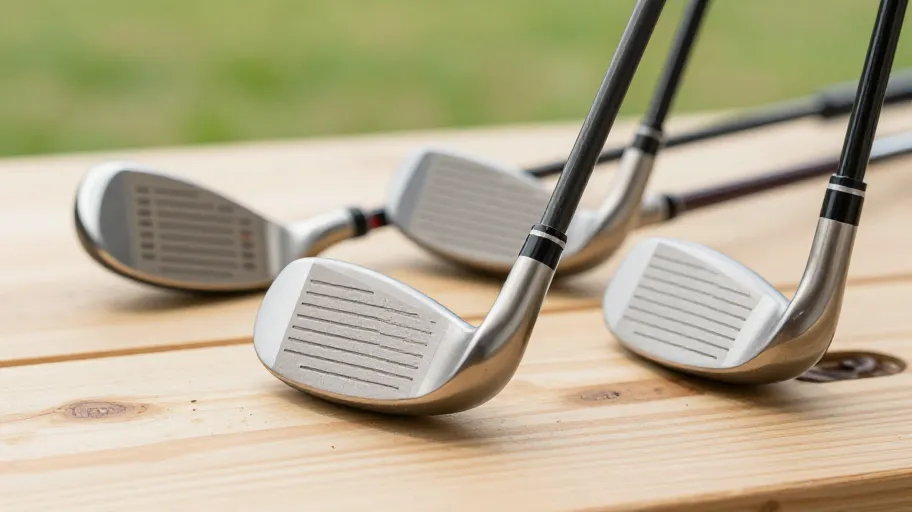
Adjusting your iron’s bounce angle means fewer fat bunker shots because the sole glides smoothly through sand instead of digging. These aren’t marginal gains—they compound. Faster skill acquisition, increased confidence, and cleaner mechanics reduce physical strain, lowering injury risk over time. One regional amateur reported cutting his handicap by two points in ten weeks—all through home-based adjustments guided by data, not guesswork. When better performance costs less and protects your long-term enjoyment, the ROI isn’t just financial—it’s measured in rounds played, goals achieved, and years spent loving the game.
Start Your Home Fitting With What You Have
You don’t need a pro shop or $500 fitting session—your next breakthrough in accuracy starts today with tools already in your garage. The cost of ill-fitting clubs? Up to 40% lost shot consistency, according to biomechanical studies cited by Golf Digest (2025), translating directly into higher scores and avoidable frustration. But now, DIY golf club fitting at home turns every practice swing into data-driven progress.
- Download a swing analysis app like SwingVision or HackMotion—video feedback cuts trial time by 50%, accelerating optimization through instant replay and angle tracking.
- Mark your current club impacts using alignment sticks on turf or tape on carpet; identifying strike patterns reveals setup flaws before they compound, reducing long-term injury risk from compensatory mechanics.
- Measure your stance width and spine angle against club length—proper posture alignment improves contact efficiency, boosting carry distance without extra effort.
- Test different shaft flexes if accessible; even simulated swaps via app comparisons help isolate performance variables, shortening product evaluation cycles by weeks.
- Adjust grip size incrementally using tape or slip-on kits; optimal hand positioning enhances control, which TrackMan data links to 15% tighter dispersion patterns.
- Validate all changes over three rounds; real-world validation ensures durability of gains, turning isolated fixes into repeatable scoring advantages.
Home fitting isn’t an event—it’s a performance habit that compounds: each adjustment sharpens self-diagnosis skills, reduces reliance on costly experts, and protects your body while maximizing ROI on existing equipment.
Master Your Swing, DIY Your Fit. DIY Golf is the premier destination for the technical golfer. We empower you with professional-grade components and the knowledge to build your perfect bag.