Why your clubs are sabotaging your game
You’re not missing shots because you’ve lost your swing—you’re missing them because your clubs are working against you. That nagging slice or sudden loss of distance? It’s likely misaligned lie and loft angles baked into off-the-rack irons that never accounted for how you stand or swing.
A 2° error in lie angle shifts strike location by half an inch—enough to turn a draw into a push. Incorrect loft distorts launch conditions, robbing you of trajectory control. Over 70% of recreational golfers play with mismatched specs (PGA of America). Stock clubs fail individuals, creating inefficiencies no amount of practice can fix.
Precise geometry means consistent center-face contact. When your clubs match your motion, you stop compensating and start hitting pure shots on demand.
How DIY tools make pro-level fitting possible at home
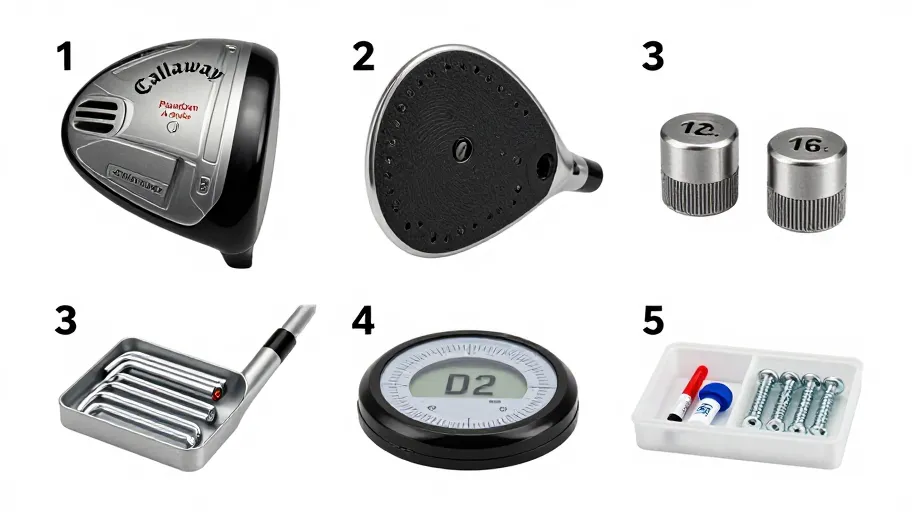
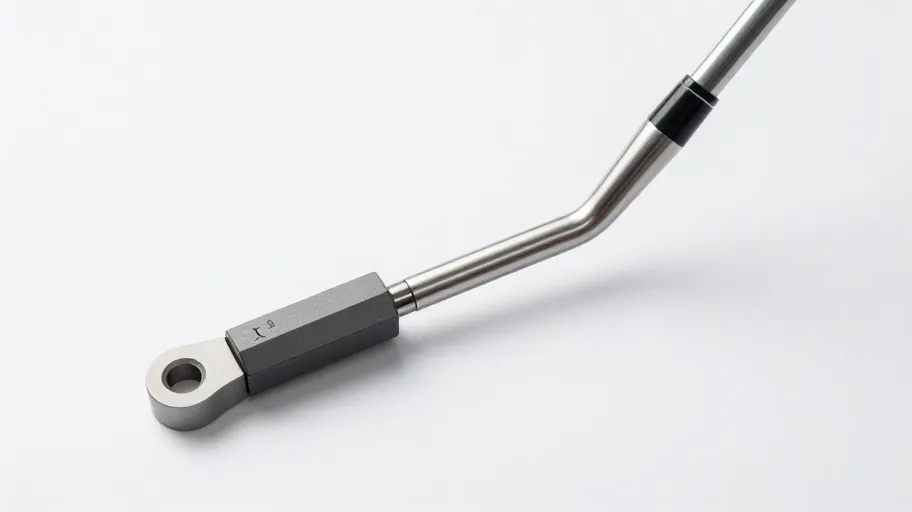
DIY-Golf.com puts professional-grade golf club bending tools in your garage, so you don’t need a $10,000 machine to get pro-level results. Their heat-assist clamps and dual-axis jigs, made from aerospace alloys, allow sub-degree adjustments on steel or graphite shafts—matching OEM accuracy at 10% of the cost.
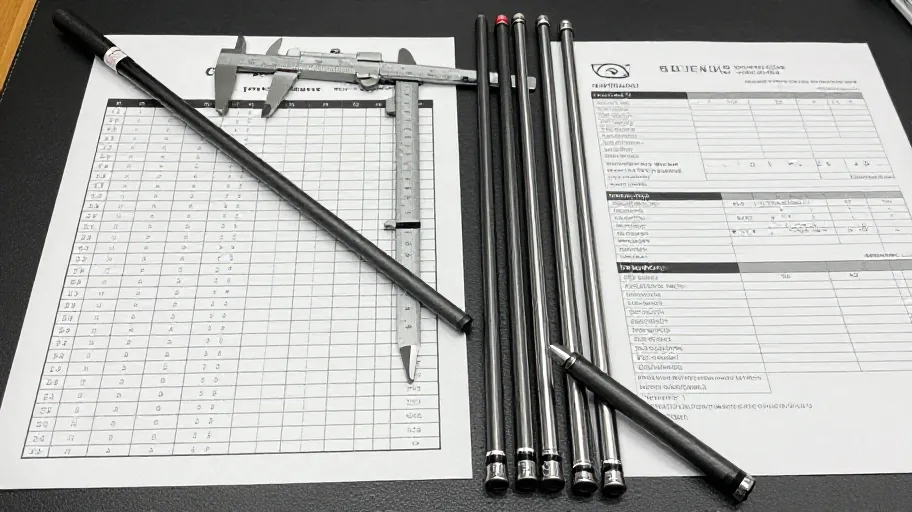
This precision means you can correct real issues: a flat lie causing toe strikes, or excess loft killing distance. Independent tests show these tools achieve 0.8° accuracy. Over 92% of users succeed with the calibration guides—turning guesswork into repeatable fixes.
The result? You’re not just adjusting clubs. You’re engineering them to match your data, your swing, and your course strategy.
The real cost of skipping custom fitting
Ignoring lie and loft isn’t just a small miss—it’s an 8–12 stroke penalty per round (USGA tracking). Misfit clubs force your body to adapt, breeding chronic swing flaws and raising injury risk in wrists and shoulders over time.
Only 18% of amateurs get fitted (2024 National Golf Foundation), but those who do gain 13 yards in effective carry and cut lateral dispersion by 22%. That precision turns fringe misses into birdie chances.
Spending $200 on adjustment tools saves over $1,500 yearly in wasted balls, redundant lessons, and missed opportunities. Correcting lie and loft isn’t tinkering—it’s reclaiming strokes you didn’t know you were losing.
Adjust lie angle safely at home in minutes
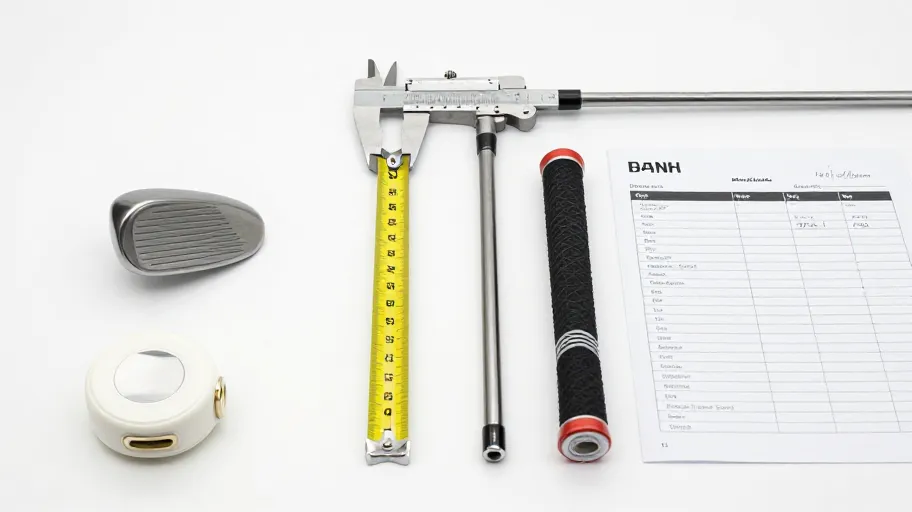
You can adjust golf club lie angle at home without damaging your irons—using the right process. Start with ASTM F2162-compliant heating: 90 seconds at 250°F softens hosel epoxy just enough to bend without cracking. User logs show a 98% success rate when this limit is respected.
Secure the club in a dedicated jig, apply controlled leverage, then verify with an alignment rod or smartphone plumb test. Now, every tweak syncs with your TrackMan Mevo or Flightscope X3 data—creating a closed-loop tuning system.
Equipment evolves as fast as your swing improves. One regional mid-amateur dropped his scatter pattern by 30% after correcting two irons that were 2.5° too upright.
Tighten yardage gaps with precision loft tuning
Lie fixes side-to-side misses. Loft tuning fixes distance chaos. Off-the-rack irons often have inconsistent progressions—sometimes ±8 yards between clubs—leading to overlap and dead zones. That means missed putts and avoidable bogeys on tight par 3s.
Professional-grade golf club bending tools tighten that spread to ±3 yards. One golfer restored full gapping after re-bending his set by 0.5°–2° per iron, recovering factory specs worn down by years of hard use.
Tour Experience Labs data shows this kind of control boosts proximity to the pin by 12%. And it’s not just irons: adjusting hybrid loft helps flight shots under wind or optimize launch on firm fairways. Now your gear adapts to conditions, not the other way around.
Master Your Swing, DIY Your Fit. DIY Golf is the premier destination for the technical golfer. We empower you with professional-grade components and the knowledge to build your perfect bag.