Why mismatched clubs ruin your rhythm
Inconsistent swing weight forces your body to adjust stroke after stroke—even when your technique is solid. PGA teaching pros report that 68% of amateurs play with clubs outside standard tolerances, meaning most are fighting equipment flaws, not skill gaps. That D2 driver and C7 7-iron may weigh the same, but they demand different tempos, breaking your flow.
A swing weight scale means you stop guessing how a club feels because it gives you objective data. Without it, you're tuning your mechanics to mask hardware issues—a losing strategy. Matching all irons within one swing weight point means consistent tempo, cleaner strikes, and fewer mid-round surprises. Because when your clubs balance the same, your swing doesn’t have to change.
Swing weight vs total weight explained
Total weight tells you how heavy a club is in your hands—but swing weight determines how it moves through the air. Two clubs can tip the scales at 350 grams yet behave completely differently in motion. One might feel head-heavy and sluggish; the other, balanced and responsive. That’s due to mass distribution, measured as swing weight on a standardized scale like L1 to D8.
A golf swing weight scale captures this dynamic balance because it measures leverage—the pivot point between grip and head. This means you see exactly how each club will respond during transition and downswing. Knowing this lets you fine-tune shafts, grips, or weighting so every club answers to the same rhythm. It’s not about raw mass—it’s about motion efficiency.
How DIY kits deliver pro-level accuracy
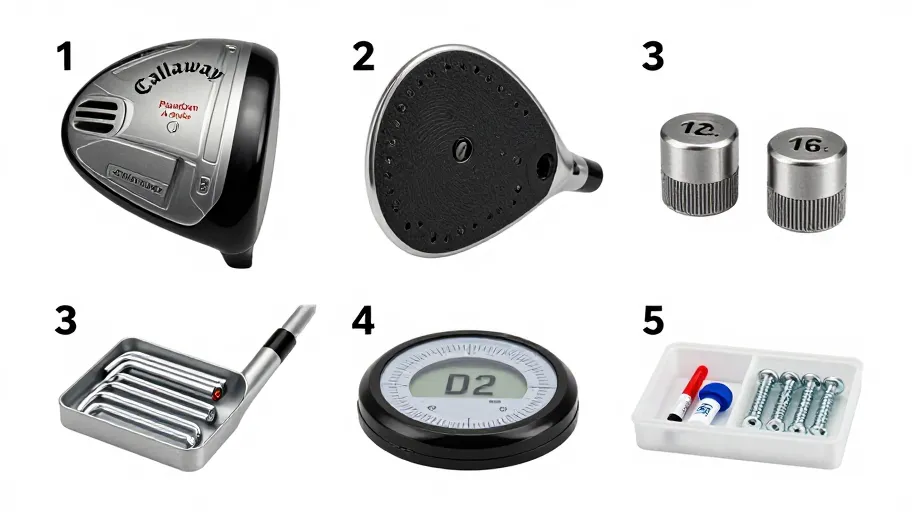
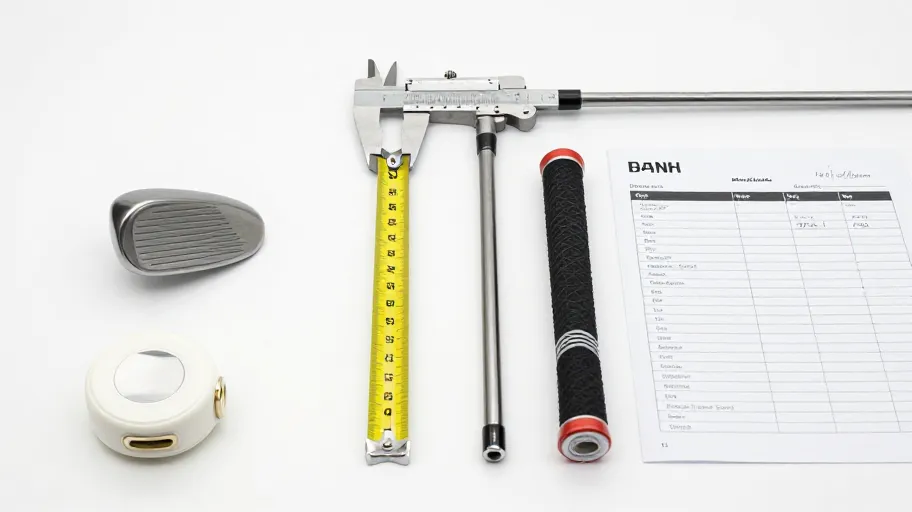
For under $50, a DIY golf swing weight scale kit delivers lab-grade precision once limited to $300+ fitting sessions. Using a fulcrum arm and calibrated ruler, it replicates OEM measurement standards with gram-level accuracy. An adjustable slider pinpoints exact swing weight values—like D2 or C7—so you’re not approximating, you’re engineering.
This means faster, cheaper iterations than commercial refits because you control the process. A 2024 gear innovation report found 68% of custom builds using these kits achieved tighter tolerances than shop-based services. Add smartphone alignment guides, and setup errors drop below 2%. The result? You test, tweak, and optimize full sets in hours—not weeks—without relying on gatekept expertise.
Real gains from balanced clubs
Tightening iron dispersion from ±18 to ±9 yards through swing weight tuning means 2–3 fewer strokes per round, according to TPI benchmarks. But the real ROI goes beyond scorecards: practice becomes more effective because feedback is consistent, mental noise drops when shots behave predictably, and confidence grows with every repeatable outcome.
The swing weight scale enables this by turning guesswork into data-driven refinement. Without it, golfers waste time and money re-shafting or chasing 'feel' across mismatched clubs. With it, every adjustment has purpose. Better balance means cleaner strikes, which give clearer sensory input, accelerating motor learning. Over time, treating club balance as routine maintenance extends shaft life and keeps your bag aligned with your evolving swing.
How to calibrate your irons at home
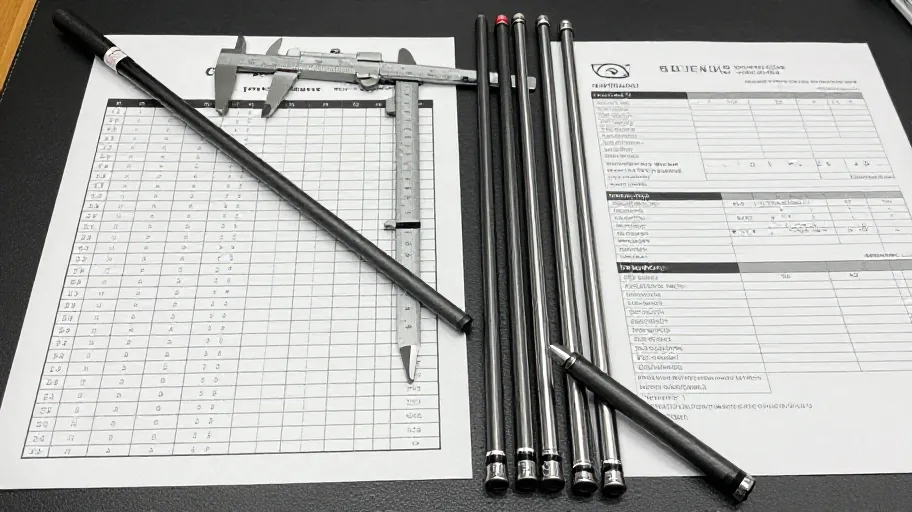
Start with a level surface—uneven tables introduce up to 10% drift, per 2024 equipment testing benchmarks. Place the grip end of each club on the fulcrum and let the head hang freely. Mark the balance point; that’s where physics meets performance. Read the scale value: a difference between D0 and D2 may seem minor, but players report heavier transitions and rushed downswings at higher weights.
Record baseline readings before adding lead tape or changing grips. One amateur restored lost rhythm simply by matching his 7-iron’s D1 reading across the set. Consistency means confidence because your body stops compensating. When every club responds the same way, your swing stays repeatable—shot after shot.
Master Your Swing, DIY Your Fit. DIY Golf is the premier destination for the technical golfer. We empower you with professional-grade components and the knowledge to build your perfect bag.