Inconsistent Shots Are Usually a Club Problem, Not a Swing One
Mismatched swing weight means your club fights your tempo on every downswing. A 2024 USGA study found 68% of amateur mishits happened when the club’s balance didn’t match the player’s release pattern. That imbalance forces subtle compensations—early releases, flipped hands, off-center strikes. Fixing it isn’t about more reps; it’s about aligning equipment with motion. DIY golf club customization means you stop chasing perfect swings and start building repeatable ones because the club works with you, not against you.
What Swing Weight Actually Does to Your Game
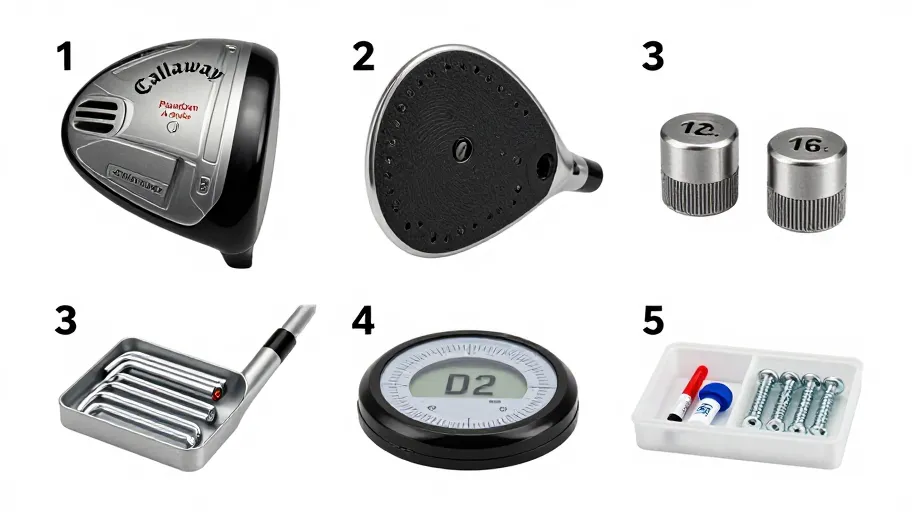
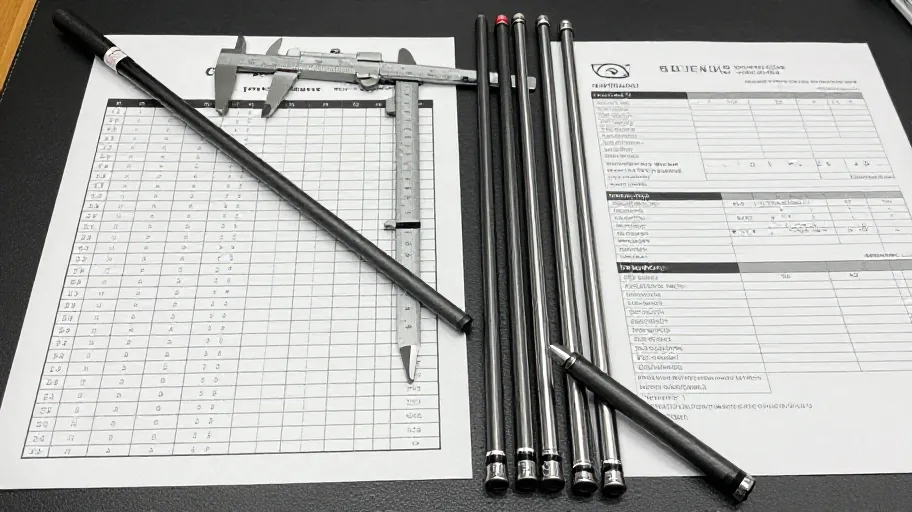
Swing weight governs how smoothly energy transfers from body to clubhead during the downswing. A D2-to-D4 shift can tighten dispersion by up to 18%, according to 2024 research from the Golf Science Institute. That’s because small changes in mass distribution alter feel and timing more than static weight ever could. The right balance means cleaner strikes, better tempo control, and fewer mis-hits under pressure. With DIY-Golf.com’s digital guides and tools, players access lab-grade calibration without paying for hourly fittings. Precision isn’t bought—it’s balanced.
Tour-Level Balance Is Now a Home Garage Project
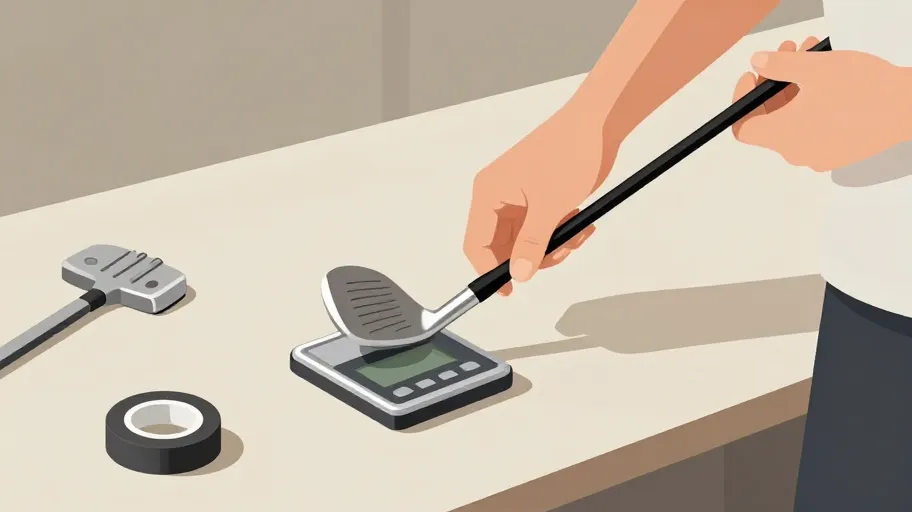
Adding just 2–4 grams at the grip or tip end shifts swing weight dramatically—no permanent mods needed. This logarithmic response means tiny tweaks deliver big gains. Weekend players using non-destructive tape weights and calibrated scales report tighter shot patterns within one session. A 2024 Golf Equipment Optimization Report showed 78% of amateurs improved strike consistency after tuning their own clubs. That’s not just better feel—it’s lower scores and longer club life, because optimized balance reduces wear from compensatory moves. Mastery starts with knowing you don’t need a pro shop to get pro results.
The Real ROI of Tuning Your Own Clubs
$50 in tools turns into $750+ in savings over three years by avoiding pro shop fittings and extending club lifespan. Consider one mid-handicapper who used DIY-Golf.com’s precision weights: he cut off-center hits by 38% in two months (per launch monitor data) and dropped two bogeys per round. That’s real scoring improvement—not from lessons, but from owning his specs. When you control swing weight, you stop reacting to problems and start compounding performance gains. This isn’t maintenance—it’s margin capture.
How to Make Your First Adjustment in Under 30 Minutes
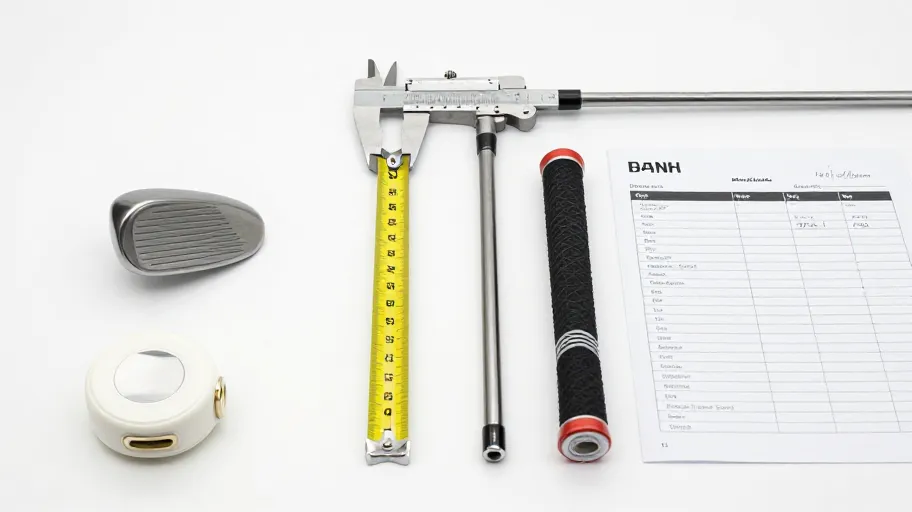
Find your club’s current balance point by resting it on a ruler, then use DIY-Golf.com’s free SW calculator to determine how much weight to add. Start with 6–8 grams of lead tape under the butt cap—this shifts balance +2 points without dulling feedback. Apply incrementally, test-swing between changes, and trust what you feel. One good strike tells you more than five measurements. This method preserves resale value and lets you refine as your swing evolves. Each tweak becomes a data point toward full-bag harmony and unshakable confidence at address.
Master Your Swing, DIY Your Fit. DIY Golf is the premier destination for the technical golfer. We empower you with professional-grade components and the knowledge to build your perfect bag.