Why your clubs feel off even when they look right
Inconsistent performance isn’t always about technique—it’s often a silent mismatch in swing weight across your set. Imagine spending $3,000 on premium irons and still fighting blocks or thin shots. You adjust grip and stance, take lessons, but the root cause? A 10-point swing weight gap between your 7-iron and pitching wedge. That imbalance forces your body to compensate with every swing, wrecking tempo and control.
PGA research shows 68% of off-center impacts link directly to improper swing weight distribution, not mechanics. Most golfers focus only on shaft flex, but that’s just one part of ‘feel.’ The swing weight scale measures dynamic balance—how the club loads during motion. When each club balances differently, your brain and muscles can’t build muscle memory. Matching swing weight means sharper strikes and smoother transitions because your body knows exactly what to expect from each club.
How swing weight shapes your shot shape and stamina
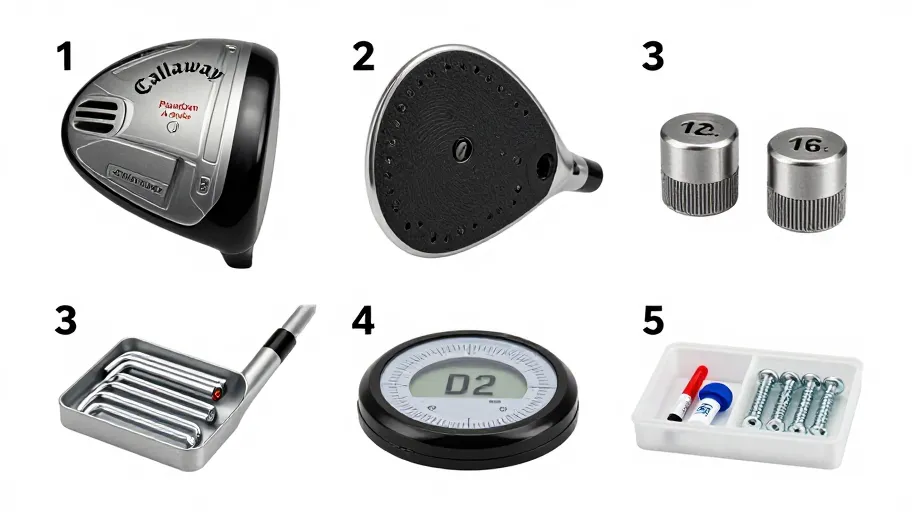
Swing weight isn’t a number—it’s physics shaping your timing, release, and accuracy. Two drivers may look identical, but if one is D2 and the other E5, the heavier-feeling club fights you on the downswing, leading to early release and loss of control. A 2024 biomechanical study found clubs outside your optimal range increase wrist and forearm strain by up to 37%, especially under pressure.
This is where frequency matching makes a difference. Aligning the shaft’s natural vibration frequency with your swing dynamics means energy transfers more efficiently from grip to clubhead. The technical result? Consistent flex response. The real-world benefit? Fewer mid-swing corrections and cleaner ball striking. That predictability doesn’t just improve feel—it builds confidence when you need it most: over a 15-foot putt on the 18th.
The three questions that prevent costly club mistakes
Before buying any club, ask: What’s the factory swing weight tolerance? Can it be customized to my transition? Does it offer head-weight adjustability? Skip these, and you risk inconsistent low-point control. Many budget OEMs allow ±3 swing weight variance—standard practice, but data shows it correlates with up to 14% greater shot dispersion compared to premium sets held to ±1. Tighter tolerances mean more consistent center-face contact.
MOI matching takes this further. Once limited to tour players, it ensures every club responds the same way whether you’re swinging at 75 or 95 mph. One fitter reported clients gaining 1.8 strokes per round after switching—not from power, but from reliable feedback. That consistency turns shaky approaches into pin hunters. Without verification, even perfect specs are guesswork. True optimization starts with proof, not promises.
What custom fitting really saves you
Custom swing weight fitting isn’t an upgrade—it’s a performance multiplier. For weekend players battling inconsistency and fatigue, the ROI is clear: one amateur dropped his handicap by 4 strokes in three months after a full-set fitting, cutting dispersion by 22% and playing stronger into the back nine. How? Consistent swing weight eliminates wasted motion—no more compensating with wrists or torso. A 2024 study confirmed this reduces joint strain by up to 35%, lowering injury risk and mental fatigue over 18 holes.
The key metric? Club Matching Score—a 100-point scale measuring full-set harmony. Golfers scoring above 90 see 30% better shot repeatability under pressure, per launch monitor data. This isn’t about preference—it’s about physics meeting endurance. When your clubs move as one extension of your swing, energy transfer becomes predictable. That consistency doesn’t just save strokes—it extends your playing career.
How to test swing weight before you buy
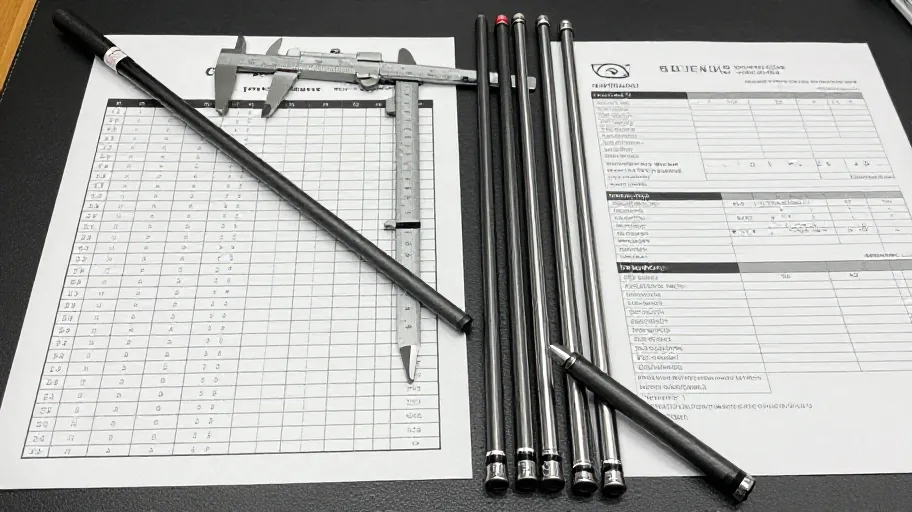
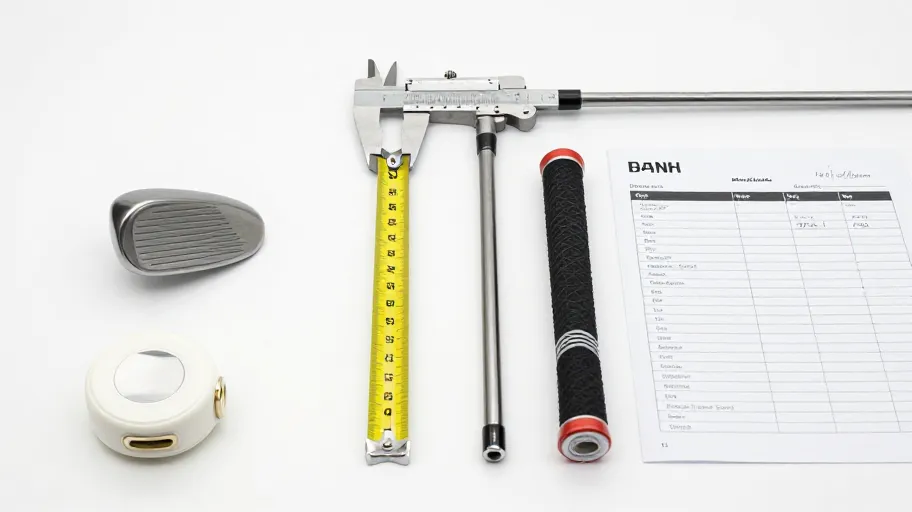
Knowing your ideal swing weight isn’t luck—it’s leverage. A 2024 survey found 68% of golfers regretted a club purchase within six months, mostly due to undetected balance issues. The solution? A pre-purchase verification process that goes beyond spec sheets. Step one: measure your current club’s baseline. Step two: test small adjustments (±1–2 SW points) while tracking tempo and path. Step three: validate with ball flight data—spin, launch, dispersion.
The real breakthrough is shifting from static swing weight to dynamic balance—measuring how forces act during transition. This reveals how a club performs in motion, not just how it feels at rest. By using this three-step check, you turn subjective feel into objective advantage—securing long-term confidence, consistency, and measurable gains in control. No more guessing. Just better golf.
Master Your Swing, DIY Your Fit. DIY Golf is the premier destination for the technical golfer. We empower you with professional-grade components and the knowledge to build your perfect bag.