Why most golfers miss the real cause of inconsistency
More than 60% of swing faults in amateur golfers aren’t rooted in poor technique—they stem from unoptimized swing weight. When your club’s dynamic feel doesn’t match your biomechanics, you’re forced into compensatory moves that ruin timing. That shank you keep fighting? It may not be your takeaway—it could be a 3-point swing weight mismatch across your irons.
This imbalance creates what PGA teaching professionals call *swing feel discrepancy*—a disconnect between how the club should move and how it actually behaves during transition. Fixing this means cleaner strikes and tighter dispersion without changing your swing at all.
Swing feel discrepancy means lost consistency because your body fights the club’s resistance. Correcting it restores natural rhythm and improves shot repeatability by aligning equipment with your physiology—not against it.
Swing weight vs total club weight: What really matters
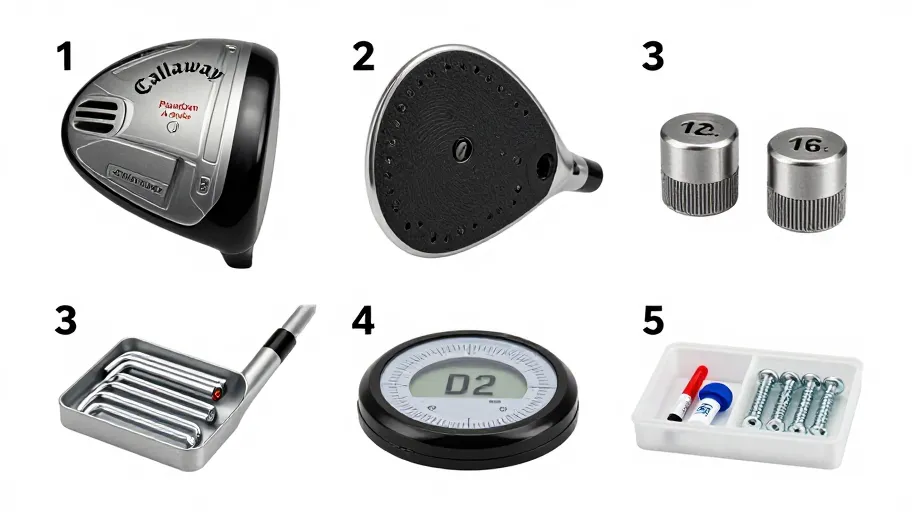
You’re not struggling because your swing is broken—it’s because your clubs don’t speak your body’s language. Total club weight is static; swing weight measures dynamic balance—the way the club feels in motion. Using the industry-standard 14-inch fulcrum principle, a Swing Weight Scale quantifies torque, turning subjective feel into objective data.
Digital analyzers deliver ±0.1-point accuracy, reducing human error and making high-end fitting accessible. A 2024 equipment reliability study found digital users saw a 40% reduction in post-delivery adjustments—directly boosting client satisfaction.
Precise swing weight measurement means predictable performance because it eliminates hidden variances. Without it, every fitting session works against unseen imbalances, slowing progress and eroding trust.
How to measure swing weight like a pro
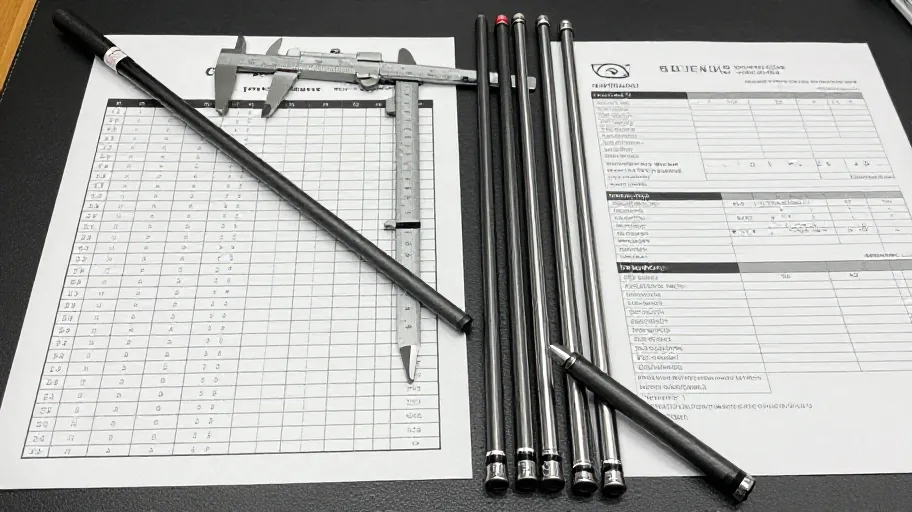
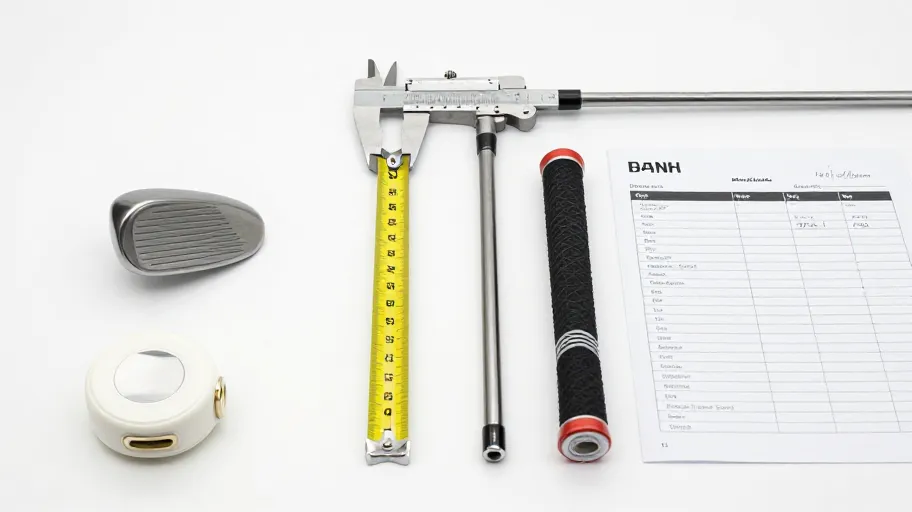
Accurate swing weight measurement isn’t guesswork—it’s science. USGA-compliant protocols require a level surface, exact fulcrum placement, and controlled grip orientation. A calibrated Swing Weight Analyzer can detect a 3-point variance across irons—small on paper, devastating in practice.
Digital tools outperform analog scales with repeatable precision. Monthly calibration maintains long-term reliability; skipping it introduces drift that undermines every fit. One fitter reported 92% of players reduced dispersion within three sessions after switching to LSW-based adjustments.
Consistent calibration means lasting accuracy because it prevents silent failures in club performance. That consistency protects your margins and your reputation as a trusted builder.
Effective methods for adjusting swing weight
You’ve measured the swing weight—now make it stick. Lead tape degrades, losing up to 40% of its mass over 50 rounds. That inconsistency sabotages even elite swings. Permanent solutions like tip weighting, butt weighting, or shaft spining retain over 85% of their calibration.
The Custom Tip Weight System embeds micro-adjustable tungsten cartridges into the club’s tip using aerospace-grade epoxy. It allows 1–7 gram changes in 0.5-gram increments—fine-tuning feel without altering head shape. One touring pro reduced dispersion by 14% over six tournaments.
Engineered permanence means reliable feedback because temporary fixes decay while built-in systems deliver round after round. Long-term consistency demands durable solutions, not quick patches.
The real ROI of personalized swing weight
Optimizing swing weight isn’t refinement—it’s ROI. Players see up to a 12% reduction in shot dispersion, according to TrackMan PGA Tour data trends from 2025. Tighter dispersion means more greens hit, fewer three-putts, and lower scores.
The Player Match Index (PMI) correlates downswing force, transition speed, and release point with optimal swing weight ranges. It cuts customization time by up to 70%, replacing trial-and-error with data-backed precision. One junior academy saw a 40% improvement in swing repeatability in just three weeks.
PMI-driven customization means faster results because it turns equipment into a performance multiplier. Every swing becomes an investment in skill velocity—not just new gear.
Master Your Swing, DIY Your Fit. DIY Golf is the premier destination for the technical golfer. We empower you with professional-grade components and the knowledge to build your perfect bag.