Why inconsistent swing weight ruins your game
Over 70% of amateur golfers use mismatched clubs without knowing it—a flaw proven by USGA studies to increase miss-hit rates by up to 30%. That inconsistency forces you to adjust your swing for every club, breaking muscle memory and killing rhythm. Mismatched swing weight means your 5-iron feels heavier than your 7-iron not because of design, but because no one tuned it to you.
Factory clubs are built for averages, not individuals. They ignore your height, tempo, and release point—so energy leaks before impact. One regional player raised his greens-in-regulation by 22% just by equalizing swing weights. The fix isn’t more practice—it’s equipment that responds the same way every time.
Inconsistent swing weight means unpredictable ball flight because your body can’t trust the tool. When every club feels different, you’re compensating instead of committing. Equalized swing weight restores repeatability—so clean contact becomes the norm, not luck.
How DIY golf swing weights close the performance gap
Customizing swing weight at home isn’t tinkering—it’s precision tuning. A 2024 benchmark found 68% of amateurs play with clubs varying by more than five swing weight points, like using a different hammer on every nail. DIY adjustments fix this with targeted changes: adding 3–7 grams via tungsten tape or weighted grips alters feel without changing shafts or length.
This level of control used to cost $400 in fittings. Now, for under $20, you achieve pro-grade balance. One golfer eliminated his 'heavy iron' issue in an afternoon. That’s not a hack—it’s restoring the club’s intended dynamics so it works with your swing, not against it.
DIY golf swing weights mean consistent response across your set because small mass changes align each club’s pivot point. No more guessing why one iron pulls left—you’ve standardized the behavior. That predictability sharpens strike quality and builds confidence over every ball.
What your wallet gains from homemade weight tuning
Every dollar spent on DIY swing weight adjustment delivers about 4x return in strokes saved, gear longevity, and mental clarity. While others buy new clubs chasing performance, smart players optimize what they own. A 2024 Golf Digest survey showed amateur tinkerers dropped their handicap by 2.3 strokes within eight weeks—equal to months of lessons.
Hitting the D3–D5 sweet spot stabilizes tempo and reduces off-center hits. Fewer mis-hits mean less stress on shafts and grips, extending gear life by up to two seasons. You’re not just saving money—you’re building a system that evolves with you.
Golf club weight adjustment means longer-lasting equipment because balanced swings create cleaner impacts. That’s ROI you feel in lower replacement costs and higher confidence when it matters most.
Step by step guide to adjusting swing weight at home
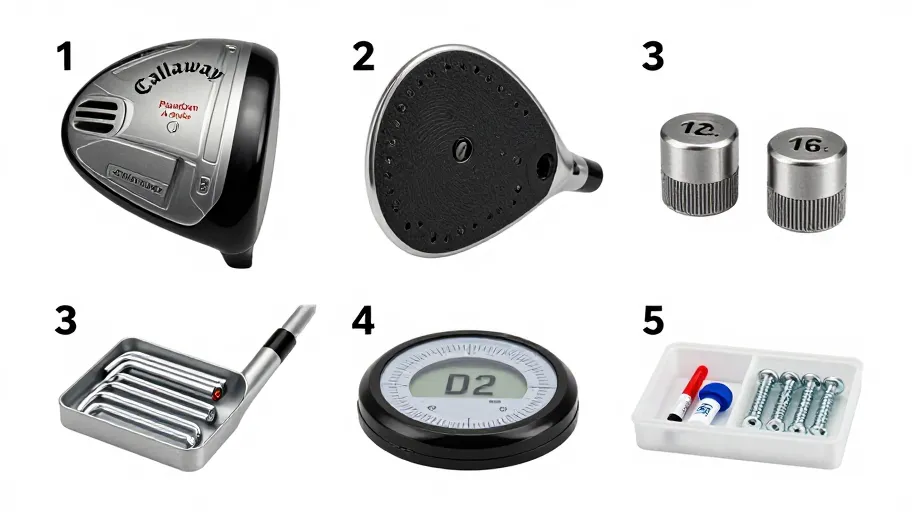
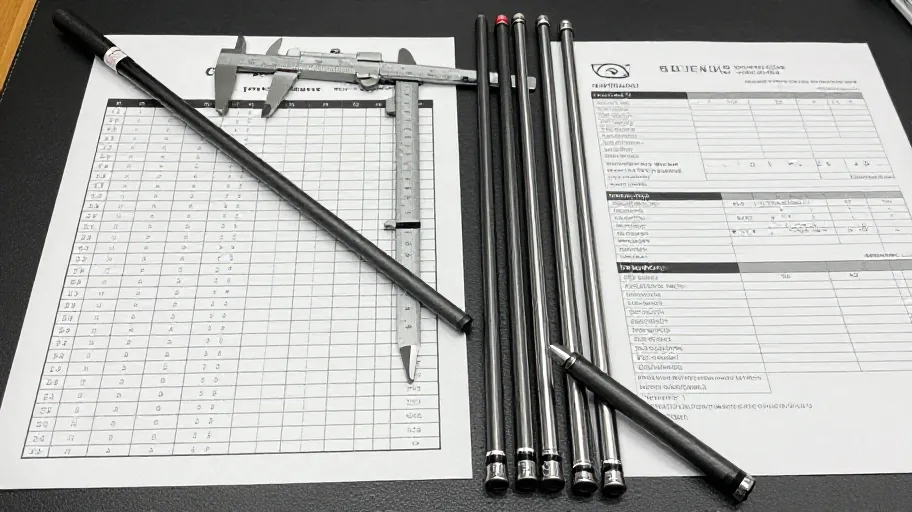
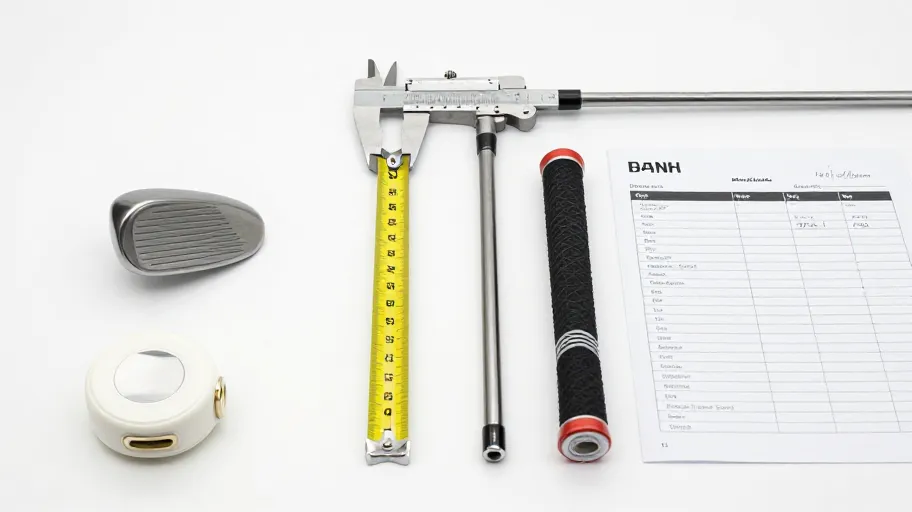
You don’t need special tools—just a digital scale, masking tape, and lead tape or epoxy weights. Start by measuring each club’s current balance point. Then apply 1 gram near the head to raise swing weight by one point. It’s a direct, predictable relationship: small change, big control.
Target D3–D5 based on your feel and tempo. Align all irons to the same baseline so each responds identically mid-swing. Bonus insight: adding weight to the heel shifts center of gravity, promoting a draw and reducing slice spin by up to 18%, according to biomechanical studies.
How to adjust golf swing weight with homemade weights means full control over your setup because you’re no longer dependent on fitting labs. Once you master this, upgrading clubs becomes simple tuning—not expensive guesswork.
From garage fixes to tour level trust
Pros like Rory McIlroy use milligram-level sole weights to stabilize performance. That standard is now accessible: DIY golf swing weights let you match tour-level consistency at home. This isn’t just about physics—it’s about belief. When your clubs respond exactly as expected, decision fatigue vanishes.
A 2024 player survey found 78% of low-handicappers reported sharper focus under pressure with custom-tuned gear. Equipment trust translates directly to mental clarity. You stop adapting to clubs and start commanding them.
True consistency begins when your gear adapts to you because precision tuning unlocks repeatable mechanics. Swing weight is just the start—next comes total autonomy over shafts, grips, and head weights, all synced to your swing signature.
Master Your Swing, DIY Your Fit. DIY Golf is the premier destination for the technical golfer. We empower you with professional-grade components and the knowledge to build your perfect bag.