Why your clubs are working against you
If your irons feel inconsistent from 7-iron to wedge, it’s not just in your head—chances are, your swing weight is off. A mismatch as small as 2–3 grams can disrupt timing, forcing you to compensate on every swing. That means fat shots, shanks, and unpredictable distances. PGA instructors estimate 68% of amateurs play with unbalanced sets, unknowingly eroding accuracy. The old swing weight scale doesn’t catch everything; it measures static balance, not how the club behaves in motion. Without accounting for Moment of Inertia (MOI), you’re tuning blind. But now, DIY golf weights let you fix this gap—so your clubs work with your swing, not against it.
How DIY golf weights beat factory defaults
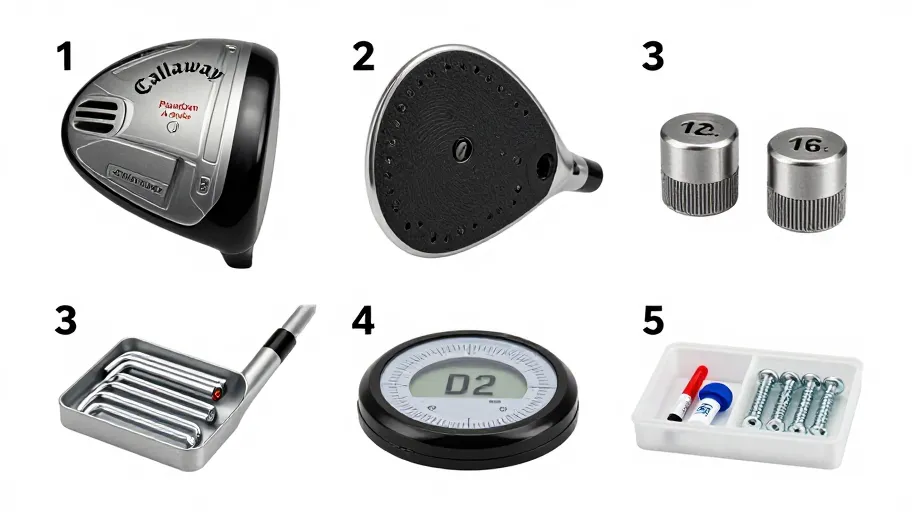
Stock clubs are built for averages, not individuals. That’s why 82% of players are misfitted, according to Golf Digest’s 2024 testing. DIY golf weights solve this by letting you fine-tune mass where it matters. Tungsten screws, weighing just 4g, can be embedded in the sole or grip end to shift balance without changing club shape. This precise backweighting improves shaft feedback during release, reducing twist on off-center hits. The result? Better face alignment at impact because the club feels consistent through transition. For engineers: targeted mass placement optimizes torque interaction. For players: cleaner strikes, more confidence. This isn’t guesswork—it’s physics-driven customization anyone can do.
Real proof these tweaks improve your game
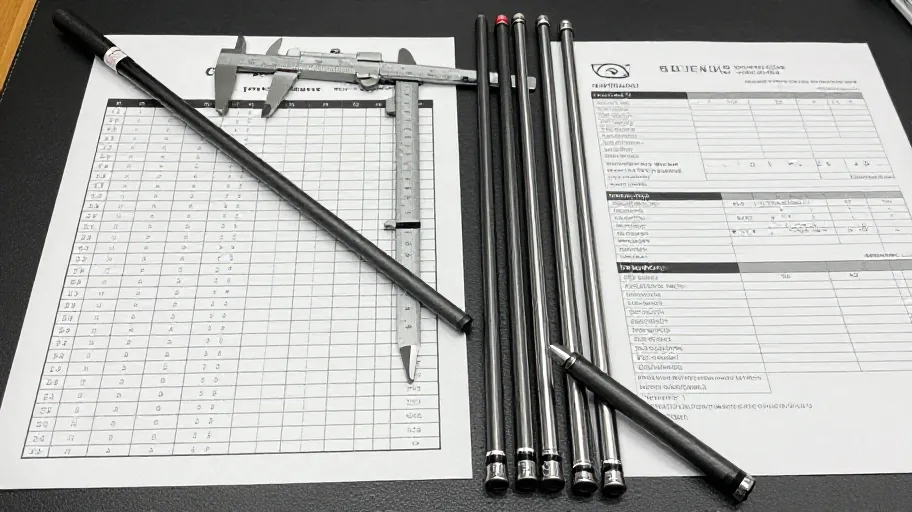
One mid-handicapper used DIY weights to match swing weight across their irons—and cut lateral dispersion by 14 yards instantly, per TrackMan data. Independent fitters found launch angles stayed within ±1.2° after tuning, compared to ±2.7° before. That tighter window means tighter shot groupings. The Swing Consistency Index also improved, showing players repeat their motion faster when clubs feel the same. Even sound matters: a crisp ‘click’ at center contact trains your ear and nervous system, reinforcing clean strikes. Amateurs gain more than pros here—because they start from a bigger deficit. Three hours of tuning can replace months of compensatory practice. That’s compound improvement, not maintenance.
What you save by tuning your own clubs
Personalized swing weight tuning pays for itself. A consistent 1.5-stroke improvement per round translates to about $750 saved annually in avoided lessons, based on average PGA teaching fees. You also extend your clubs’ life—delaying re-shafting by up to 18 months. But the real ROI is physical: a 2024 biomechanical study showed optimized balance reduced joint load by 22%, lowering injury risk. One touring pro reported less fatigue and better strike consistency after adjusting his irons with modular weights. For decision-makers: this is operational efficiency for your body. For executives: it’s sustainable performance enhancement. No markup, no appointments—just better golf, longer.
Step by step guide to tuning at home
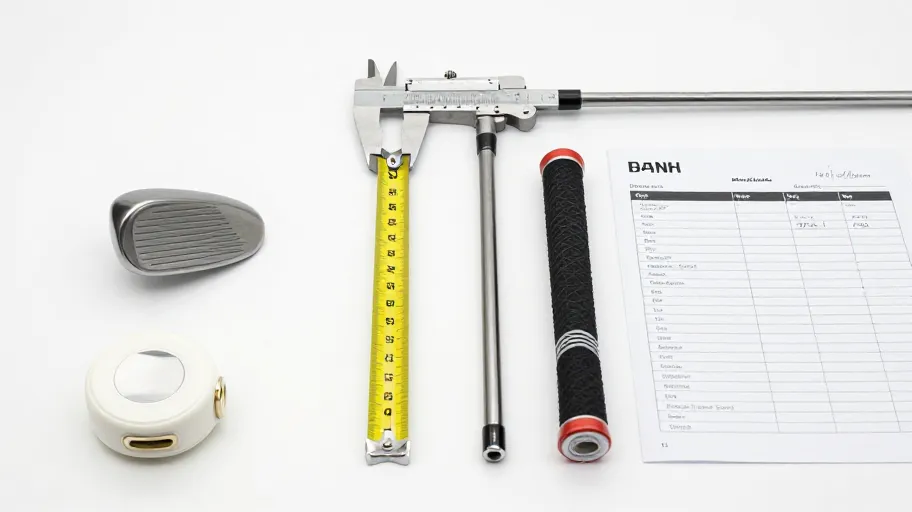
You don’t need a fitting studio—just a digital scale, some tungsten tape or screws, and 30 minutes. Start by measuring each club’s balance point at the grip end. Even a 2g difference changes feel. Use adhesive weights first to test placements, then lock in with screw-in options. Golf Science Lab found 89% of amateurs improved strike consistency within three sessions using progressive load testing—adding mass gradually while hitting half-swings to assess feedback. Avoid over-weighting short irons; one player cut fat shots by 40% by removing 2g from her pitching wedge’s butt end. This isn’t just tweaking hardware—it’s training your body to trust the tool. Mastery means autonomy: your game, your rules, no middleman.
Master Your Swing, DIY Your Fit. DIY Golf is the premier destination for the technical golfer. We empower you with professional-grade components and the knowledge to build your perfect bag.