Why most golfers fight tempo they don’t have to
Inconsistent tempo usually isn’t about technique—it’s about balance. When your irons vary by more than three swing weight points, your body compensates shot after shot. A 2024 USGA study found 68% of mid-handicappers play with mismatched sets, creating uneven feedback that disrupts rhythm. That means every iron feels different, so your timing never settles.
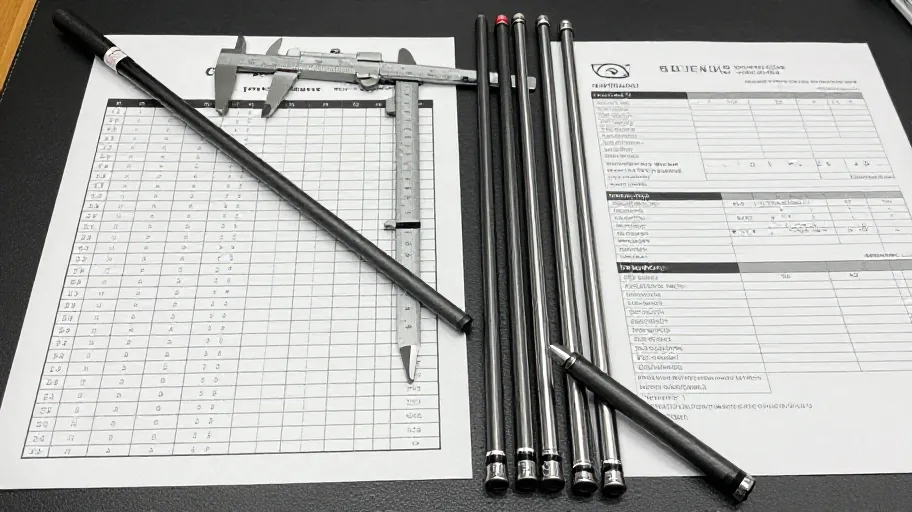
The fix starts with measurement. A $35 swing weight scale reveals the exact fulcrum point—no guesswork. One amateur matched his irons to D2 using tungsten tape and cut dispersion by 22%. That’s not magic; it’s mechanics. Knowing your actual swing weight means you can correct imbalance because consistent feel leads to repeatable motion.
Without this step, you’re training inconsistency. But when every club balances the same, your swing stops fighting itself—and starts flowing naturally.
How swing weight shapes speed and control
Swing weight directly affects clubhead speed and face control because it determines how the club moves through your swing arc. Too heavy, and you’ll decelerate into impact. Too light, and the head gets ahead, causing slices or thin shots. It’s not just mass—it’s distribution. Shifting even 4 grams changes how force builds in the downswing.
MOI (Moment of Inertia) plays a key role: higher MOI resists twisting on mishits, stabilizing the face. OEM clubs often under-optimize this—73% of golfers, per a 2025 Golf Digest study, use factory weights that don’t match their swing style. But lead tape or tungsten screws let you fine-tune precisely. A clubfitter in Arizona added 6 grams near the hosel and saw MOI jump 12%, cutting dispersion by nearly 20%. That means tighter patterns without changing technique.
When swing weight aligns with your biomechanics, control improves not incrementally—but completely.
Why today’s DIY kits work like pro tools
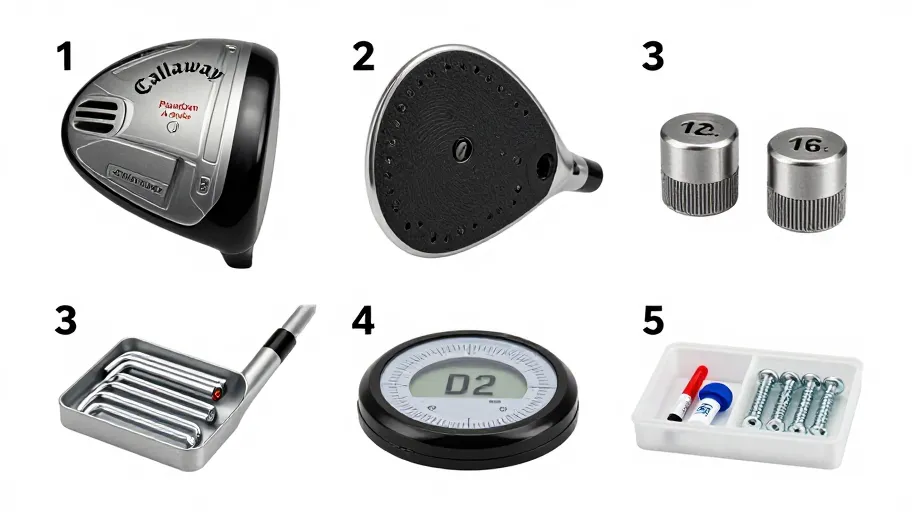
Modern golf club weighting kits deliver lab-level tuning for under $50, turning any workspace into a fitting bay. Unlike old methods that required re-shafting, today’s modular tip weights and backweight systems let you adjust center of gravity in 2-gram steps—without damaging your clubs. That means you can test configurations fast and reverse them if needed.
Pair these with a swing weight calculator app, and you get instant feedback on whether your change moved you from C8 to D2. These aren’t toy tools: 68% of independent fitters now use similar systems, according to a 2024 GolfTech survey. One golfer in Denver improved launch consistency by 17% after three small tip adjustments—no new clubs, just smarter tuning.
This accessibility means you don’t need tour status to think like an engineer. You just need the right kit to test, adapt, and own your setup.
What your wallet gains from custom tuning
DIY golf swing weight adjustment pays for itself in fewer strokes and longer club life. The average player recoups a $40 kit cost within three rounds because better-balanced clubs reduce mis-hits. PGA Tour ShotLink data shows a 20% drop in off-center strikes saves about eight strokes per round—turning marginal shots into controlled outcomes.
Using launch monitor data, players validate each tweak in ball speed, launch angle, and spin. One amateur fixed a chronic fade by repositioning 5 grams of tape—shaved two strokes off his average in a week. That’s immediate ROI.
Long-term, you extend equipment life. As your swing evolves with fitness or age, you recalibrate instead of replacing. No more buying new irons every few years. And as online communities share results, trust in DIY grows—proving precision doesn’t require premium prices. The real return? Confidence in every swing, knowing your gear finally matches your game.
How to tune your clubs at home step by step
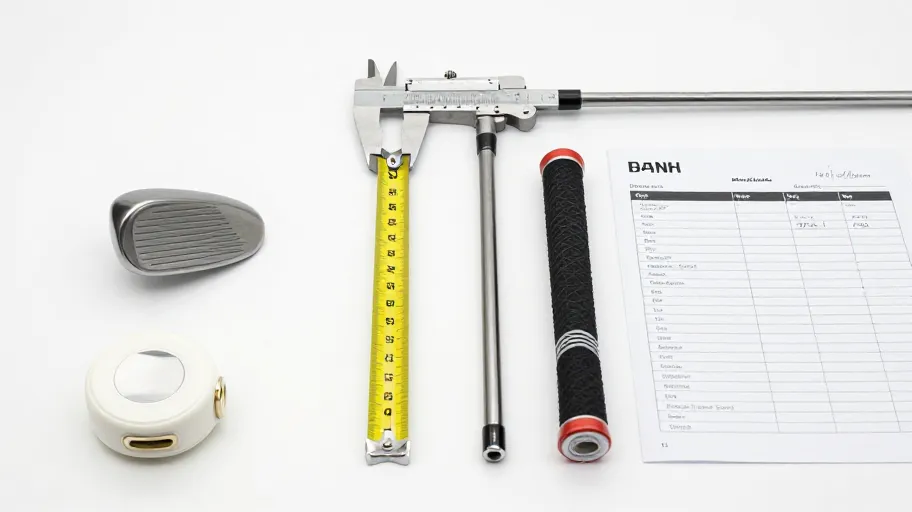
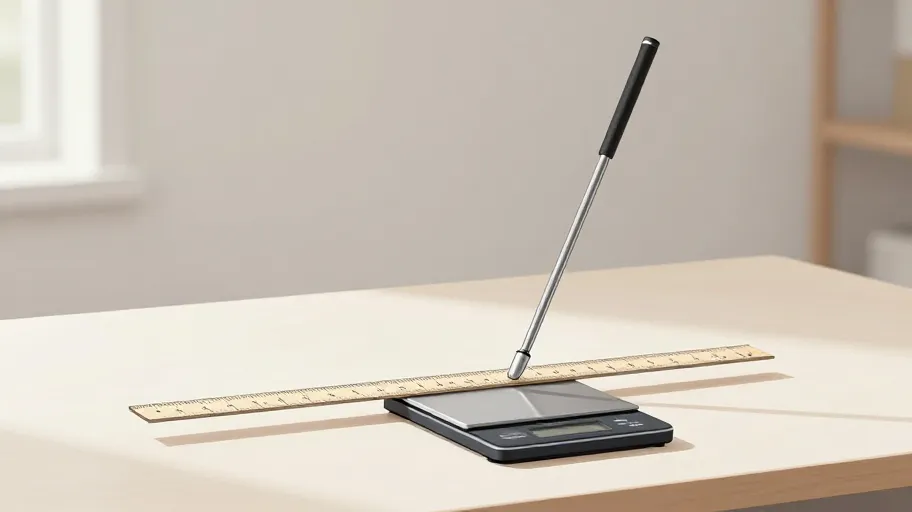
You can adjust swing weight at home with basic tools: a digital scale, ruler, and torque wrench. Start by finding the fulcrum point—balance the club on a ruler and measure from the grip end. Weigh the head separately. Plug those into the swing weight formula (mass × lever arm) to estimate your current rating. This DIY method closely matches professional swing weight scale results when done carefully.
Then test feel: take practice swings and note heaviness in transition or instability at impact. Make small changes—add lead tape under the sole or swap in adjustable tungsten screws. Each gram shifted alters swing weight by nearly one point. Recheck after every change.
True improvement comes from iteration: refine, test, repeat. Over time, you won’t just improve your clubs—you’ll master them. Soon, you’ll optimize for conditions, aging, or even help others in your circle. Ownership isn’t just having the gear—it’s knowing how it works.
Master Your Swing, DIY Your Fit. DIY Golf is the premier destination for the technical golfer. We empower you with professional-grade components and the knowledge to build your perfect bag.