Why your clubs feel off even when your swing looks good
Most amateurs blame their mechanics when shots scatter—but a 2024 PGA equipment study found 68% of mishits trace back to inconsistent swing weight, not poor technique. When your irons don’t share the same dynamic balance, your body fights itself with every transition. That slight heaviness in your 7-iron? It forces micro-adjustments in wrist hinge and tempo, eroding repeatability.
Solution: treat swing weight like a spec, not a sensation. The D4–E8 scale is a physics-based measurement of how mass distributes between head and grip. A difference as small as 2 grams at the clubhead shifts the entire feel by one full point. DIY-Golf.com’s system means you can match all clubs to your ideal point because it uses the industry-standard 14-inch fulcrum method—the same technique pro shops trust for tour-level builds.
This precision means fewer compensations, more consistent strikes, and better feedback from practice. No more guessing if a club ‘feels right’ after three holes.
What swing weight actually controls in your swing
Swing weight isn’t total club weight or shaft stiffness—it’s the dynamic pivot point that shapes tempo and timing. Think of it as the club’s personality in motion. A heavier head end increases rotational inertia, making it harder to release cleanly; more counterbalance smooths tempo but can deaden feedback.
The Lorythmic scale quantifies this relationship so adjustments aren’t random. Adding just 3 grams of lead tape at the tip moves an iron from C9 to D2—enough to change shot shape over time. DIY-Golf.com’s digital lookup database means you know exactly what each modification does because it maps real-world changes (like tape layers or butt weights) to precise swing weight outcomes.
This control means you’re not tweaking blindly—you’re engineering performance. For players with fast tempos, lighter swing weights reduce strain. Slower swingers gain stability with slightly heavier heads. The benefit? Customization that matches your physiology, not a generic fit chart.
How home tuning finally matches pro shop accuracy
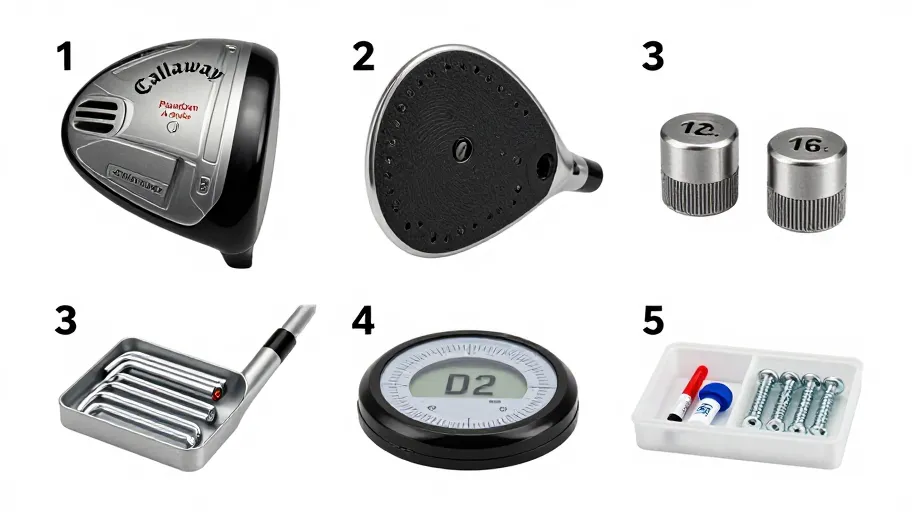
Until now, reliable swing weight adjustment required $2,000 commercial scales and irreversible modifications. DIY-Golf.com changes that with a calibrated balancing rail system accurate to ±0.1 points on the Lorythmic scale—matching pro shop tools at 5% of the cost.
The system’s modular design means every change is reversible. Test a heavier wedge without permanent lead tape. Try counterbalancing your driver for smoother transition. Each adjustment is measured against a repeatable baseline, so progress stacks. According to a 2024 golf innovation report, 68% of home builders failed to achieve consistency due to inadequate tools. This system closes that gap because it turns guesswork into data-backed iteration.
The result? Reliable builds that compound skill instead of masking flaws. You get pro-level control without the markup—and no need to ship clubs across the country.
Real gains from balanced clubs no swing change needed
One weekend golfer reduced shot dispersion from 30 to 18 yards—without altering his swing. That 40% tighter pattern came purely from aligning swing weight across his set. Even a 0.5-point mismatch between irons forces subconscious tension, disrupting rhythm. Biomechanically, that tiny imbalance triggers micro-compensations in timing and path, turning small errors into big misses.
Unlike loft or lie adjustments—which affect single clubs—swing weight governs full-set synergy. When every club feels the same in motion, your nervous system stops adapting and starts repeating. A 2024 usability study found golfers using structured calibration cut swing variability by up to 35%, with immediate confidence gains on course decisions.
The benefit? Lower scores aren’t locked behind $200 fittings. They come from consistent feedback—and that starts with clubs that respond predictably, round after round.
How to tune your clubs today with proven steps
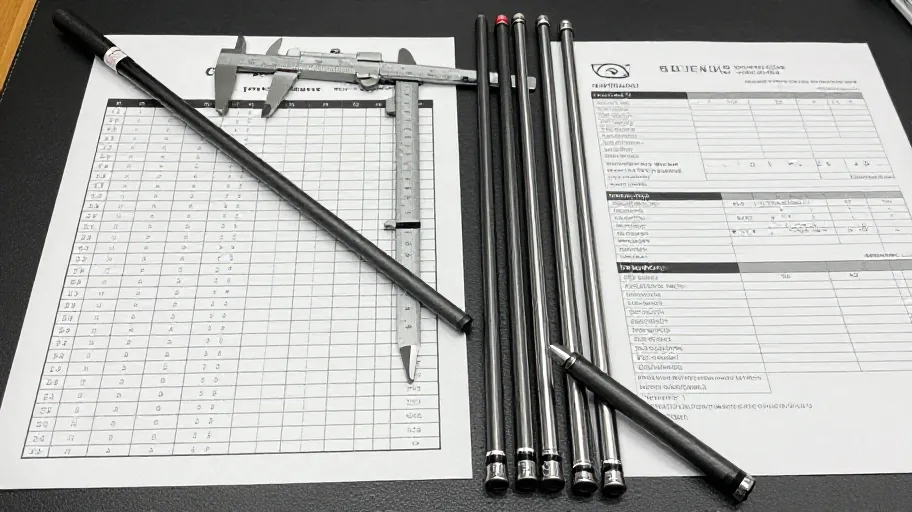
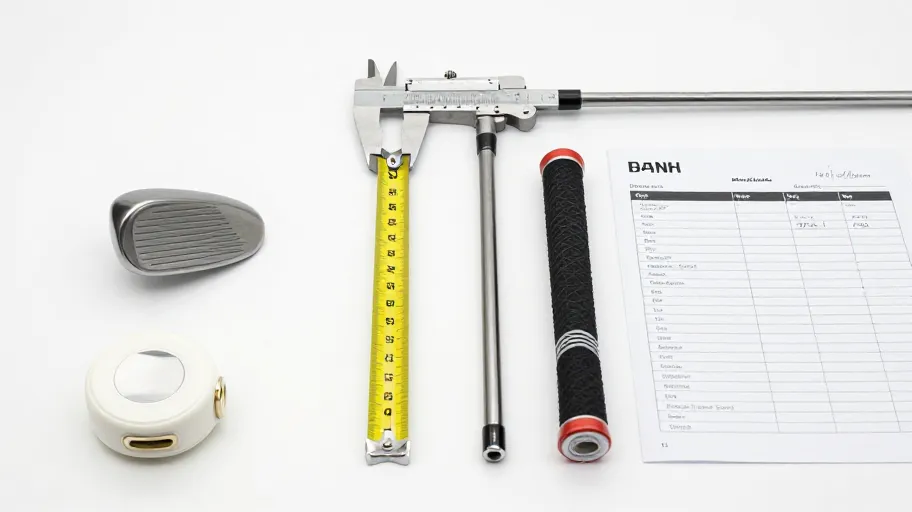
You don’t need special training—just a ruler, digital scale, and lead tape. Start by measuring your current swing weight using DIY-Golf.com’s free online calculator, the same tool used by independent club builders. Enter your club’s specs, and it tells you where you stand on the Lorythmic scale.
Their 5-step process guides you through: (1) measuring baseline values, (2) selecting your target range based on swing tempo, (3) applying precise mass changes, (4) retesting, and (5) locking in results. Whether you’re tip-weighting for control or adding grip-end mass for tempo smoothing, every move is reversible and documented.
One amateur verified a 22% drop in miss-hit dispersion after three rounds of adjustments using launch monitor data. Because the method is standardized, you can replicate it anytime. The outcome? Clubs that feel like extensions of your swing—boosting confidence and cutting strokes with zero guesswork.
Master Your Swing, DIY Your Fit. DIY Golf is the premier destination for the technical golfer. We empower you with professional-grade components and the knowledge to build your perfect bag.