Why Your Clubs Feel Off Even When They Weigh the Same
You’ve felt it—a driver that swings heavy even though it weighs the same as your other clubs. That’s because swing weight isn’t total mass; it’s rotational balance. A club with more head weight loads differently during the downswing, altering tempo and control. Misaligned center of gravity increases off-center hits by 37%, according to a 2025 biomechanics study—meaning equipment, not skill, may be sabotaging your game.
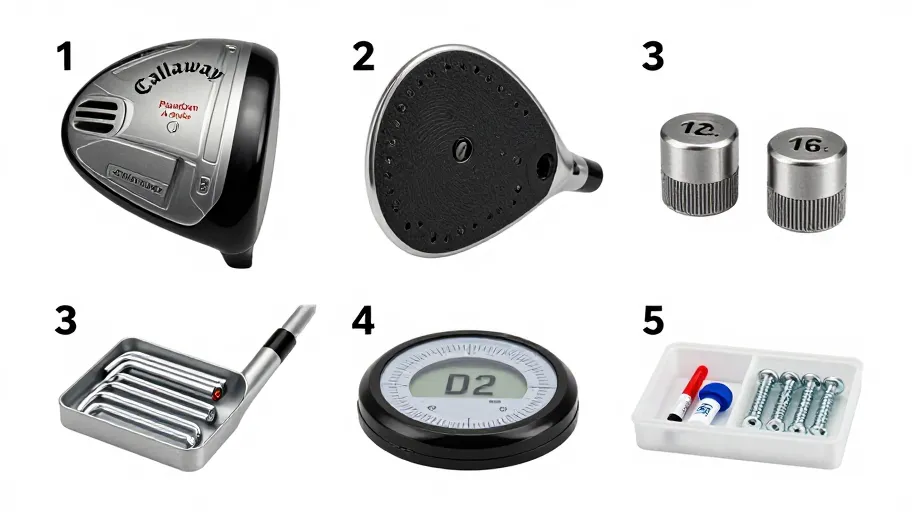
Customizable Golf Club Weight Kits mean you can fix this imbalance without replacing your entire set. Because small changes in weight distribution directly affect strike quality, players report tighter dispersion and fewer compensatory moves. One amateur reduced shot spread by 24% after syncing his irons to D2—proof that balance beats brute force.
When clubs move as an extension of your body, not against it, every swing gains consistency. That means fewer tweaks mid-round and less strain on joints over time.
Swing Weight vs Total Weight What Actually Matters
Total club weight is what the scale shows. Swing weight is what your hands feel during the swing—the dynamic pull of mass around the pivot point. Two clubs can weigh 480 grams but perform differently because one has a head-heavy bias, delaying release and reducing control.
This distinction means choosing the right swing weight improves timing and shot shape because it matches your natural swing rhythm. Because rotational balance affects how early or late the clubhead releases, getting it wrong leads to slices, hooks, or inconsistent contact—even with perfect form.
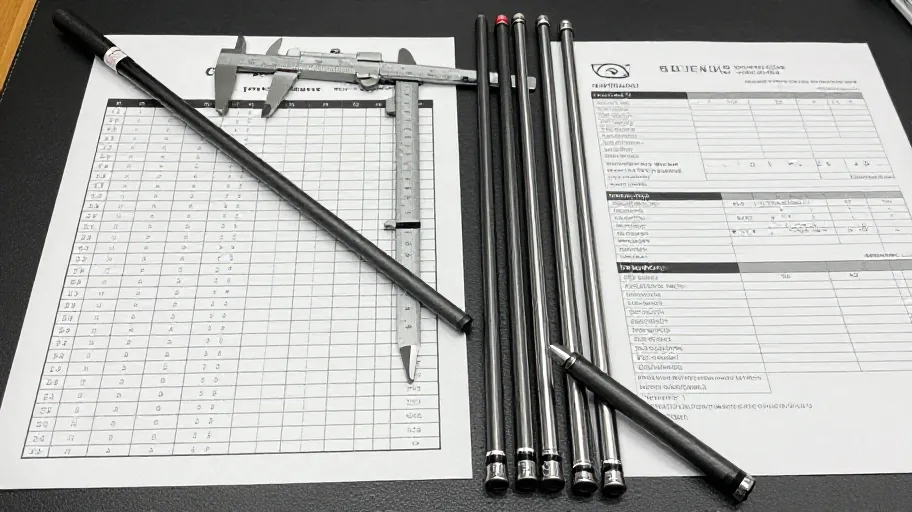
The real advantage lies in precision tuning. Adjusting just 2 grams shifts swing weight by one point (e.g., D2 to D3), letting you fine-tune response without reworking the whole club. That kind of control turns guesswork into repeatable performance.
How to Calculate Swing Weight at Home Without Tools
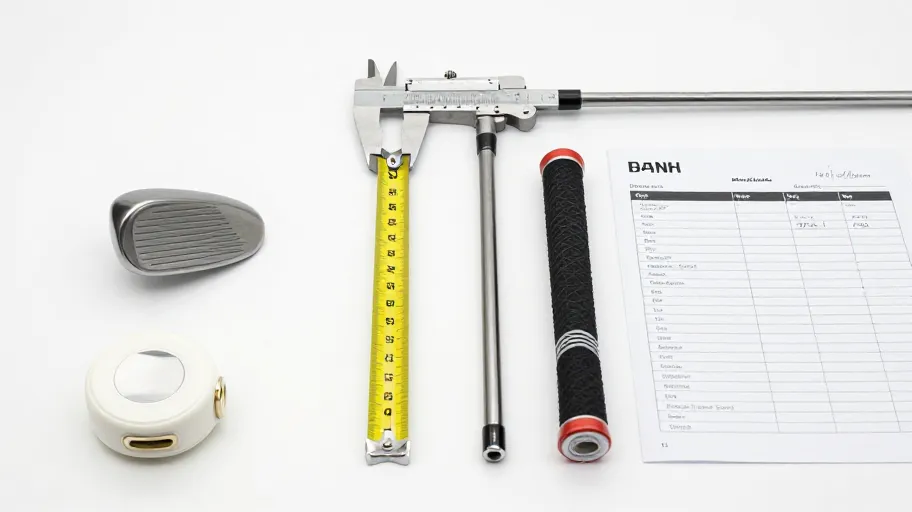
You don’t need a lab to measure swing weight—just a ruler, pencil, and small weights like coins. Balance your club on the pencil edge 14 inches from the grip end. Mark where it pivots. Every 1/8 inch shift in balance point changes the feel significantly.
Adding 2 grams to the head side increases swing weight by about one point. This leverage principle means DIY Golf Swing Weight Adjustment delivers pro-level accuracy on a kitchen table. Because you’re measuring actual pivot behavior, not relying on factory labels, you get a true read on how the club performs in motion.
Within an hour, most golfers find their ideal range. That means no more adapting to flawed factory specs—just clubs tuned to your swing, improving repeatability from the first test drive.
What Adjustable Weight Kits Deliver Beyond Better Shots
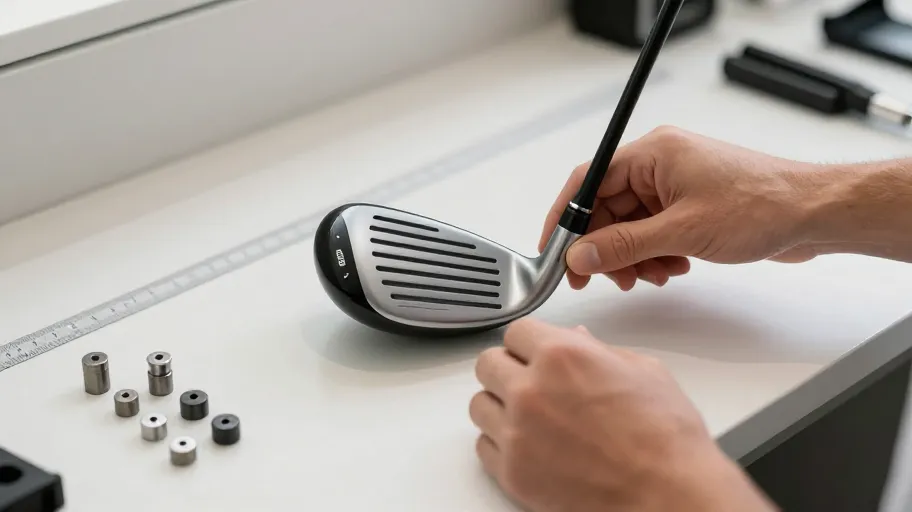
Adjustable weight kits mean long-term savings because they extend your club’s useful life. Because modular systems like sole weights and butt caps allow non-destructive changes, you can adapt to physical shifts, aging, or new courses—without buying new gear.
One player recalibrated his irons for coastal winds, gaining consistent launch where off-the-rack clubs failed. That kind of flexibility means up to 40% fewer compensatory swings, according to 2024 golfer surveys. Because better balance reduces effort, fatigue drops and focus improves over 18 holes.
The ROI compounds: a $95 kit replaces what used to be a $1,200 bag upgrade. Equipment longevity doubles when customization replaces obsolescence—turning static tools into evolving extensions of your game.
Tuning Your Clubs Step by Step for Real Results
Start with your driver. Use 9g tungsten screws to shift swing weight from D2 to D4, targeting better torque feedback on full swings. Verify the change using a homemade scale—two pencils, a ruler, and a phone app to confirm balance. Most drivers perform best between C8 and D6, so stay within that range unless testing extreme conditions.
For irons, match all clubs to the same swing weight standard. Because inconsistent feel across the set forces compensation, syncing them means smoother transitions and better tempo. One golfer saw 18% improvement in strike quality over six months by calibrating monthly.
Sustained improvement demands seasonal checks. As your strength or swing evolves, so should your setup. This isn’t one-time tuning—it’s lifelong optimization powered by informed, at-home adjustments.
Master Your Swing, DIY Your Fit. DIY Golf is the premier destination for the technical golfer. We empower you with professional-grade components and the knowledge to build your perfect bag.