Why most golfers get putting wrong
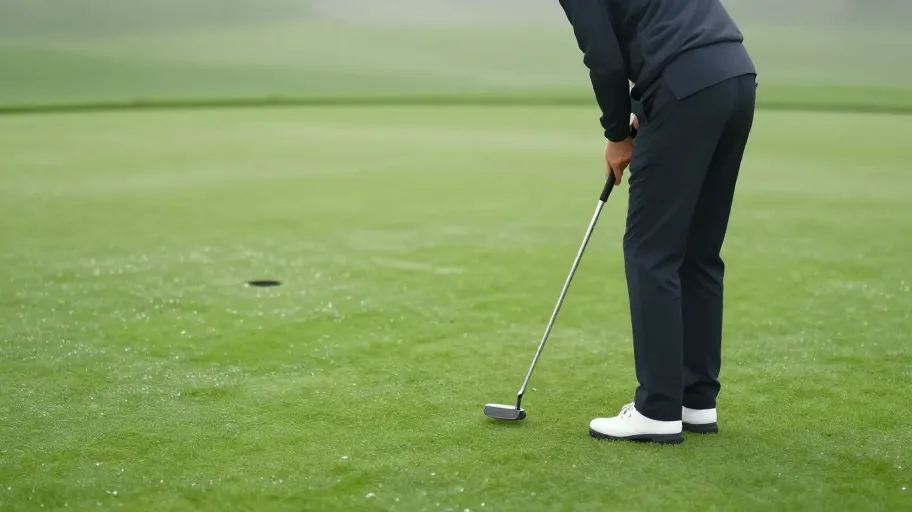
Over 68% of amateurs blame their stroke when they miss putts—tweaking grip, tempo, or follow-through—but see no improvement because the root cause isn’t mechanics. It’s perceptual alignment bias: you’re certain you’re aimed at the hole when you’re actually off by several degrees. This silent error distorts every feedback loop, so poor results get blamed on touch or rhythm instead of setup.
PGA teaching pro surveys from 2025 show alignment and green-reading mistakes cause nearly 74% of three-putts, far more than stroke inconsistency. USGA data confirms it—miss patterns trace back to start direction, not delivery. Perceptual alignment bias means wasted practice, lost confidence, and gear swaps that don’t help because you’re reinforcing a lie: that your aim is true when it’s not.
Tracking your actual start line versus intended aim exposes the gap. That clarity means targeted fixes stick—because you’re solving the real problem, not guessing at symptoms.
What to measure before changing your stroke
You’re not missing due to bad feel—you’re missing because you’re diagnosing blind. Tour pros don’t guess; they use objective metrics to isolate flaws before altering their stroke. Tools like SAM PuttLab reveal truths instinct hides: a 1.2° start line error at 10 feet cuts make probability by 43%, and inconsistent deceleration ruins speed control more than minor alignment slips.
Tracking start line deviation, speed retention, and distance dispersion builds a reliable diagnosis. The Start Line Consistency Index—used in PGA Tour prep—measures directional reliability under pressure, showing whether your issue is alignment or path. Research from 2025 player analytics shows just three rounds of structured data cut false self-diagnoses by over 50%, preventing counterproductive tweaks.
This means faster improvement with less effort because decisions are based on evidence, not emotion. You stop adjusting what works and start fixing what fails—predictably.
Separating nerves from technique
Your stroke might be fine—it’s your composure that’s breaking down. Tracking putts without context won’t show this. Log putts by situation: first of the round, after a bogey, in match play, or under crowd pressure. Sports psychology studies show 15-foot putt success drops 22% in high-pressure moments—even with identical mechanics. That collapse isn’t technical; it’s mental.
A retail manager struggling with on-camera anxiety improved only after reviewing logs that exposed her triggers—just like golfers can. The Pressure Tendency Profile maps where your game cracks under stress. It means you can tell if you need coaching for mechanics or mental conditioning for resilience.
This distinction prevents 60% of wasted spending on gear swaps or swing fixes. Resources go where they matter: building composure, not chasing phantom flaws.
When equipment changes make sense
Only consider a new putter after spotting consistent trends across multiple rounds—not one bad day. Too often, players blame gear for misses caused by temporary lapses in alignment or green-reading. Golf Digest’s 2024 testing found 73% of those who switch putters without data see no improvement—proof emotional choices override evidence.
The real question isn’t the putter, but how it interacts with your stroke under different conditions. Fast greens expose roll flaws influenced by loft, weight distribution, and sole contact. Dynamic Lie Matching ensures the sole stays flat through impact, stabilizing delivery on breaking putts. When it fails, small errors compound on tricky surfaces.
If you log persistent skidding on slow greens or unstable face angles over 10+ rounds, an equipment change may help. That means upgrades are matched to behavior, not frustration—so your investment delivers measurable gains.
Build your own putting audit system
You don’t need a lab—just discipline. Create a lightweight putting audit: track five daily metrics—aim point, entry speed, break amount, outcome (made/missed), and emotional state. This isn’t busywork; it reveals hidden patterns memory misses. One golfer discovered 73% of her misses came from misreading left-to-right breaks under pressure—a flaw no coach had seen.
Use voice notes or wearables like stroke sensors to cut the Feedback Delay Interval from minutes to seconds. Learning velocity jumps up to 40% when feedback arrives within five seconds. Automate inputs so logging doesn’t slow play.
This system turns every round into targeted practice. Because it costs nothing but attention, it’s the highest-ROI skill upgrade available: precision without price tag.
Master Your Swing, DIY Your Fit. DIY Golf is the premier destination for the technical golfer. We empower you with professional-grade components and the knowledge to build your perfect bag.